Engineered for extreme reliability, safety compliance, and maximum operational efficiency across global logistics centers.
A Comprehensive Analysis of Drivetrain Electrification, Sustainable Fleet Integration, and Global Supply Chain Demands.
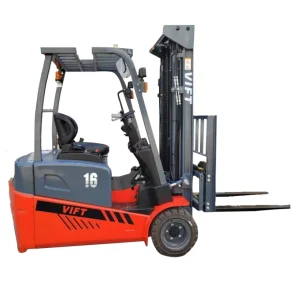
The global industrial logistics sector is undergoing a profound paradigm shift. Driven by rigorous government emission standard regulations (such as Euro Stage V and EPA Tier 4 Final) and strict corporate ESG frameworks, companies are actively replacing traditional internal combustion (IC) forklift fleets with clean, high-performance electric utility vehicles (EUVs) and electric heavy-duty material handling machinery. The transition is not merely environmental; it is a calculated response to the operational efficiencies offered by modern AC drivetrains, modular lithium-ion energy storage systems, and advanced power management interfaces.
Historically, heavy-duty applications in environments like construction yards, timber mills, and maritime ports relied exclusively on high-torque diesel and LPG internal combustion engines. However, improvements in permanent magnet synchronous motor (PMSM) technology and high-density Lithium Iron Phosphate (LiFePO4) battery packs have successfully closed the performance gap. Electric lifting systems now provide flat torque curves, instantaneous power delivery, and a significantly lower Total Cost of Ownership (TCO) compared to their fossil-fuel alternatives. Additionally, the elimination of oil changes, transmission repairs, and fuel filtration components directly translates into less machinery downtime and drastically reduced preventive maintenance schedules.
How digitalization, automated driving, and intelligent power paths are redefining industrial operations.
Active shift from traditional lead-acid batteries to high-density LiFePO4 cells, enabling opportunity charging, zero gas generation, and 3000+ deep discharge cycles.
Integrated CAN-bus microcontrollers stream motor diagnostic data, thermal stats, and state-of-charge metric data directly to warehouse execution clouds.
LiDAR-based slam positioning and safety sensors transform standard vehicles into intelligent automated guided vehicles (AGVs) for unmanned operations.
Adapting to specific operational profiles—from cold-chain storage to heavy industrial environments.
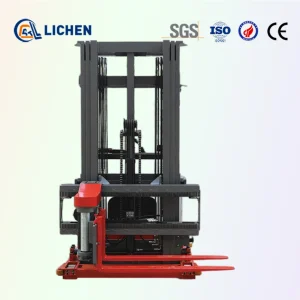
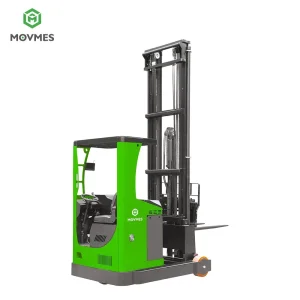
In regions where land costs are exceptionally high, logistics providers must optimize cubic volume using Very Narrow Aisle (VNA) configurations. Standard forklifts require 3.5 to 4.5-meter aisles to turn and load safely, which limits storage capacity. VNA turret trucks and three-way stackers work comfortably within 1.6 to 1.8-meter footprints, significantly increasing storage density. For cold chain environments down to -30°C, custom insulation and heating modules protect hydraulic manifolds and high-capacity lithium battery packs to prevent capacity drops caused by freezing temperatures.
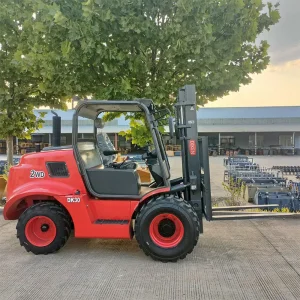
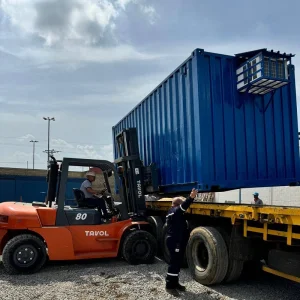
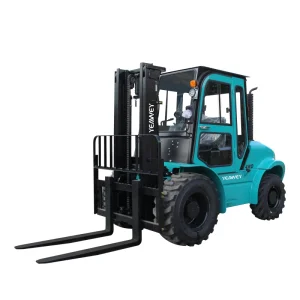
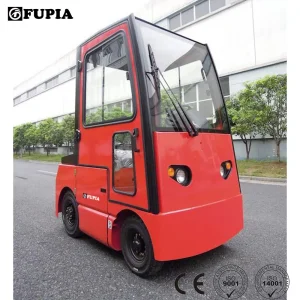
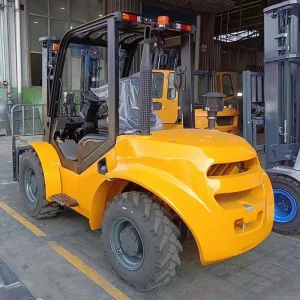
Open docks and heavy manufacturing yards demand robust materials handling equipment that can handle rough, uneven surfaces. Dual-wheel off-road diesel forklifts with 4WD, heavy-tread pneumatic tires, and elevated ground clearance remain crucial for shifting bulky cargo over unpaved surfaces. Meanwhile, inside the warehouse, clean and silent 15-ton electric tow tractors and high-capacity automated guided vehicles (AGVs) ensure seamless movement between manufacturing areas and shipping platforms.
"Modern electric drivetrains are no longer restricted to indoor warehouses. Robust waterproofing, high IP ratings, and dual-drive AC motors enable today's electric utility vehicles to perform reliably in heavy rain, dust-filled construction areas, and rough, uneven terrain."
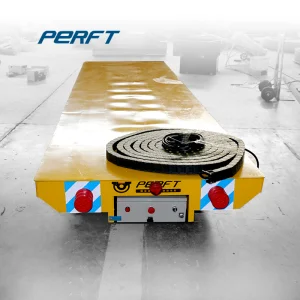
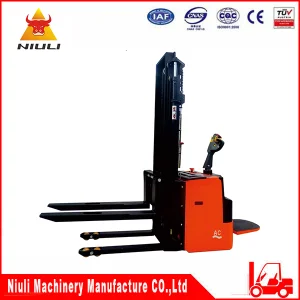
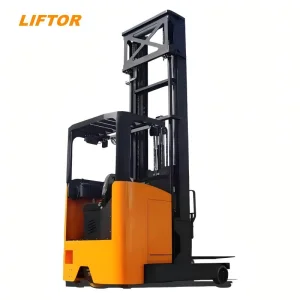
Industry leaders are integrating automated material handling directly into production workflows. Automated Guided Vehicles (AGVs) up to 200 tons perform heavy transport tasks without human drivers, guided by onboard safety systems and scheduling software. These systems coordinate with electric pallet jacks, reach trucks, and narrow-aisle stackers to create automated loops that lower operating costs while improving safety in high-risk zones.
Your Strategic Manufacturing Partner for Advanced Material Handling & Warehouse Solutions.
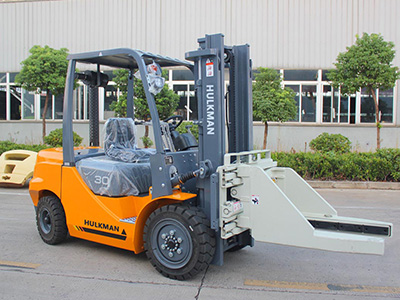
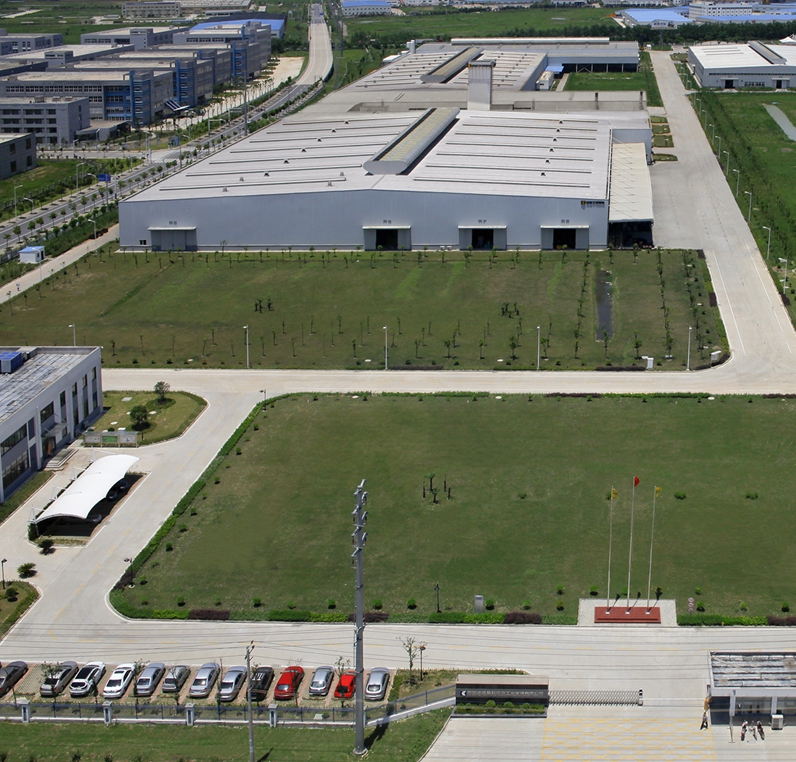
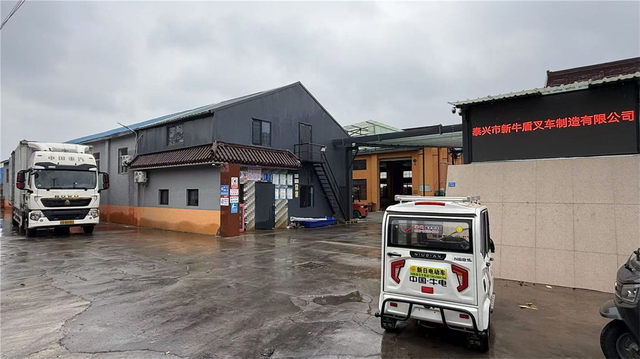
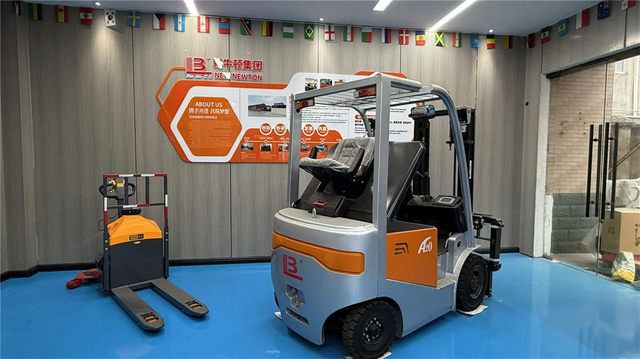
Qingdao Nauti Lift Co., Ltd. is a professional manufacturer specializing in electric and internal combustion forklifts, as well as comprehensive warehouse equipment and material handling solutions. Located in Qingdao, China, the company benefits from a strategic coastal position and a well-developed industrial supply chain, enabling efficient production and global distribution.
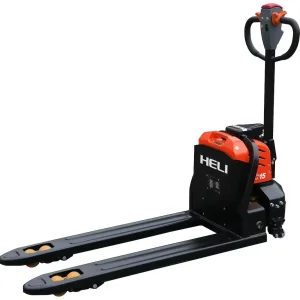
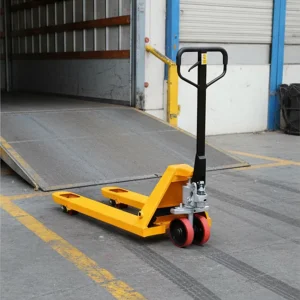
With a strong focus on innovation and reliability, Nauti Lift offers a wide range of products, including electric forklifts, diesel and LPG forklifts, warehouse stackers, pallet trucks, and customized material handling equipment. Our solutions are widely used in logistics centers, manufacturing plants, ports, and distribution warehouses, helping customers improve operational efficiency and reduce handling costs.
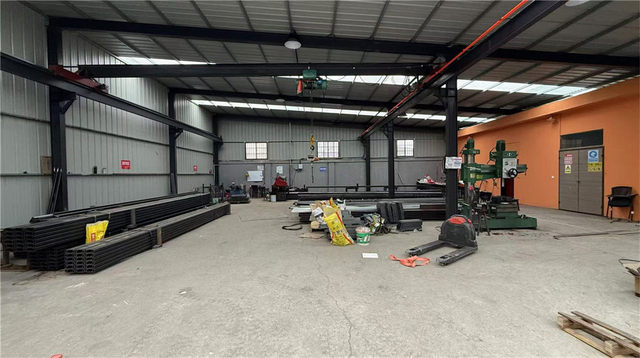
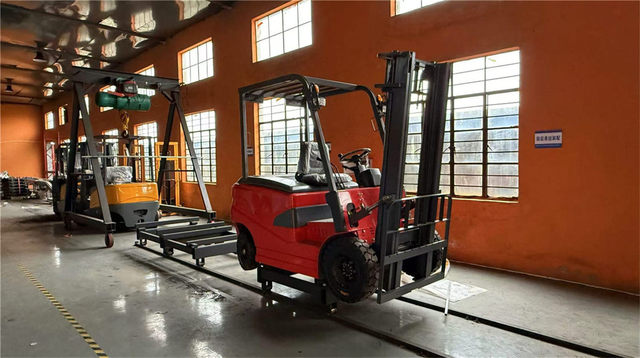
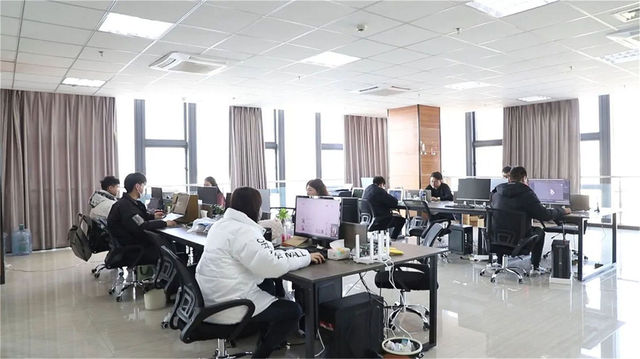
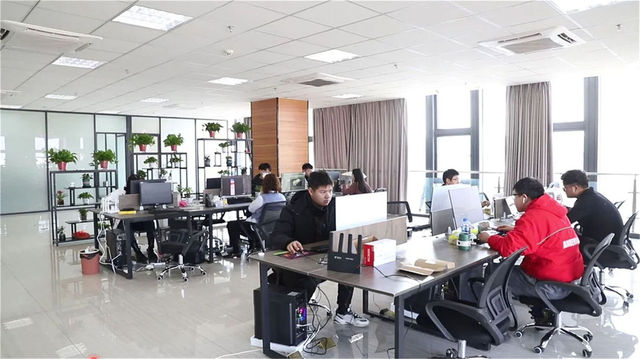
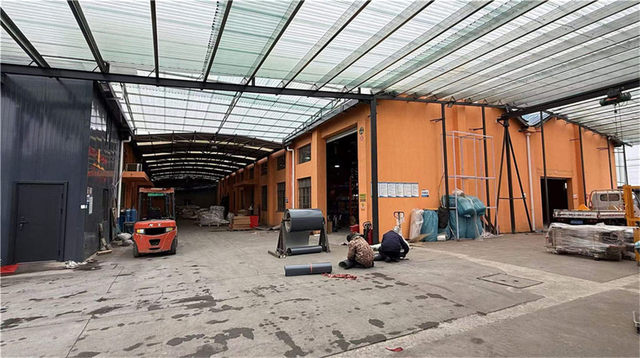
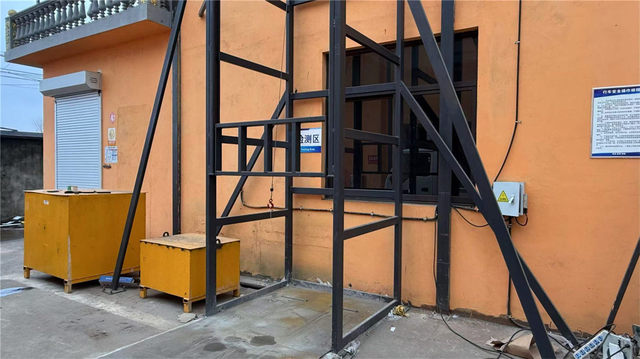
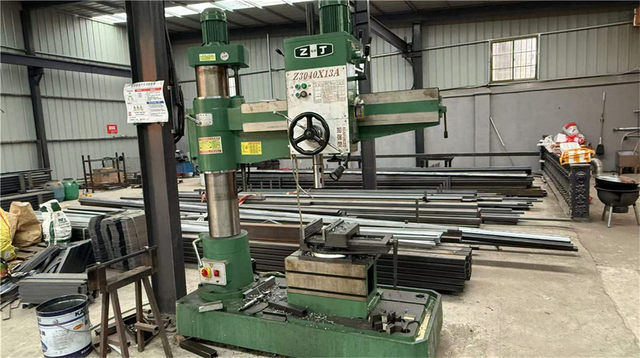
Equipped with modern manufacturing facilities and advanced assembly lines, we implement strict quality control systems to ensure durability, safety, and performance in every product. Our engineering team continuously works on optimizing energy efficiency, ergonomic design, and intelligent control systems to meet evolving market demands.
In addition to high-quality products, Qingdao Nauti Lift Co., Ltd. provides comprehensive OEM and ODM services, offering flexible customization to suit different applications and regional requirements. Guided by a customer-first philosophy, we are committed to delivering reliable material handling solutions and building long-term partnerships with clients worldwide.
Expert answers to the most common questions regarding warehouse fleet optimization and material handling technology.
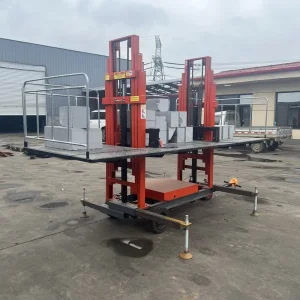
High-torque engine setups, multi-directional order pickers, and automated cargo transfer platforms built for industrial workloads.
 Nauti Lift