Nauti Lift
1 / 5
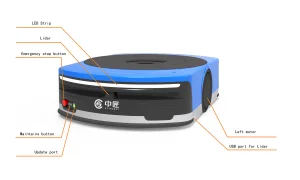
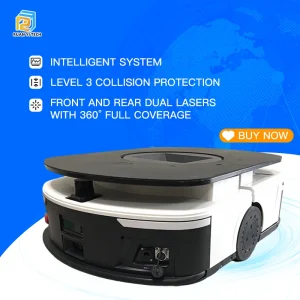
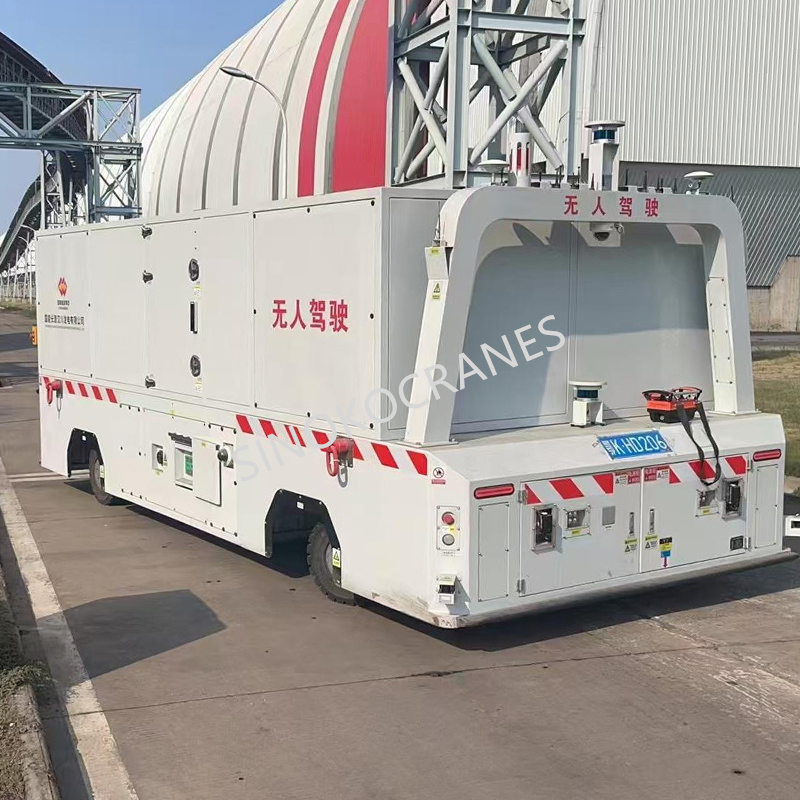
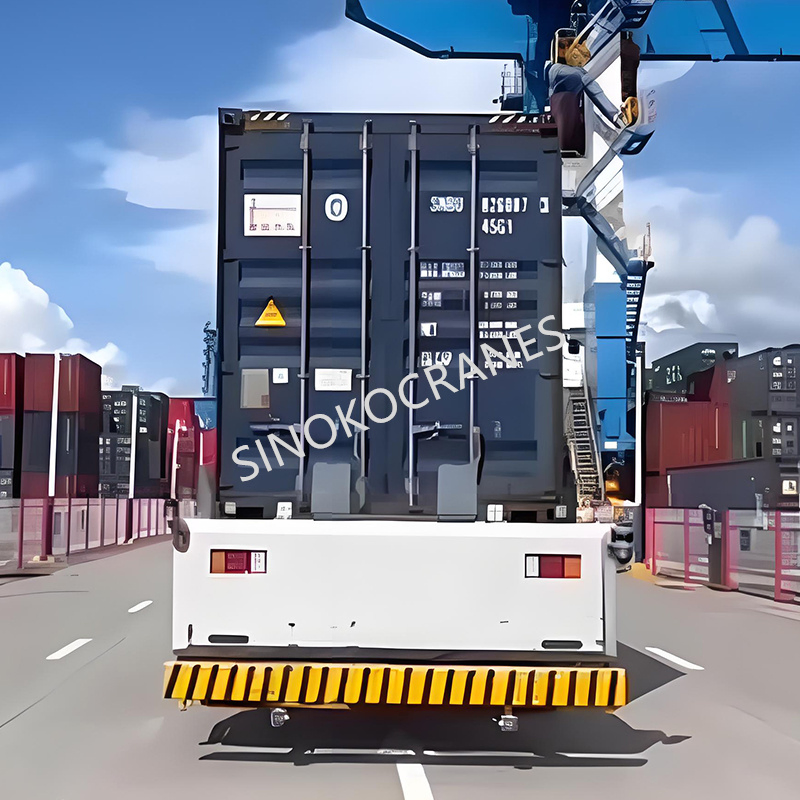
Collision Avoidance System, Emergency Stop Button, Obstacle Detection Sensors, Safety Laser Scanner, Long-Distance Obstacle Avoidance Detection.
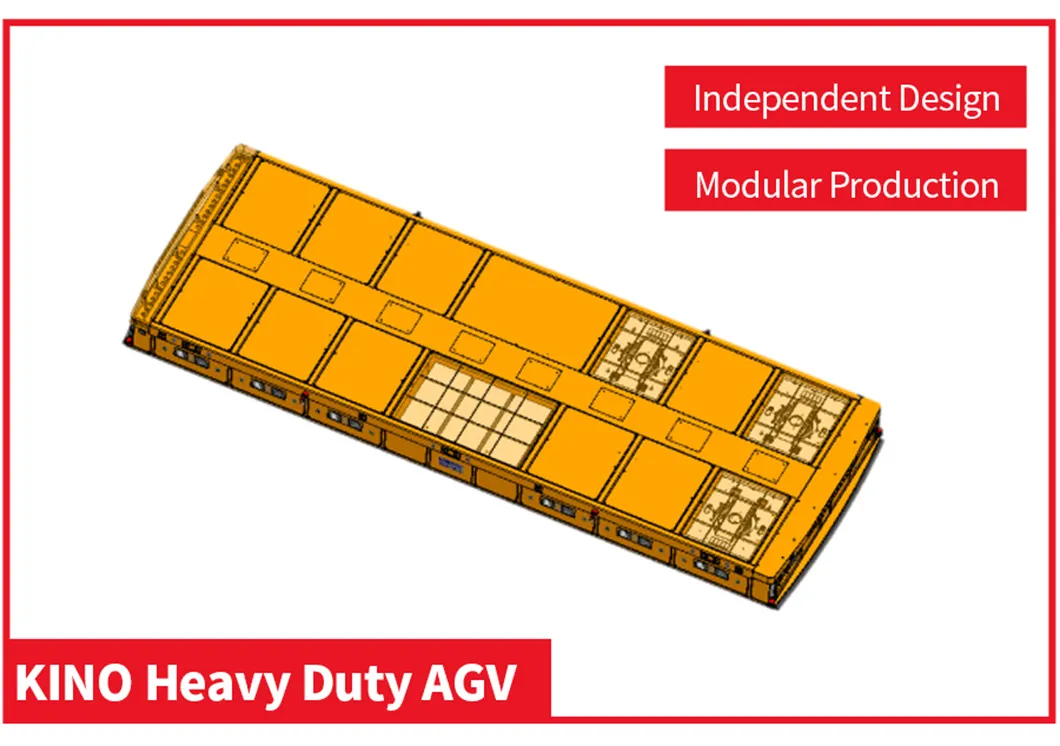
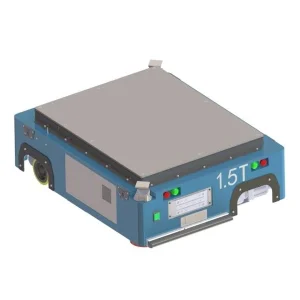
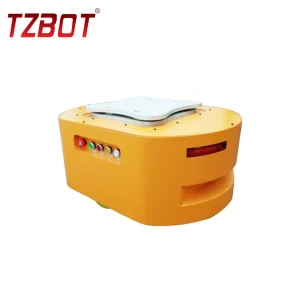
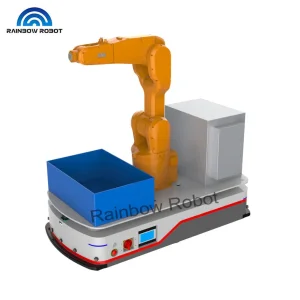
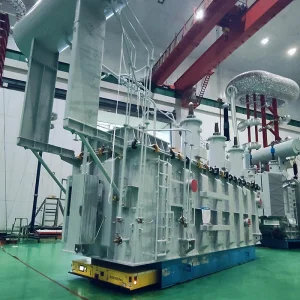
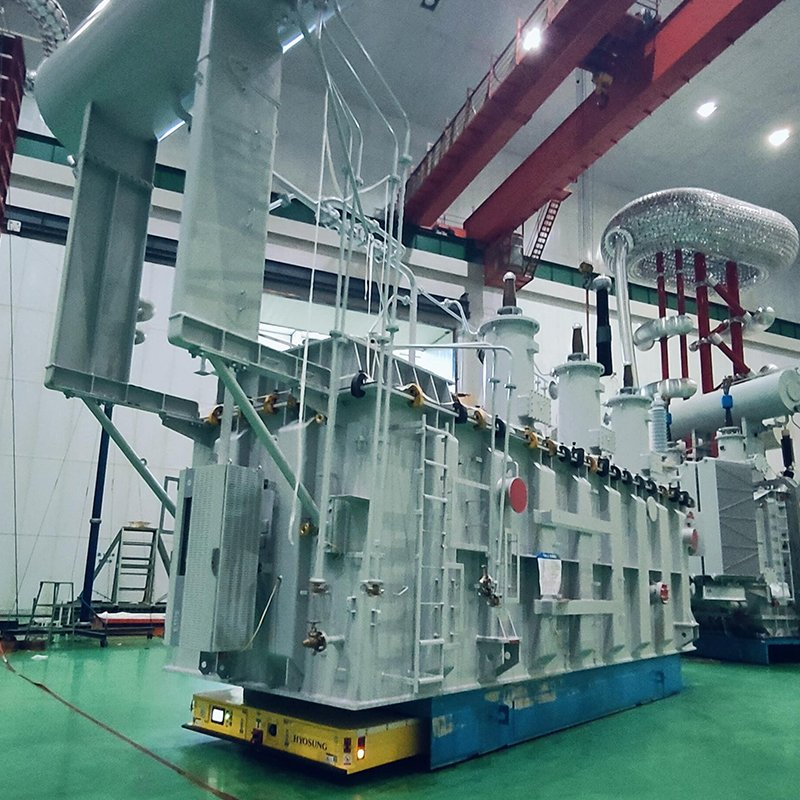
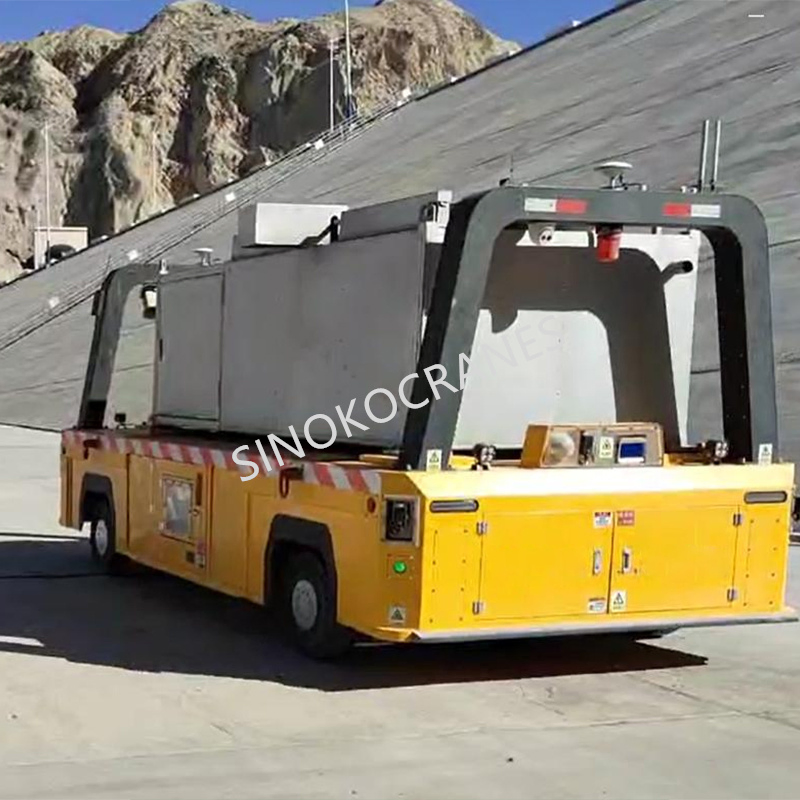
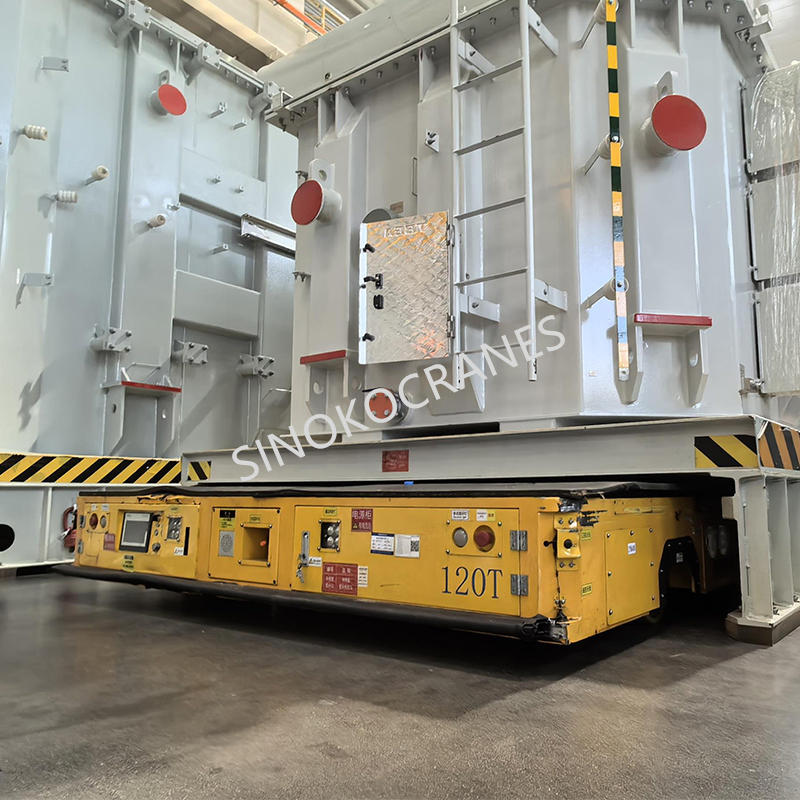
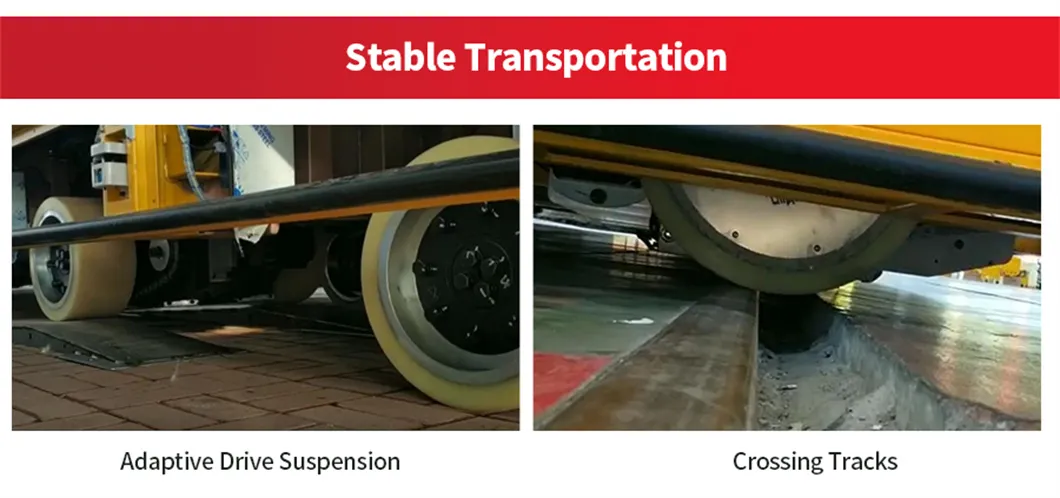
The Heavy Duty AGV Transfer Cart is a high-tech automated guided vehicle designed to move exceptionally big and heavy materials in fields like wind energy, aerospace, and the automobile industry. Its core features include automated lifting, hydraulic suspension, and collision prevention, ensuring safe and efficient operations even over rough terrain.
The AGV Control system integrates with MES systems via automatic/manual dual insurance scheduling. It enables real-time dynamic monitoring of vehicle positions on electronic maps, traffic control at intersections, and automated task feedback, significantly improving logistics automation.
Designed for frequent delivery needs, the AGV automatically moves to charging stations when energy levels drop. The electrodes dock automatically, removing the need for manual battery handling and ensuring 24/7 operational readiness.
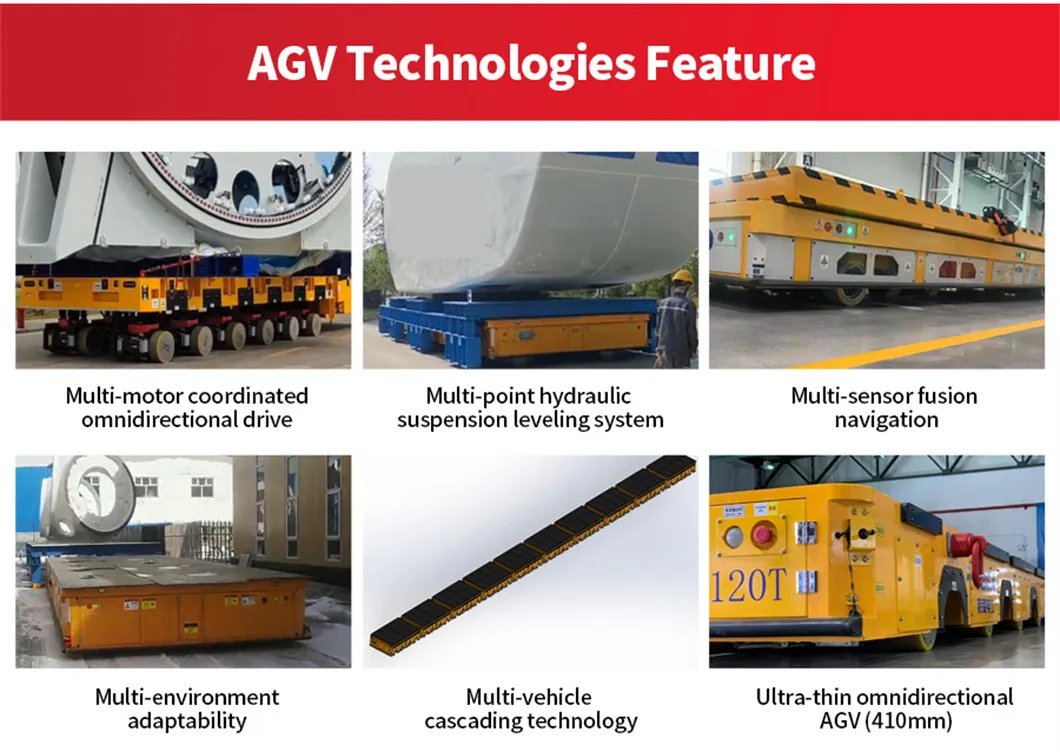
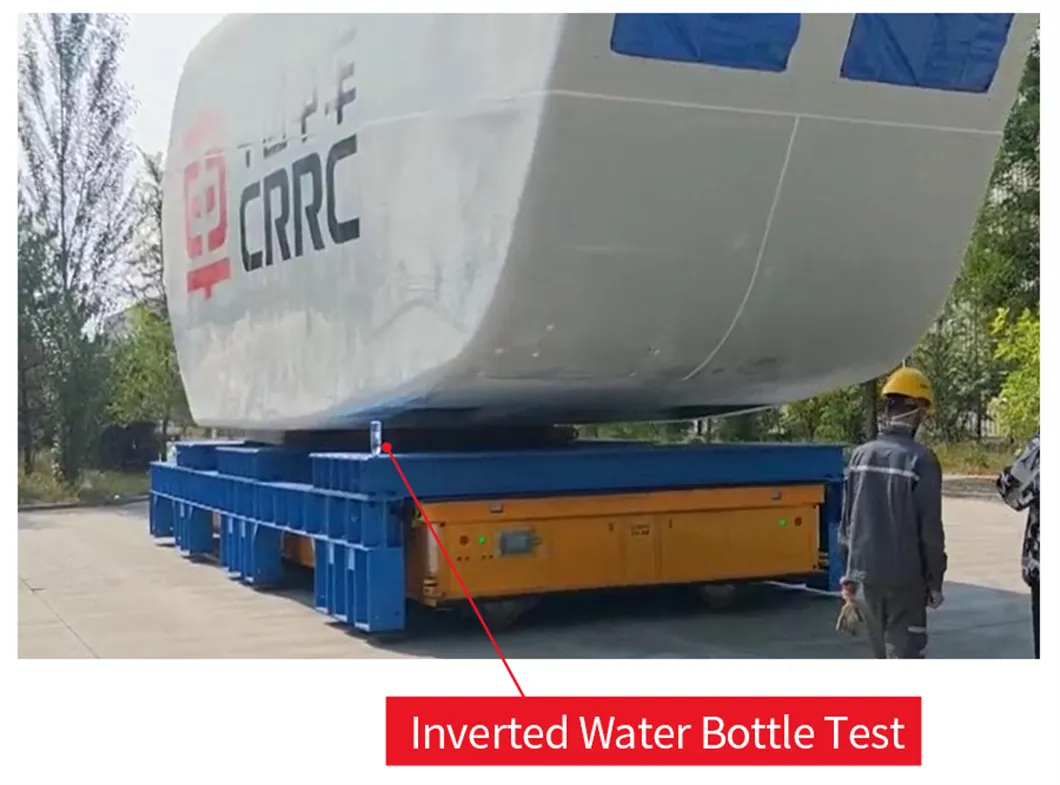
The system utilizes eight major technical architectures: servo control, wireless communication, synchronous hydraulic systems, power monitoring, safety protection, intelligent scheduling, and fault self-diagnosis.
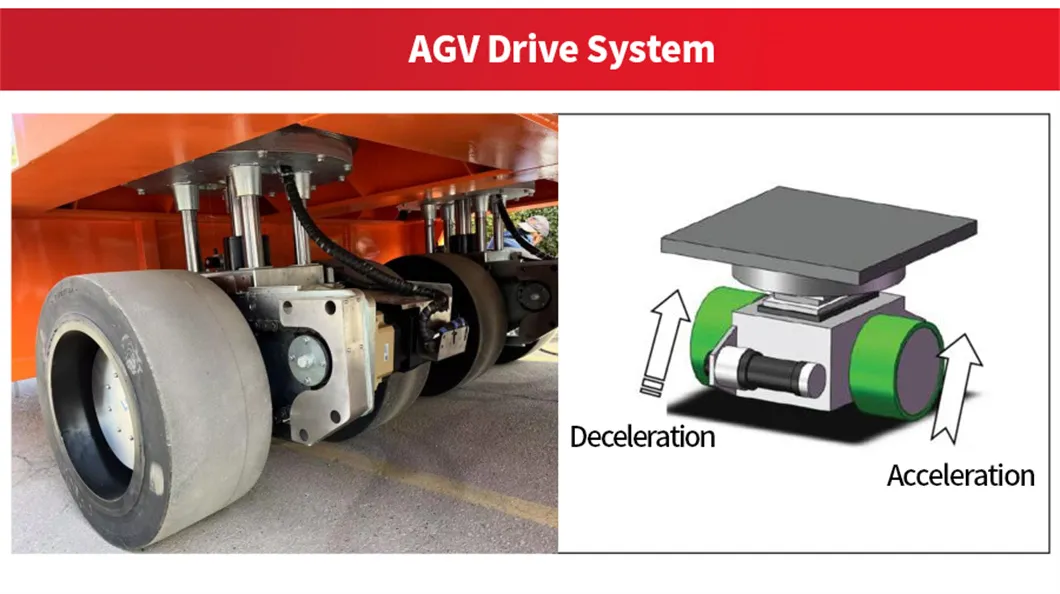
Enables 360° rotation and omnidirectional movement. Features a hydraulic/spring buffer damping system for terrain adaptability and a chain drive design to reduce wear and extend lifespan.
| Model | KNT-20 | KNT-40 | KNT-100 | KNT-200 | KNT-400 | KNT-600 |
|---|---|---|---|---|---|---|
| Rated Load (T) | 20 | 40 | 100 | 200 | 400 | 600 |
| Length (mm) | 2800 | 4700 | 5200 | 6300 | 8850 | 125000 |
| Lifting Mode | Hydraulic Lifting | |||||
| Self-Weight (T) | 3 | 5 | 6 | 9 | 16 | 26 |
| Battery Type | Lithium Iron Phosphate Battery | |||||
| Full Load Speed | 0-20m/min | |||||
| Precision (mm) | Walking: ±2mm / Lifting: ±1mm | |||||
| Motion | Forward, Diagonal, Lateral, Serpentine, Self-Rotation | |||||
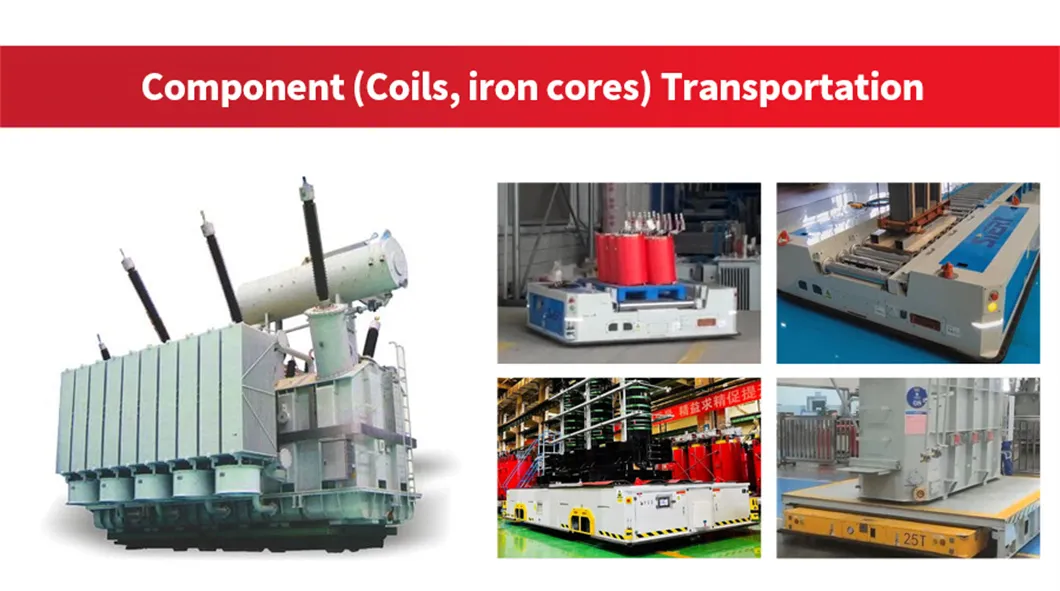
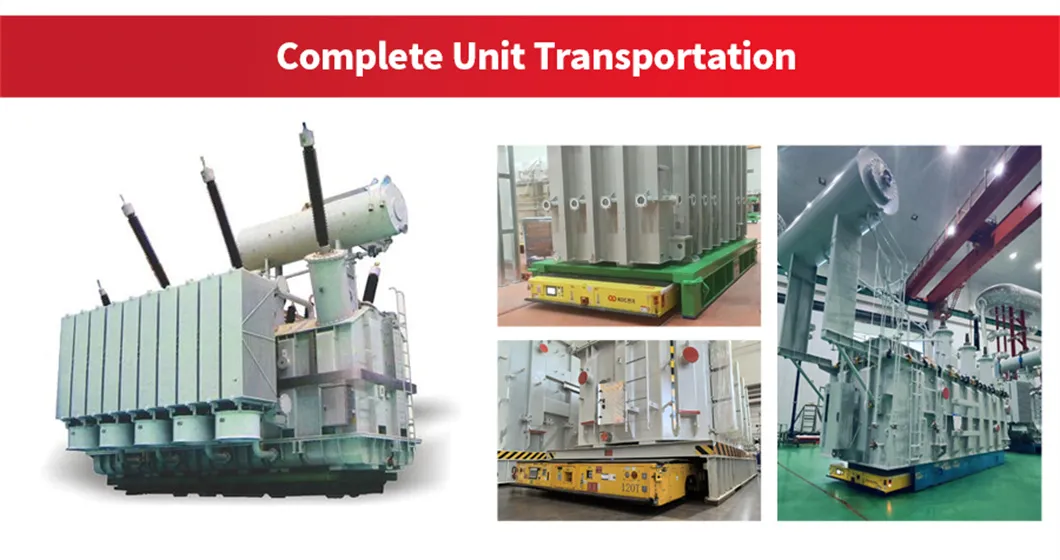
Heavy-duty AGVs are primarily utilized in warehousing, large-scale manufacturing, ports, and hazardous environments. They are essential for handling overweight or overlong materials, improving logistics efficiency, and reducing labor intensity.