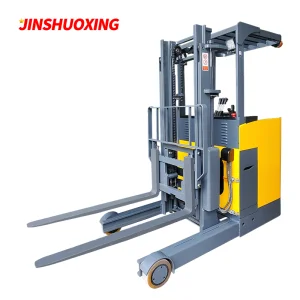
Precision engineered fork configurations and electric load handling systems designed for maximum stability, compliance, and workplace efficiency.
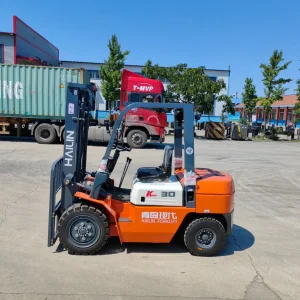
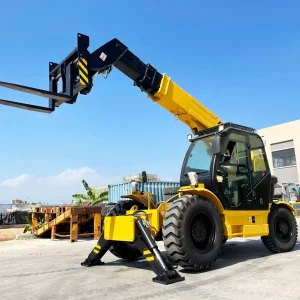
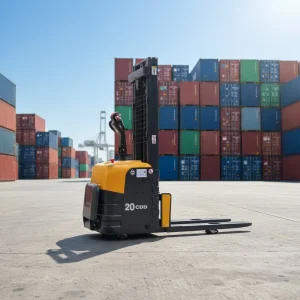
Qingdao Nauti Lift Co., Ltd. stands as a premier global authority specializing in electric and internal combustion forklifts, comprehensive warehouse logistics equipment, and specialized material handling systems. Based strategically in the high-capacity industrial zone of Qingdao, China, our infrastructure takes full advantage of an elite maritime logistics port and a robust national machinery supply chain. This configuration guarantees efficient production pipelines and rapid distribution capabilities to global markets.
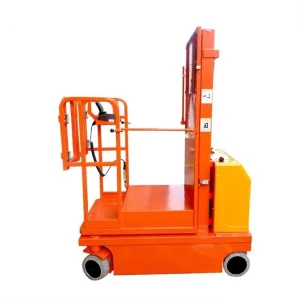
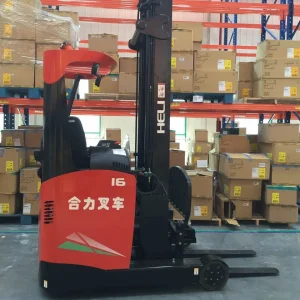
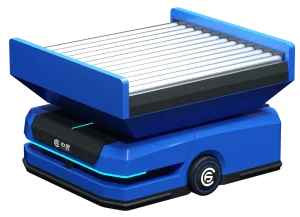
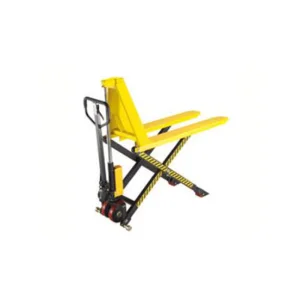
With an unwavering commitment to design safety, functional durability, and application flexibility, Nauti Lift engineers top-tier solutions that address challenging loading profiles. Our core product portfolio ranges from high-tonnage internal combustion diesel forklifts and eco-friendly electric reach trucks to fully automated guided vehicles (AGVs) and custom-engineered universal pallet forks. Through strict adherence to global safety standards, we empower material handling operations across ports, aerospace lines, distribution complexes, and heavy assembly facilities.
Pioneering next-generation metallurgical treatments and intelligent diagnostic sensor integrations.
We leverage high-grade 40Cr, 35CrMo, and 15B37 boron-manganese steels to maximize yield strength and prevent sudden deformation under heavy static and dynamic loads. The integration of precision chemistry enables extreme fatigue resistance for extended service lifetimes.
Every fork heel undergoes precise, computer-controlled induction hardening and overall tempering cycles. This molecular alignment process yields optimal hardness parameters (ranging from 280 to 320 BHN) to withstand impact shock forces in sub-zero working conditions.
Looking to the future, our engineering division is developing built-in telemetry arrays, including load cell sensors, tip-mounted cameras, and RFID chips. These systems provide real-time fork deflection metrics, overload warnings, and precision docking feeds to warehouse management software.
The industrial landscape is moving rapidly toward continuous, unmanned material processing. Traditional forks function primarily as passive mechanical components, but tomorrow's distribution centers demand intelligent integration. Our development roadmap centers on the integration of vision-guided spatial targeting directly onto the fork structure, enabling robotic forklifts to execute micro-adjustments during entry maneuvers into out-of-line pallets. By pairing this technology with low-friction wear coatings, we ensure that modern material handling configurations operates at peak velocity with negligible mechanical drag.
Engineered configurations customized for logistics, heavy manufacturing, cold-chain, and high-safety sectors.
Sub-zero refrigeration storage poses critical risks to steel structural integrity, as cold temperatures cause standard steels to become brittle. To counter this, Nauti Lift offers customized impact-tested forks that retain structural ductility down to -40°C.
In petrochemical, ammunition manufacturing, and grain processing environments, a single spark caused by fork friction can trigger a catastrophic explosion. Our safety-oriented product lines are engineered to meet strict ATEX/Ex-proof requirements.
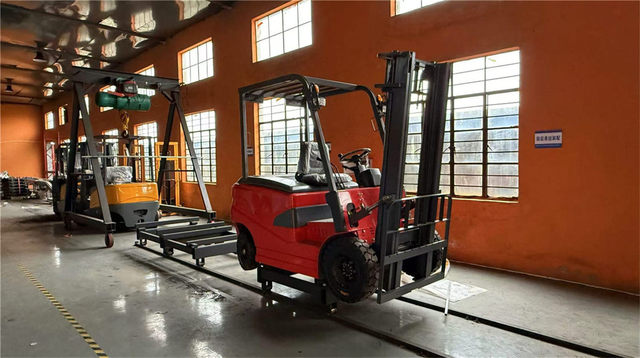
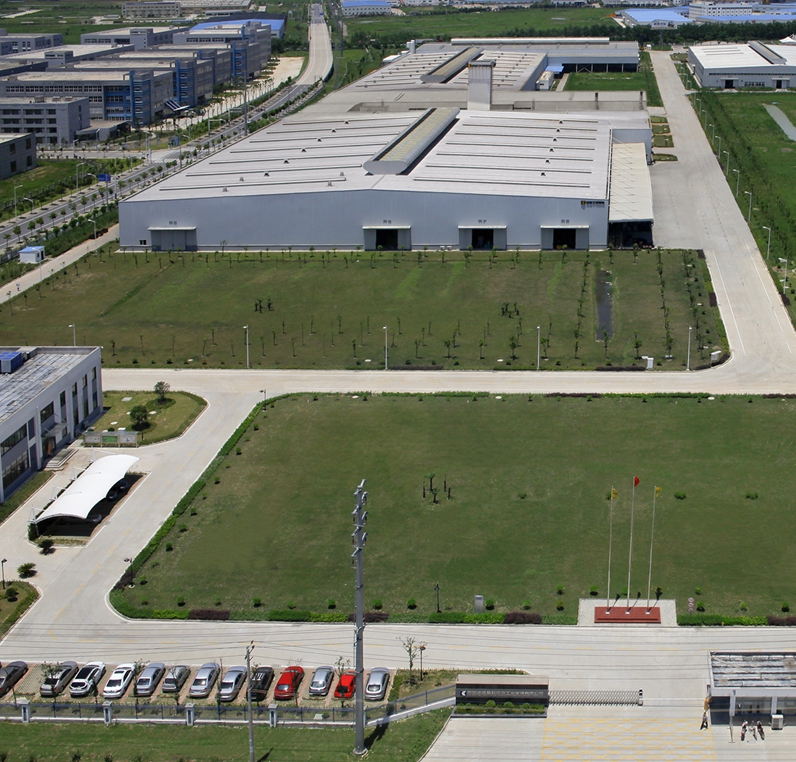
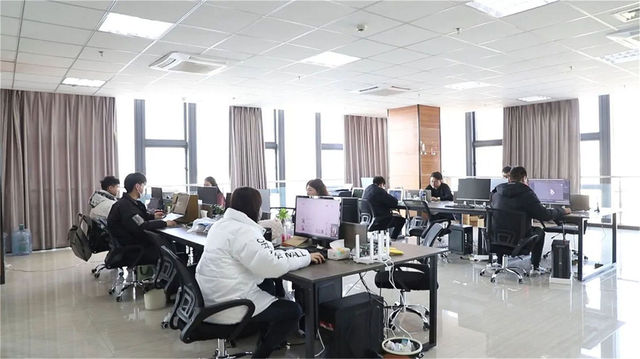
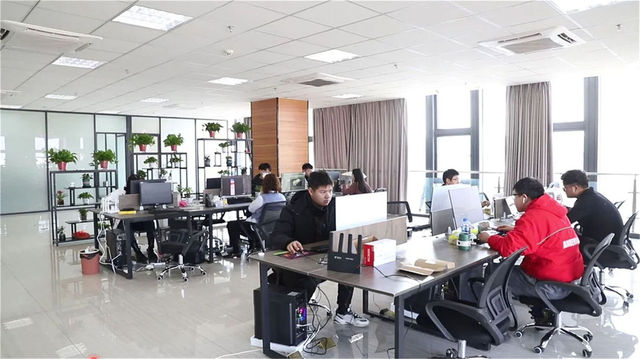
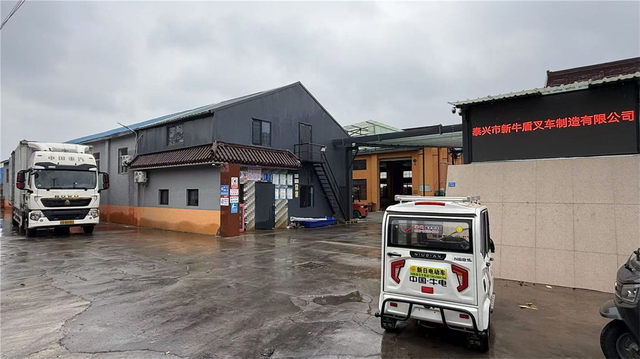
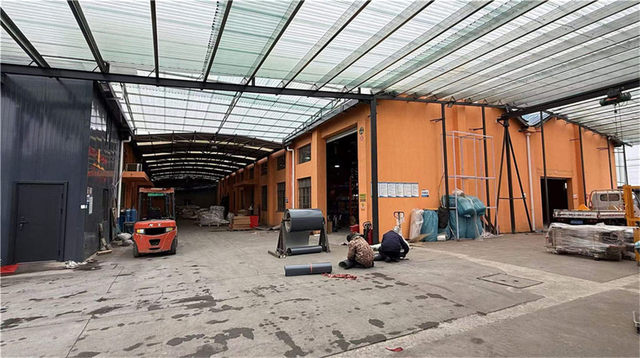
Operating from our highly integrated production facilities in Qingdao, we combine precision robotic automation with modern manufacturing processes (MES/ERP integrations) to deliver unmatched efficiency and quality assurance.
Our facility leverages automatic forging machines, robotic welding systems, and multi-axis CNC milling centers. By removing human error from critical heat-treatment and structural shaping phases, we ensure that every fork meets a consistent dimensional standard.
Our strategic proximity to the Port of Qingdao enables reliable shipping logistics. This close integration with raw material suppliers minimizes the risk of supply chain disruptions, allowing us to maintain stable lead times even during volatile global market conditions.
Achieved through our automated multi-stage inspection process.
Direct access to Qingdao Port enables cost-effective shipping.
How enterprise purchasing directors balance acquisition costs, custom configurations, and equipment lifespans.
Tailored length, width, thickness, suspension design, and load configurations.
Exceeding ISO requirements to minimize risk of deformation and sudden failure.
Optimized manufacturing processes reduce overall maintenance and downtime expenses.
Selecting the appropriate forklift mounting style is essential for operational safety and equipment compatibility. We manufacture attachment configurations matching ITA/ISO Classes II, III, and IV, alongside specialized pin/shaft systems. Ensuring a precise mechanical fit between the forklift carriage and the fork hooks minimizes wear on the components and prevents lateral shifting.
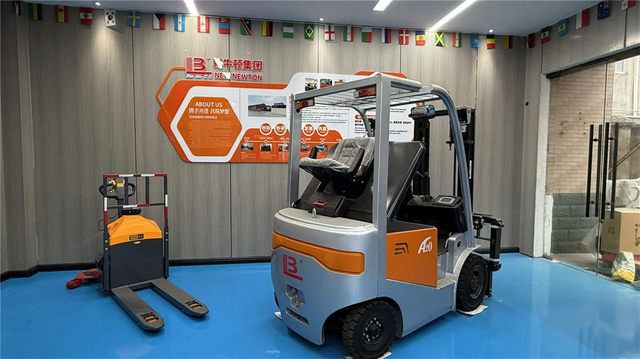
Evaluating fork attachments solely on initial purchase price can lead to higher costs over time. Inferior steels wear down faster, reducing blade thickness and load capacity, which can lead to early replacement and safety hazards. Investing in premium boron-alloy, heat-treated forks extends the operational lifespan, lowers maintenance requirements, and reduces risks of load damage or equipment downtime.
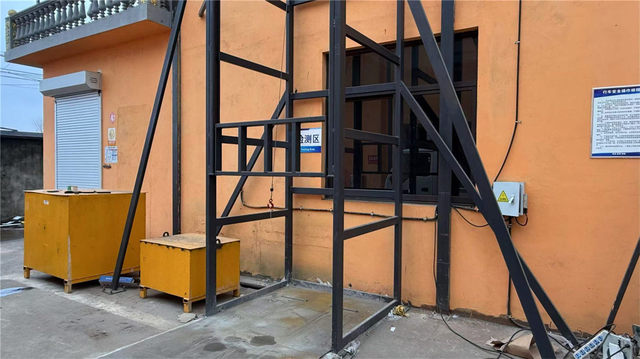
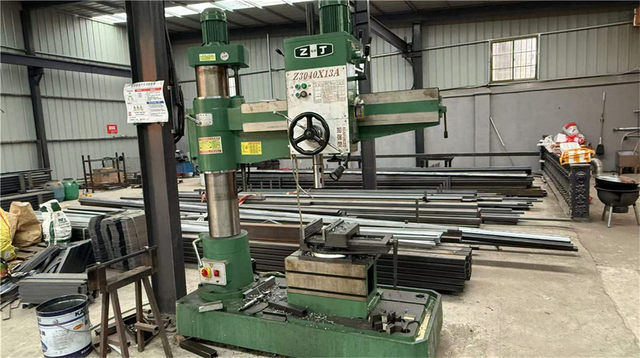
Exporting material handling products globally requires compliance with strict safety standards. Qingdao Nauti Lift Co., Ltd. ensures all attachments comply with regional material performance, trace-ability, and structural testing regulations.
Our forks are certified to meet ISO 2328 / ISO 2330 (fork arm dimensions and testing parameters), ANSI/ITSDF B56.11.4 (standard hook-type fork dimensions), and European CE Directives. We provide comprehensive materials certificates, heat-treatment profiles, and non-destructive test documentation with every shipment.
To support our international clients, we offer localized technical assistance and customer service. Through partners in North America, Europe, and the APAC region, we help resolve installation queries and handle spare parts replenishment quickly.
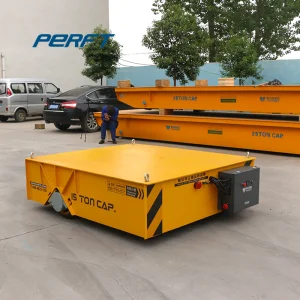
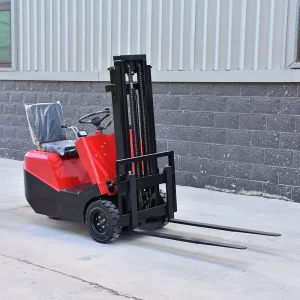
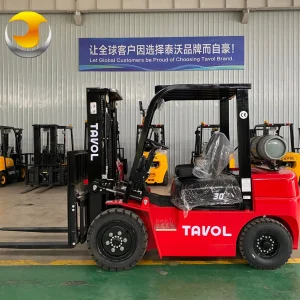
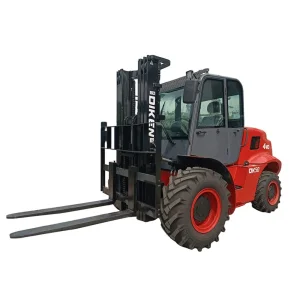
Complementary high-capacity lift trucks, stackers, and electric transport systems to optimize warehouse throughput.
Detailed engineering and structural specifications for universal pallet forks and material handling attachments.
 Nauti Lift