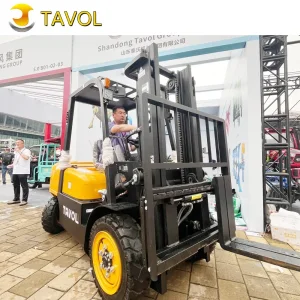
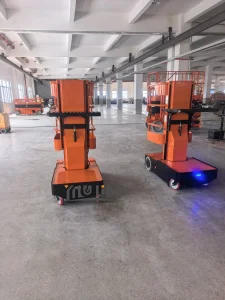
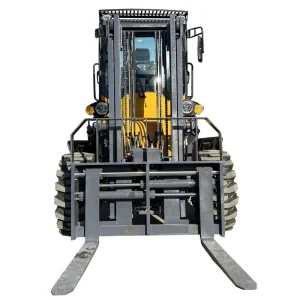
Industrial-grade remote control and electric forklifts engineered for performance.
In the contemporary industrial landscape, the demand for Custom OEM Remote Control Forklifts has surged, driven by the dual imperatives of operator safety and operational precision. Traditional manual operation, while reliable, faces challenges in hazardous environments, extreme temperatures, and high-intensity logistical hubs. The integration of "Remote Control" (RC) and "Tele-operation" technologies represents a paradigm shift from simple machinery to intelligent robotic systems.
Today’s global industrial status reveals a significant trend: the transition from fossil-fuel-dependent fleets to lithium-powered, remote-operable units. For suppliers and exporters, providing "Information Gain" means moving beyond basic specs to explain the how and why of these systems—specifically how they solve labor shortages and mitigate risks in toxic or radiologically sensitive zones.
Safety Efficiency Increase
Potential Runtime
Ultra-Low Latency Tech
Direct Risk to Operators
Traditional Radio Frequency (RF) control allows operators to control the forklift from a safe distance (up to 50m) while maintaining a direct line of sight. Ideal for loading/unloading in tight spaces.
Leveraging high-bandwidth 5G networks and 360-degree cameras, operators can control forklifts from a command center miles away, using VR headsets or multi-screen setups for total immersion.
The integration of LiDAR, SLAM (Simultaneous Localization and Mapping), and AI enables forklifts to handle routine tasks autonomously, with remote "human-in-the-loop" intervention for complex maneuvers.
The future of remote control forklifts lies in Predictive Maintenance and Swarm Intelligence. As an OEM supplier, we focus on modular hardware that can be upgraded with software over-the-air (OTA), ensuring that your investment in material handling equipment remains relevant for decades.
Qingdao Nauti Lift Co., Ltd. stands at the heart of China’s most resilient manufacturing corridor. Our advantage lies in the Industrial Synergy of the Qingdao port region—combining world-class steel fabrication, advanced electronics clusters, and highly efficient shipping logistics.
Unlike traditional manufacturers, our OEM/ODM approach leverages a highly responsive supply chain that can pivot from standard lead-acid stackers to specialized lithium-ion remote control units in weeks, not months. This resilience ensures that global exporters can maintain inventory levels even during volatile market shifts.
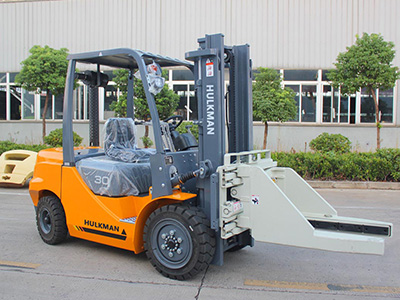
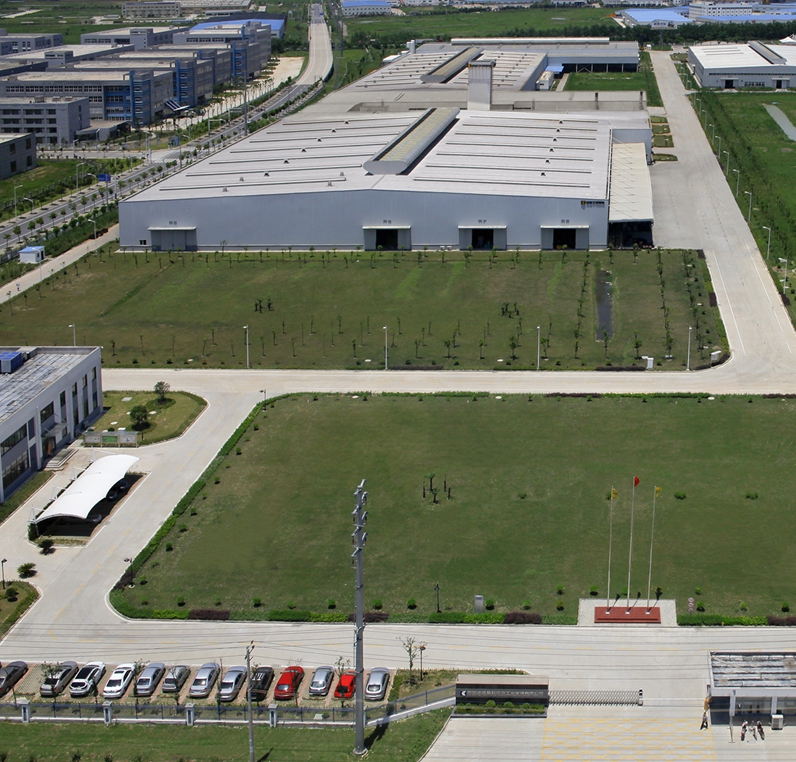
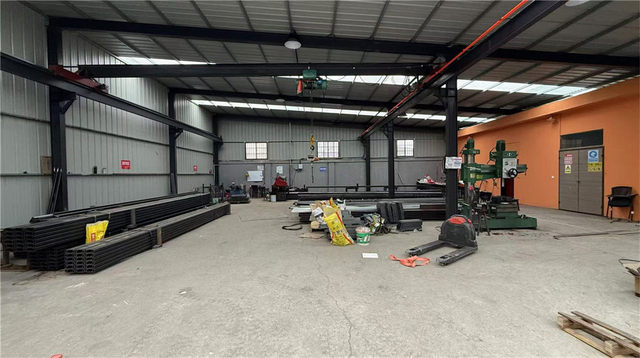
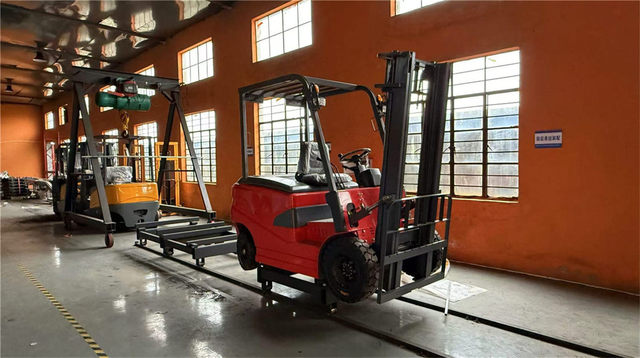
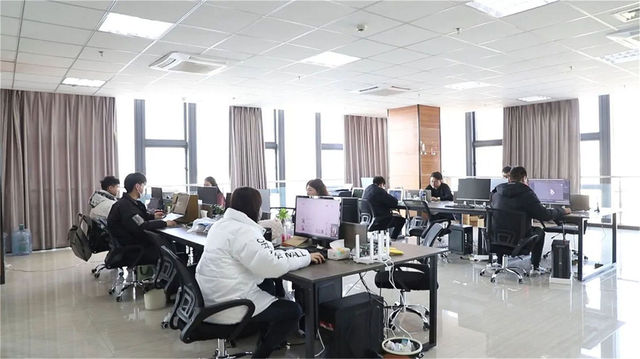
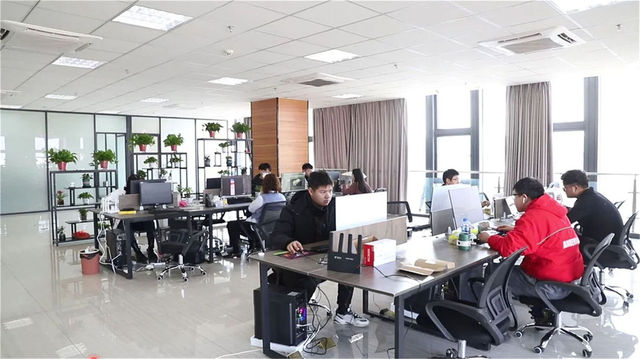
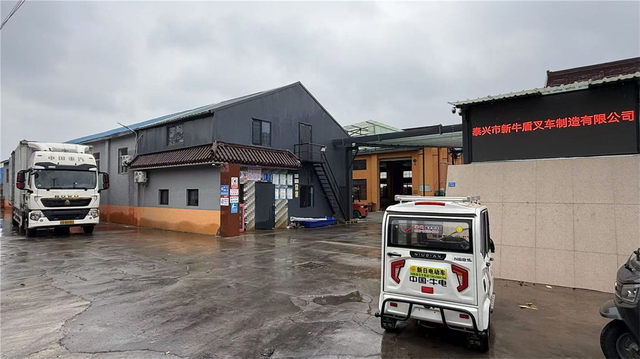
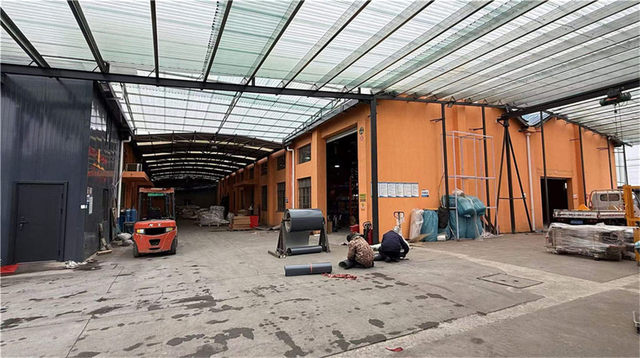
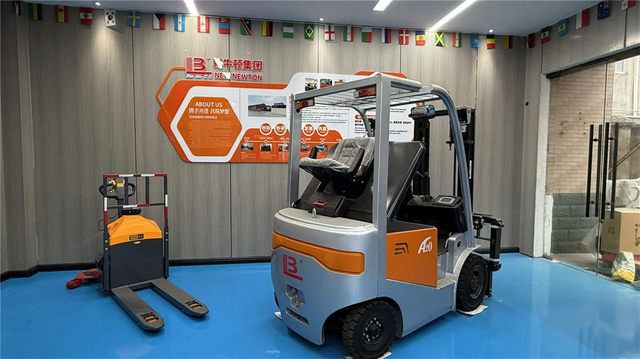
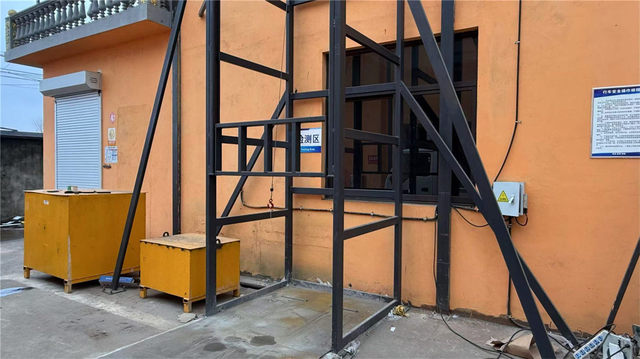
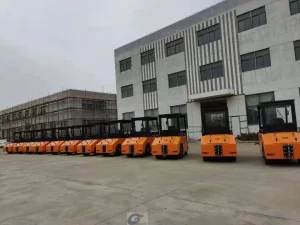
Equipped with modern manufacturing facilities and advanced assembly lines, we implement strict quality control systems to ensure durability, safety, and performance in every product. Our engineering team continuously works on optimizing energy efficiency, ergonomic design, and intelligent control systems to meet evolving market demands.
Operators stay in warm office environments while the remote forklift handles goods in -30°C conditions, increasing worker comfort and reducing forklift downtime caused by extreme cold exposure to human staff.
In environments where gas leaks or toxic dust are present, remote control allows for precise material handling without risking human health, complying with stringent OSHA and EU safety standards.
Dealing with high heat or molten splash zones? Remote control forklifts provide the necessary distance for operators while maintaining the 3.5t - 10t lifting capacity required for heavy components.
Entering international markets requires more than just high-quality hardware. It requires adherence to CE (Conformité Européenne), ISO 9001, and ANSI/ITSDF standards. Our role as a senior OEM partner involves ensuring that every remote control system features "Emergency Stop" redundancies, signal loss fail-safes, and data encryption to prevent unauthorized access.
Furthermore, we provide localized support through:
Standard RF models operate within 50-100 meters. However, our advanced 5G/Wi-Fi Mesh models allow for "Tele-operation" from across the world, provided there is a stable internet connection with latency below 50ms.
Yes, as an OEM specialist, we offer retrofit kits for hydraulic and electric systems. This allows companies to upgrade their current Heli, Doosan, or Clark fleets with modern remote capabilities.
We use military-grade AES-256 bit encryption and frequency-hopping spread spectrum (FHSS) technology to ensure that the control signal cannot be intercepted or jammed by other equipment in the warehouse.
Typically, our XE-Series Lithium forklifts provide 8-10 hours of continuous operation with "Opportunity Charging" capabilities, allowing a 20% to 80% charge in just 1.5 hours.
While intuitive, we recommend a specialized "Remote Pilot" certification which focuses on depth perception through cameras and understanding the lag-compensation mechanisms in high-speed operations.
Comprehensive warehouse equipment from high-lift pallet trucks to intelligent AGVs.
 Nauti Lift