Nauti Lift
1 / 5
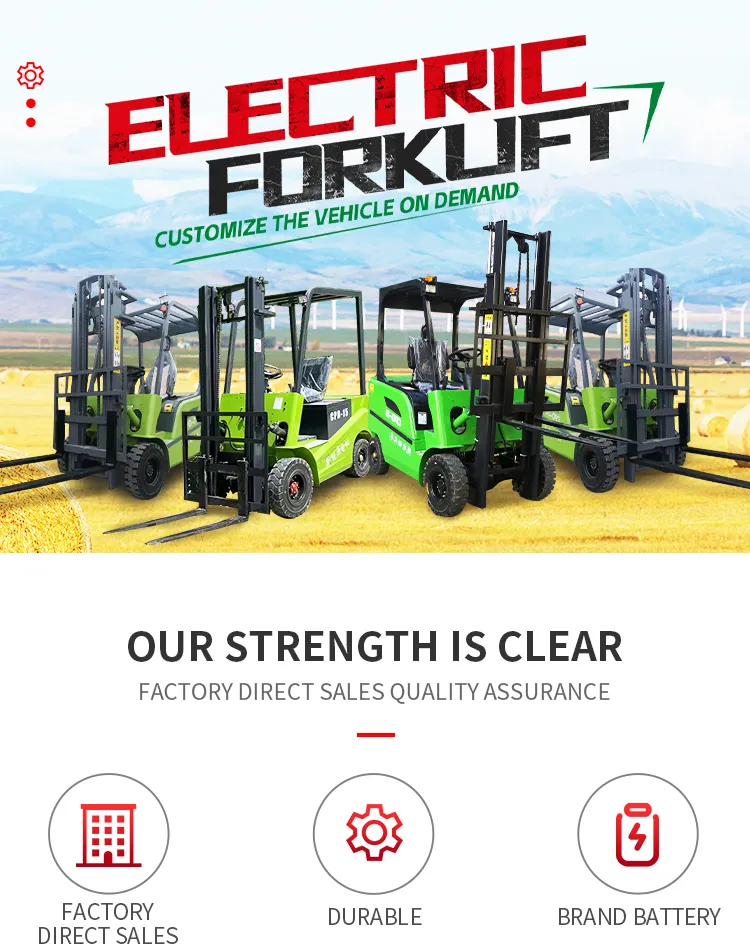
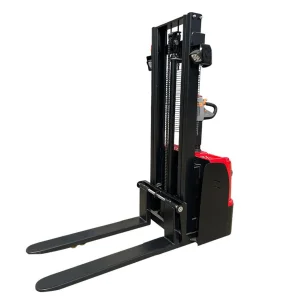
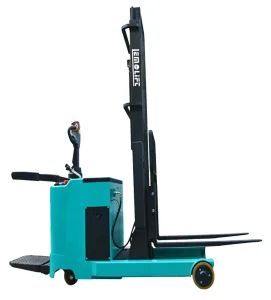
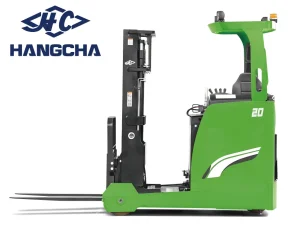
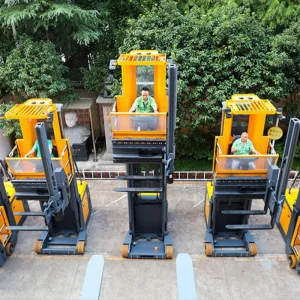
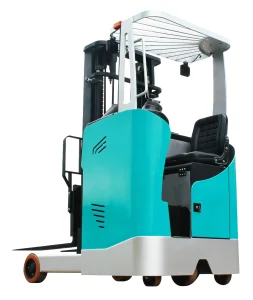
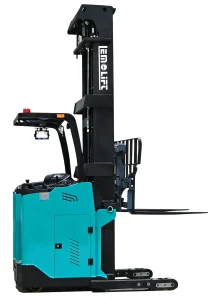
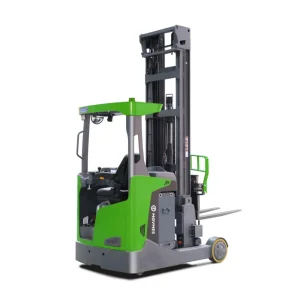
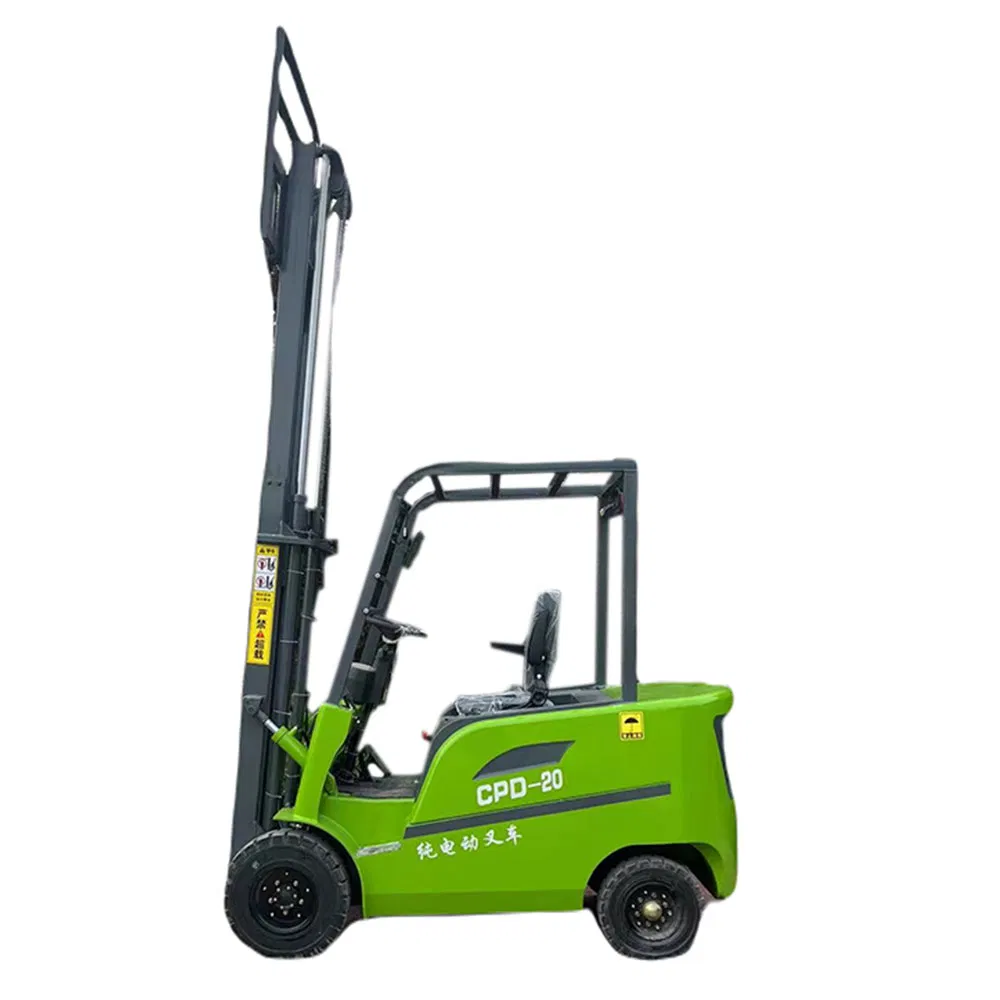
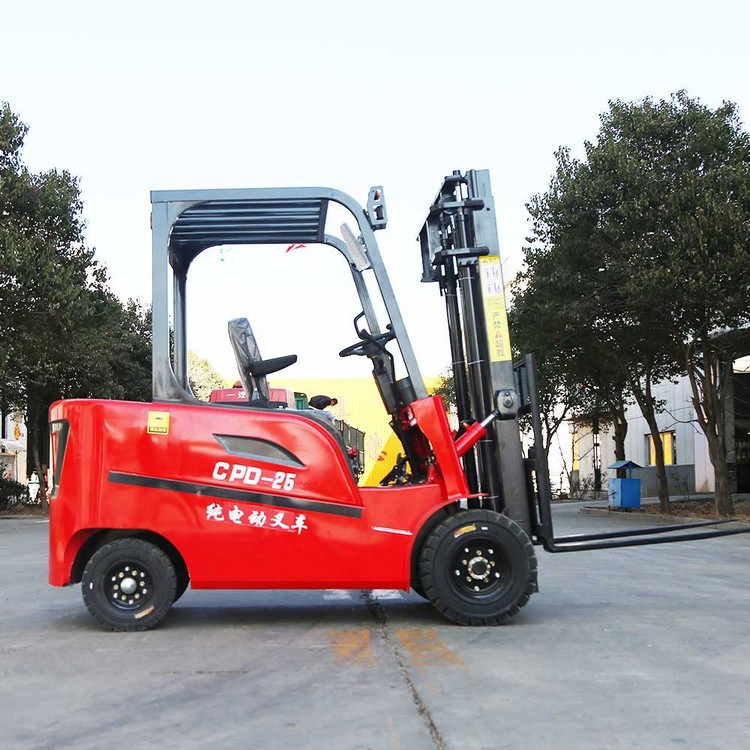
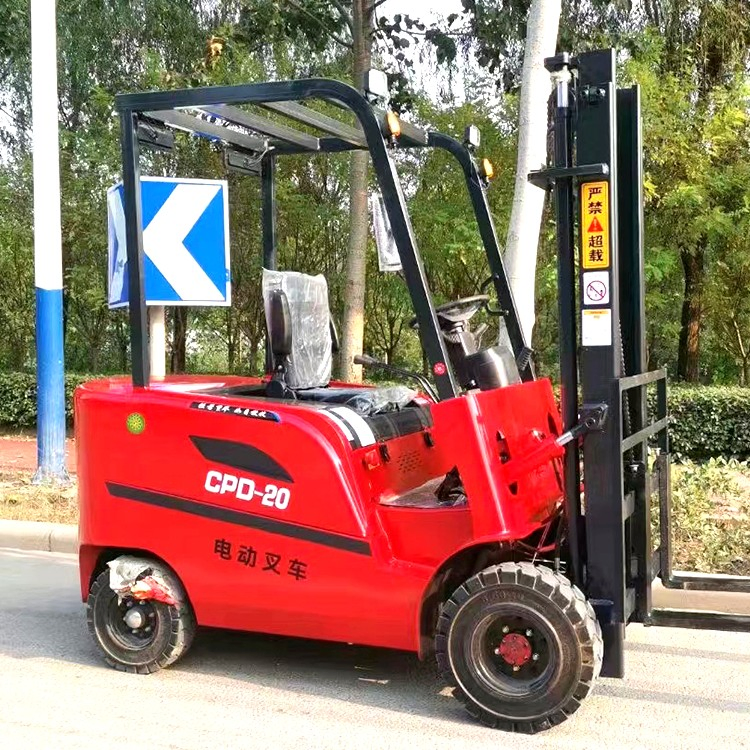
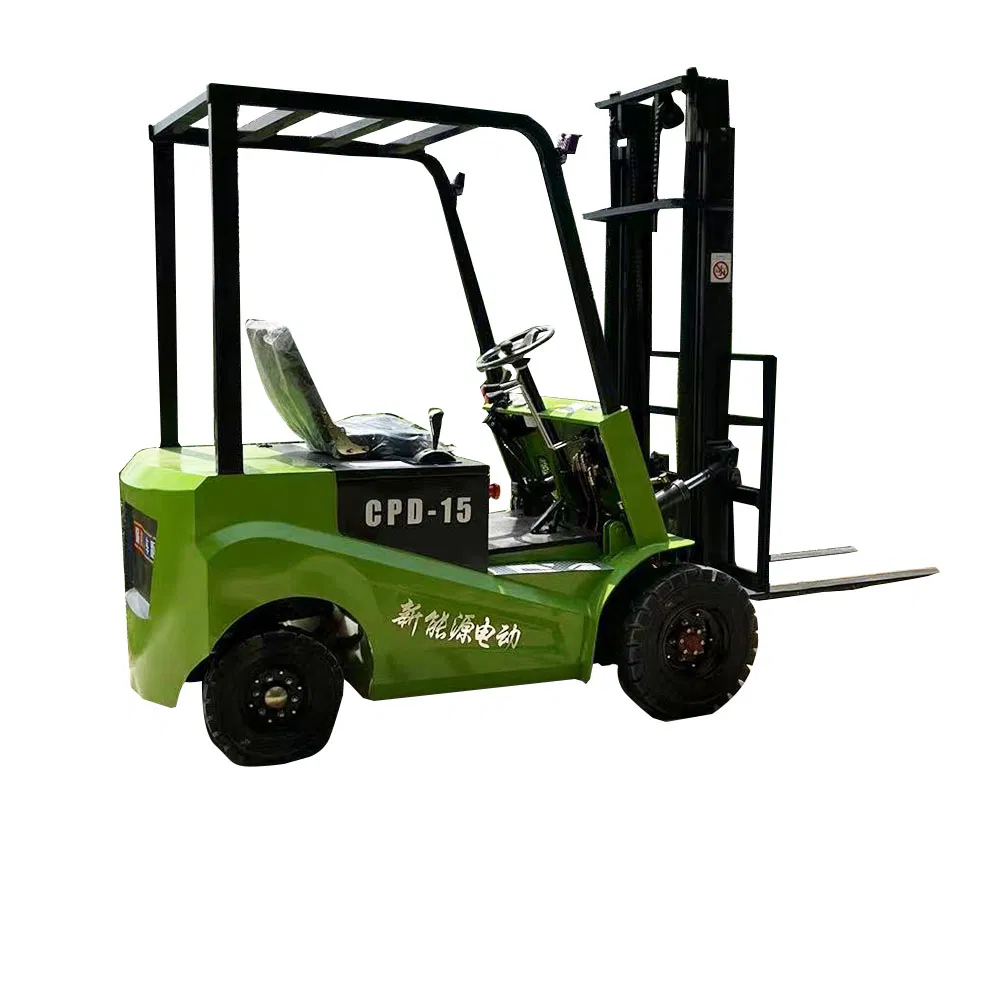
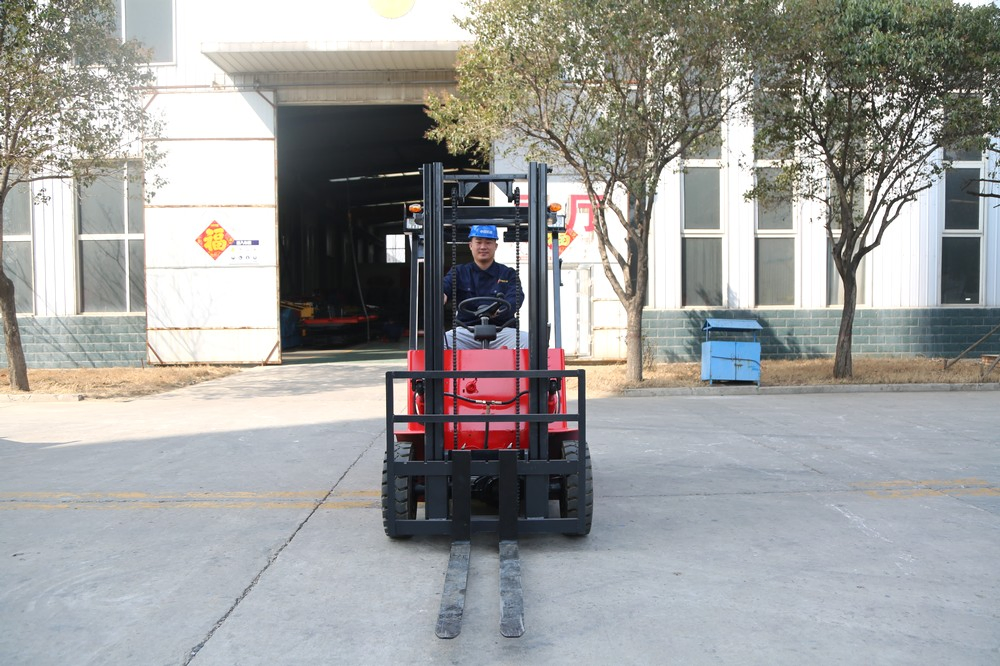
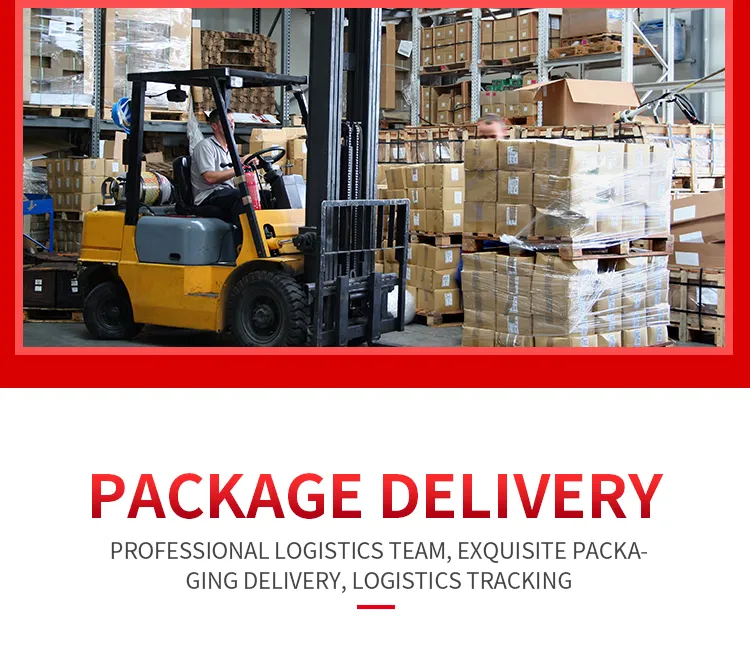
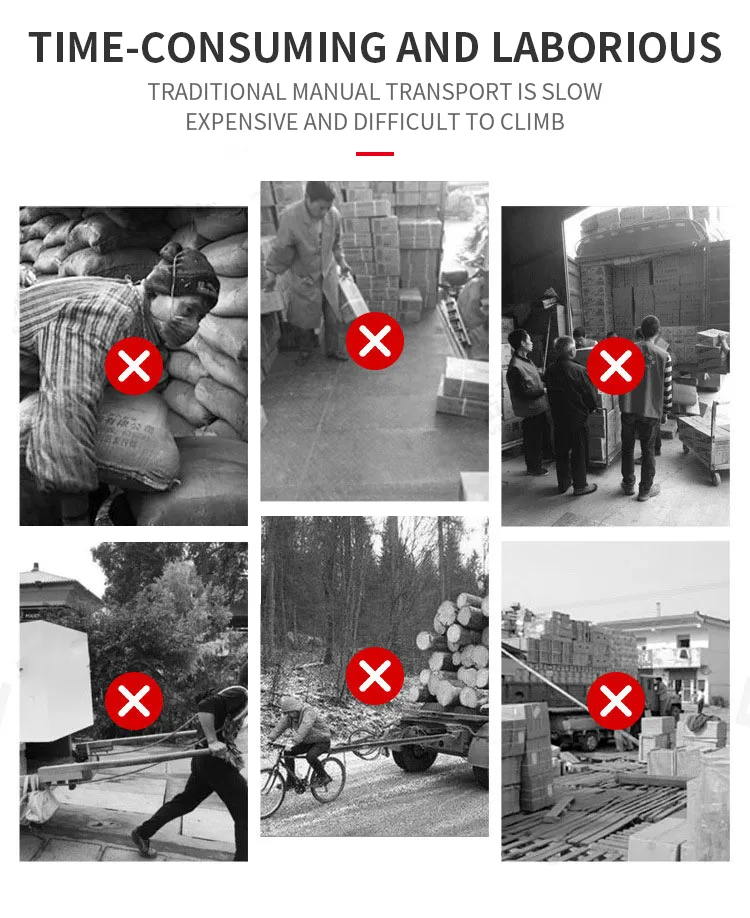
Forklifts are designed for specific tasks and load capacities, with a wide range of models available to suit various industries and applications. They are commonly used for tasks such as:
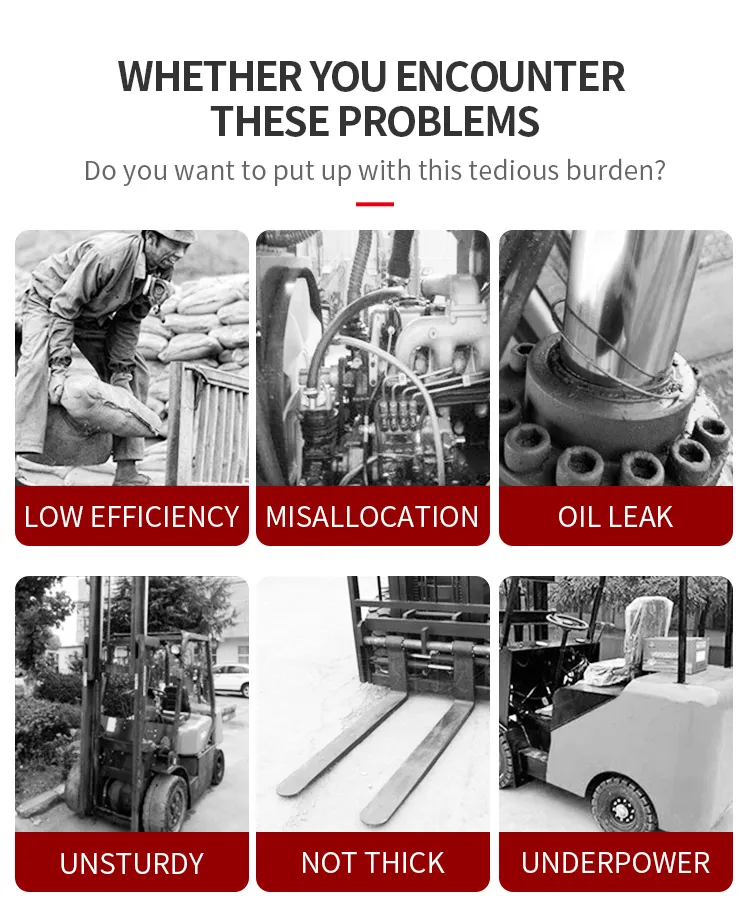
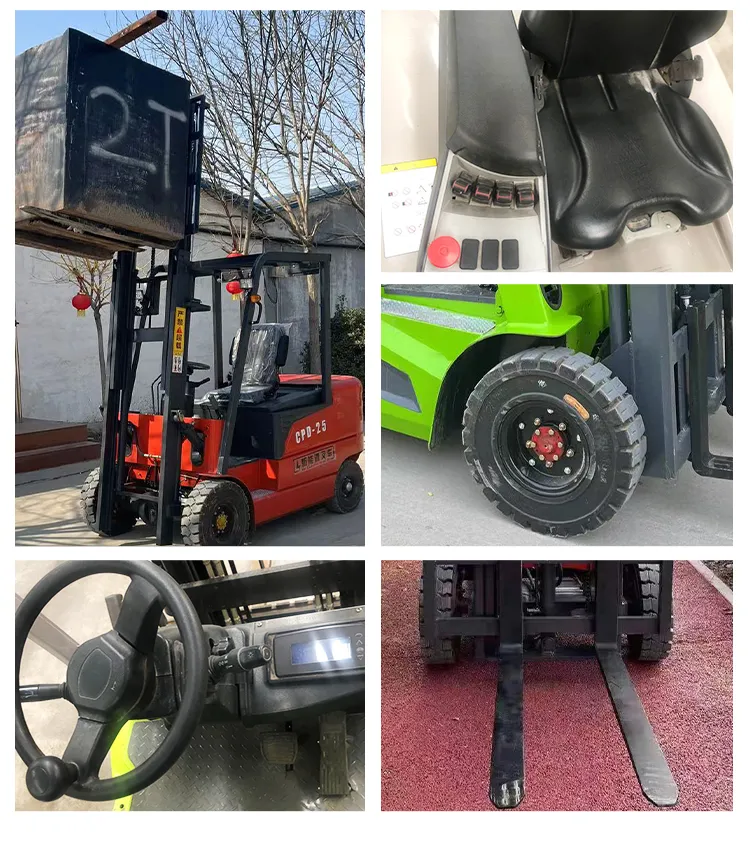
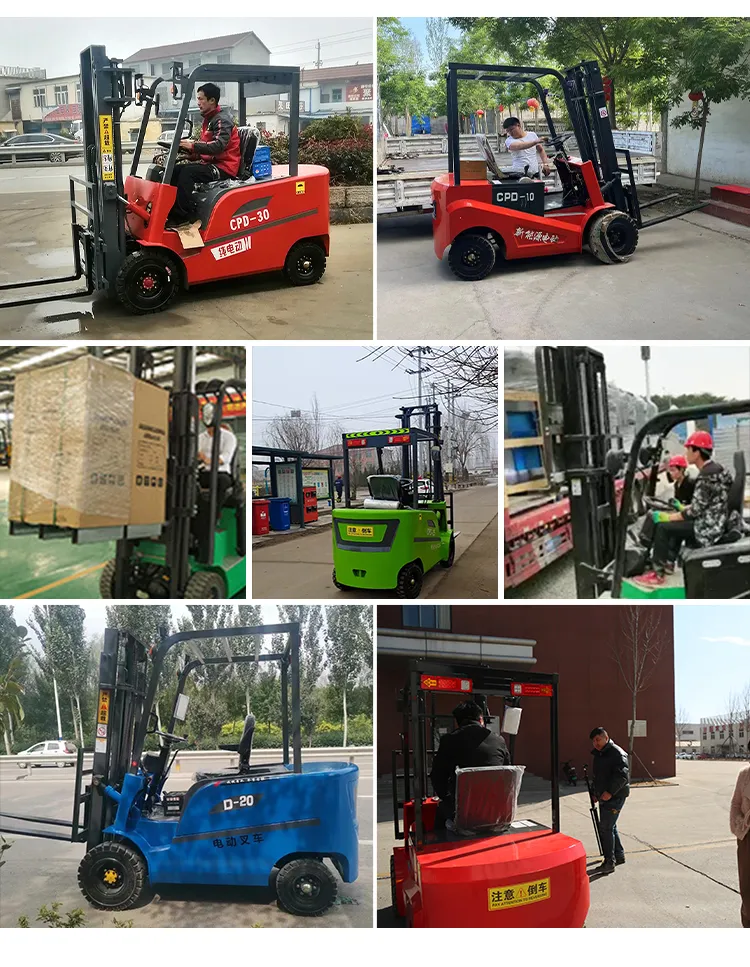
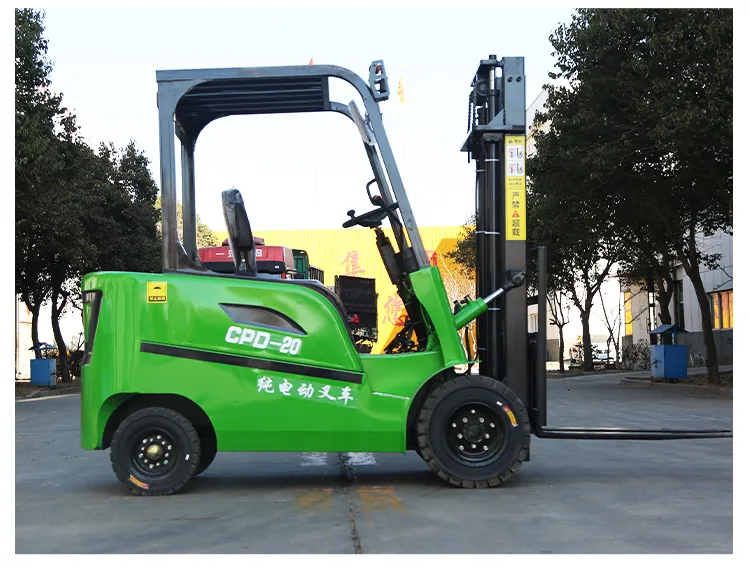
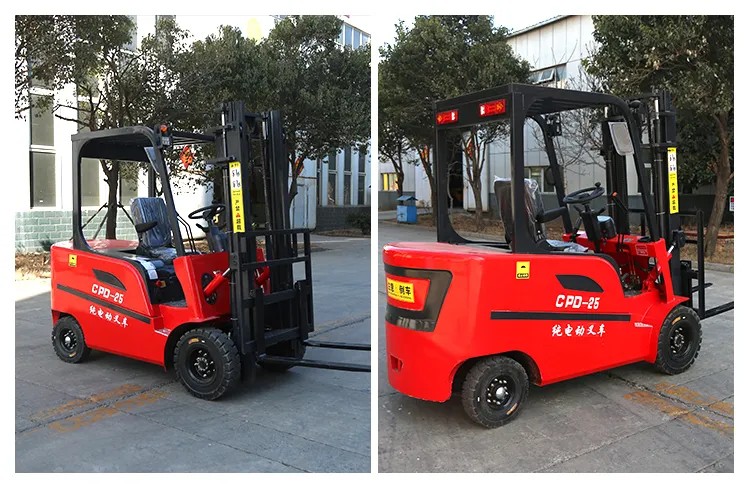
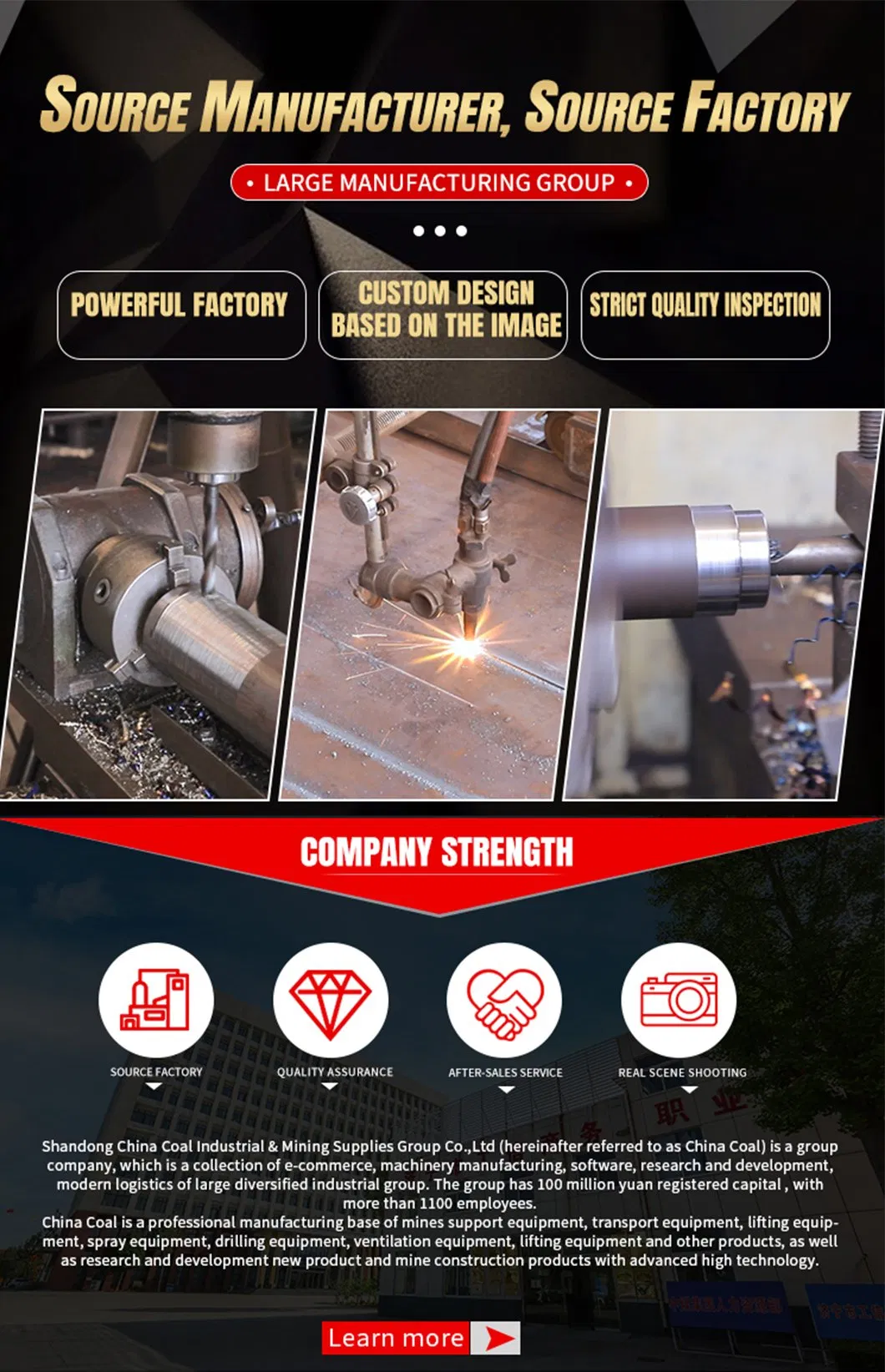
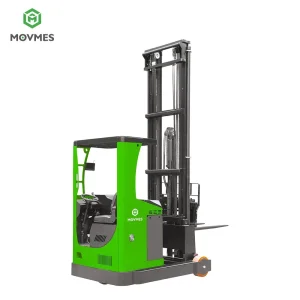
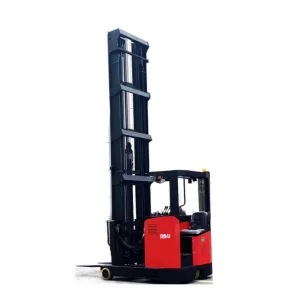
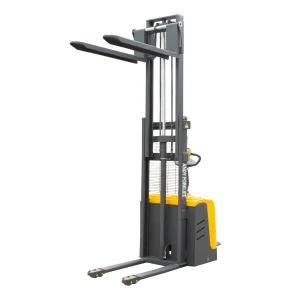
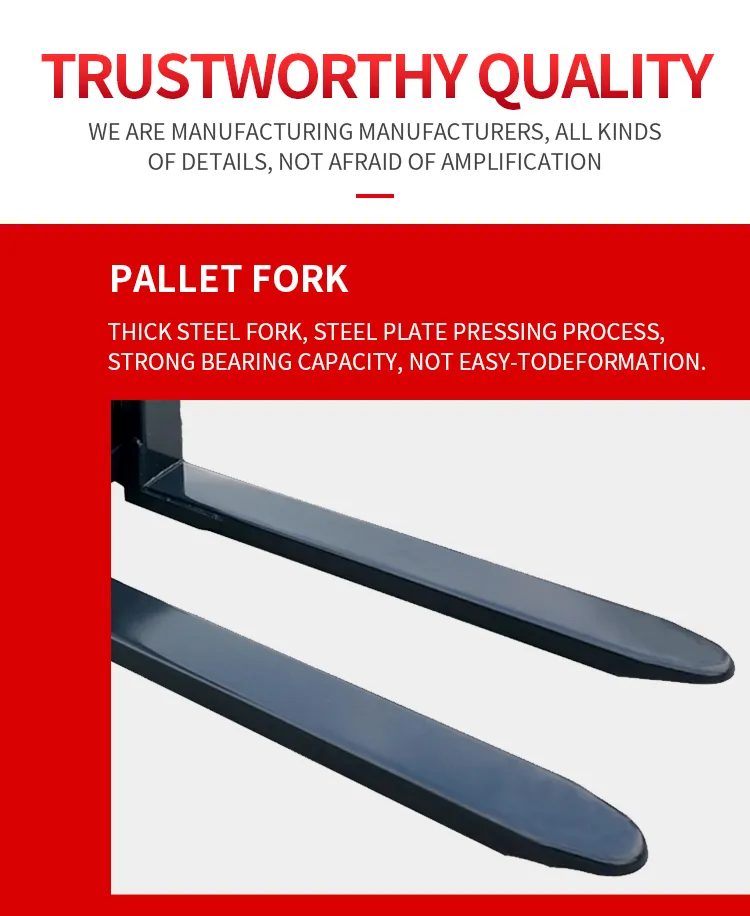
Forks: Two pronged arms at the front for carrying loads.
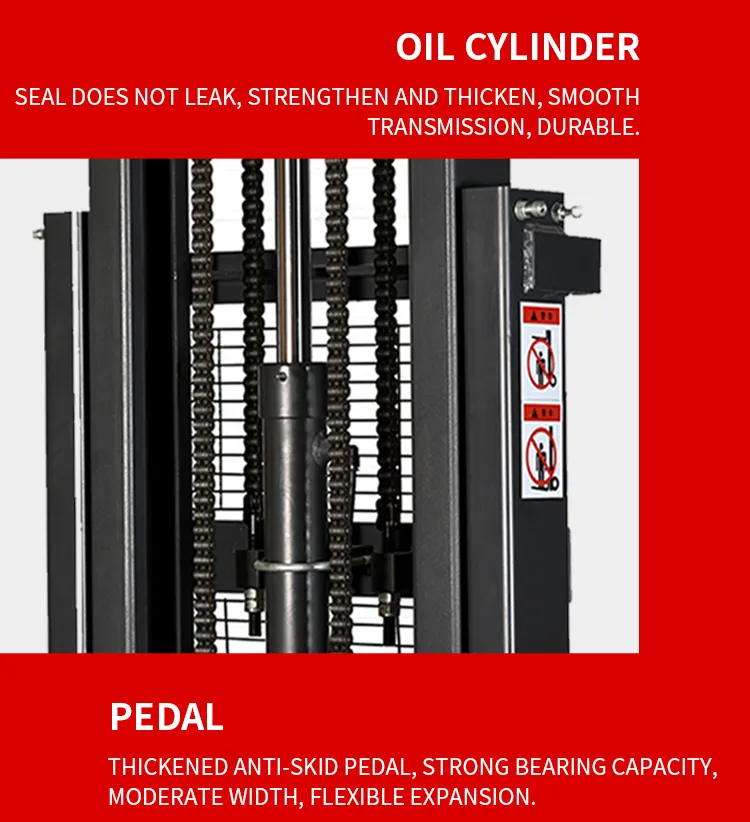
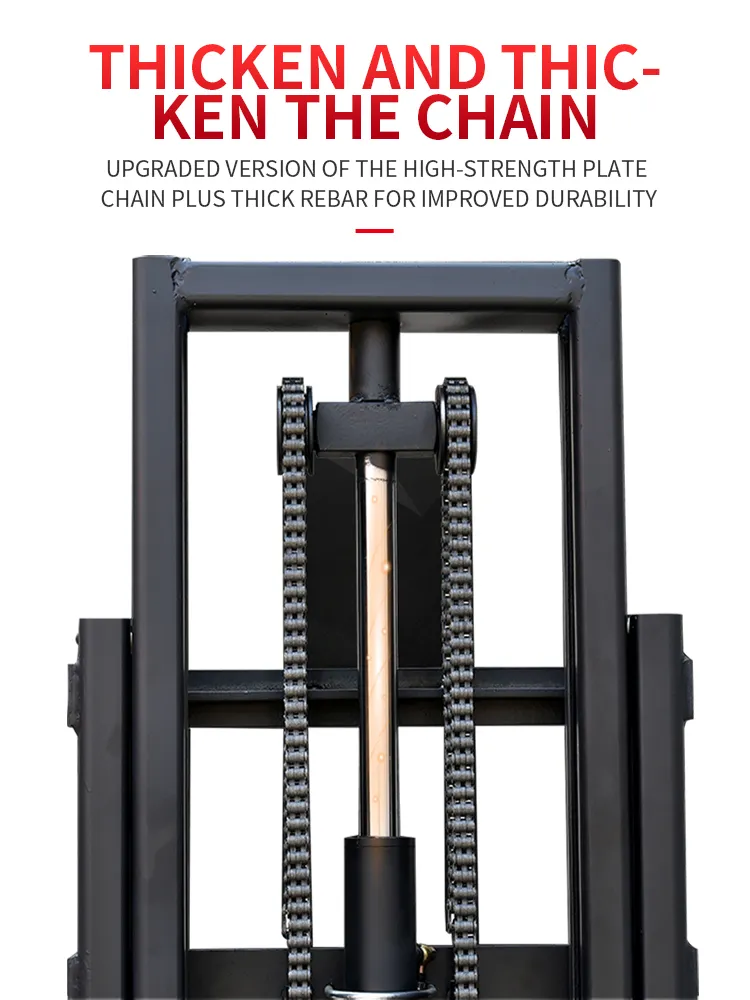
Mast: Vertical assembly for raising and lowering forks to different heights.
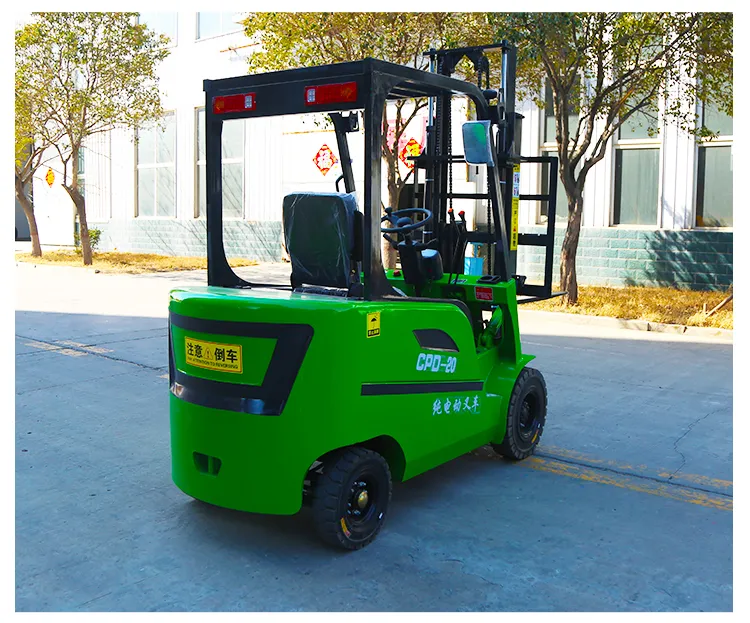
Counterweight: Located at the rear to maintain stability and balance heavy loads.
Operator Compartment: Ergonomic area with steering wheel and precise controls.
Power Source: High-performance electric batteries (Internal combustion options available).
| Characteristic | Unit | Value | |
|---|---|---|---|
| Rated lifting weight | kg | 3500 | |
| Load center distance | mm | 500 | |
| Wheelbase | mm | 1800 | |
| Total weight (with battery) | kg | 5350 | |
| Size Specifications | |||
| Total length | mm | 2595 | |
| Total width | mm | 1274 | |
| Max lifting height | mm | 3000 | |
| Turning radius | mm | 145 | |
| Performance | |||
| Travel speed (No load) | Km/h | 19/17.5 | |
| Lifting speed (Full load) | Mm/s | 450/550 | |
| Maximum grade | % | 20 | |
| Power System | |||
| Battery | Voltage | V | 80 |
| Battery | Capacitance | Ah | 400-720 |
| Walking motor power | Kw | 2x7.5 | |