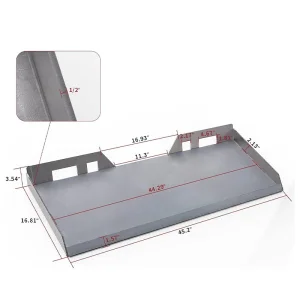
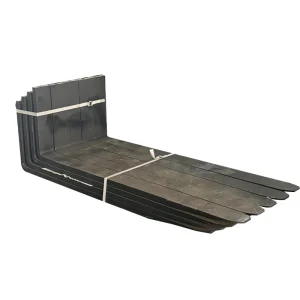
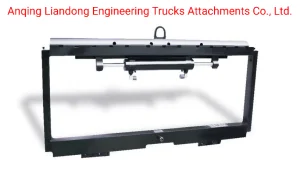
Engineered for immediate integration with major forklift fleets (Heli, Hangcha, Toyota, Crown, Hyster) operating in Queensland's heavy industries.
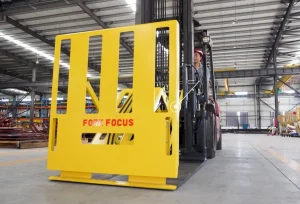
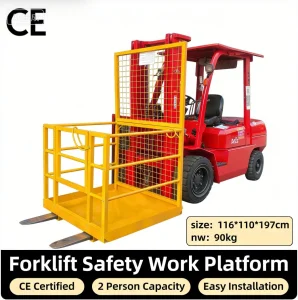
As the economic engine of Queensland, Brisbane has transformed into a critical hub for heavy manufacturing, logistics, and bulk commodity handling. The industrial trade zones stretching from the Port of Brisbane, Lytton, and Eagle Farm in the Brisbane TradeCoast precinct to the warehouse corridors of Wacol, Ipswich, and Logan require robust, highly efficient material handling systems. A standard forklift with basic tines is no longer sufficient to meet the throughput speeds demanded by modern global logistics networks.
Forklift operators, fleet managers, and capital buyers in Brisbane face distinct operational challenges: corrosive coastal marine environments near the port, intensive high-temperature operating hours during Queensland's summer, and stringent enforcement of Work Health and Safety (WHS) regulations. To stay competitive, businesses are shifting from standard machinery configurations to purpose-built forklift attachments. Whether it is lifting structural concrete pipes in Logan, handling bulk grain bags for export at the Port of Brisbane, or stacking tobacco and paper rolls in Brendale, custom forklift attachments serve as primary productivity multipliers.
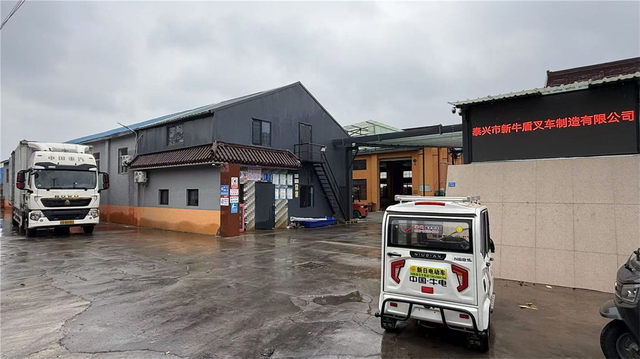
Qingdao Nauti Lift Co., Ltd. is a professional manufacturer specializing in electric and internal combustion forklifts, as well as comprehensive warehouse equipment and material handling solutions. Located in Qingdao, China, the company benefits from a strategic coastal position and a well-developed industrial supply chain, enabling efficient production and global distribution.
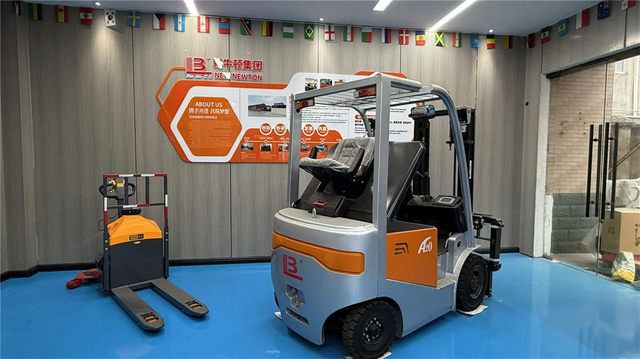
With a strong focus on innovation and reliability, Nauti Lift offers a wide range of products, including electric forklifts, diesel and LPG forklifts, warehouse stackers, pallet trucks, and customized material handling equipment. Our solutions are widely used in logistics centers, manufacturing plants, ports, and distribution warehouses, helping customers improve operational efficiency and reduce handling costs.
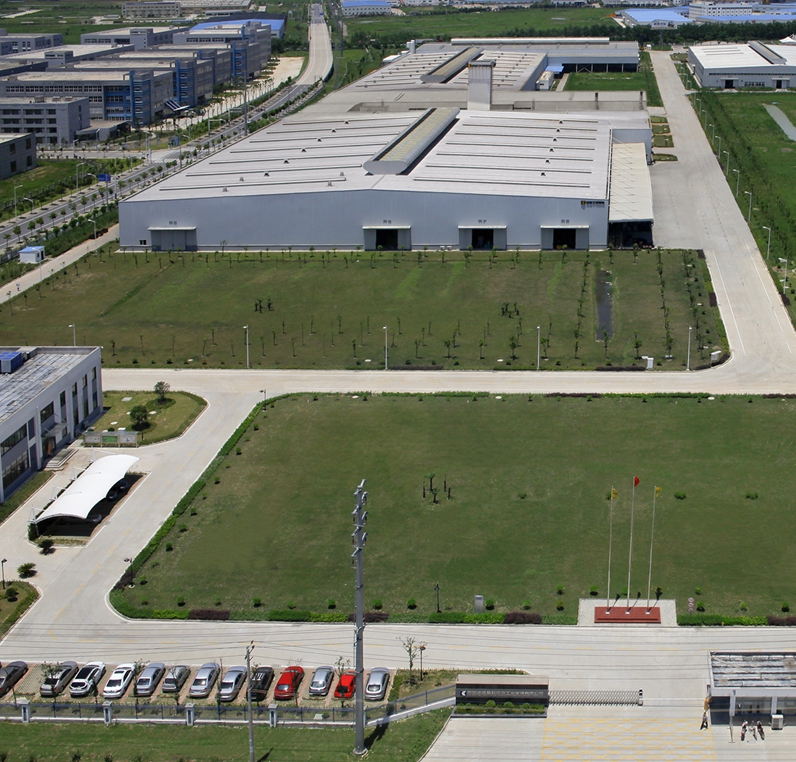
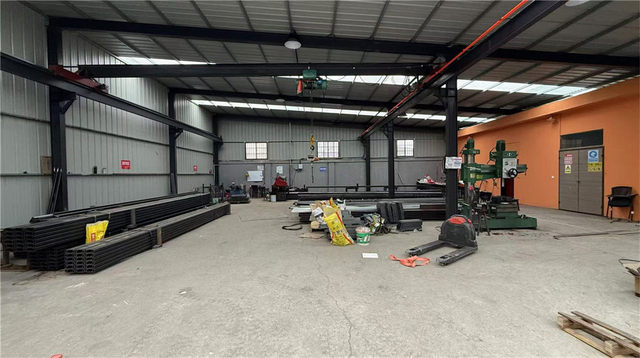
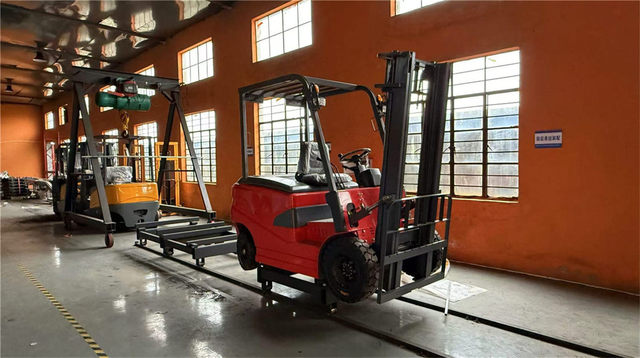
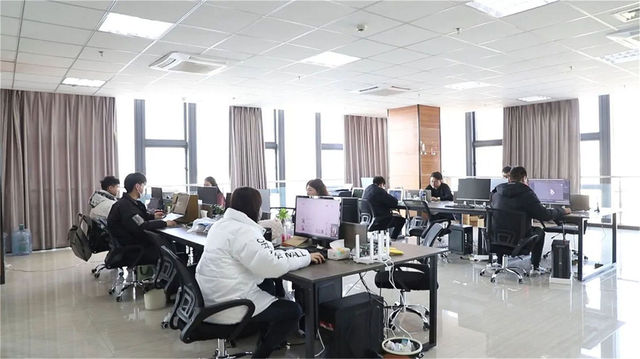
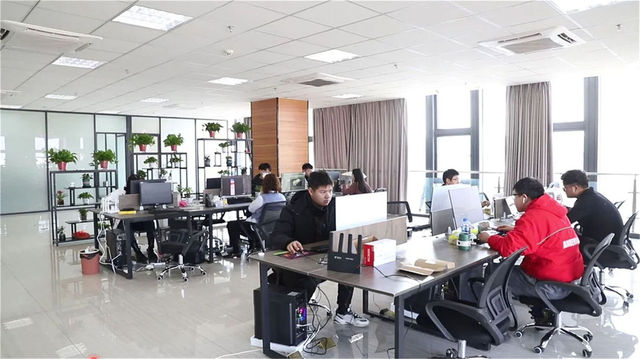
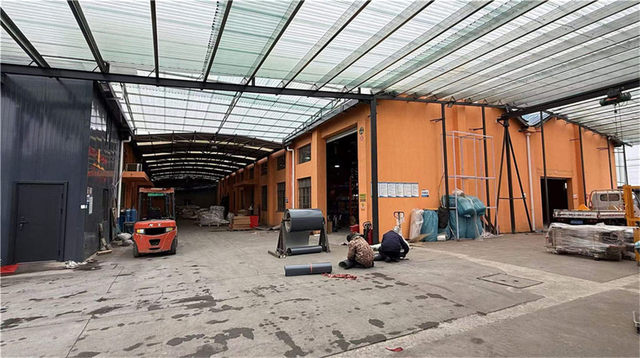
Equipped with modern manufacturing facilities and advanced assembly lines, we implement strict quality control systems to ensure durability, safety, and performance in every product. Our engineering team continuously works on optimizing energy efficiency, ergonomic design, and intelligent control systems to meet evolving market demands.
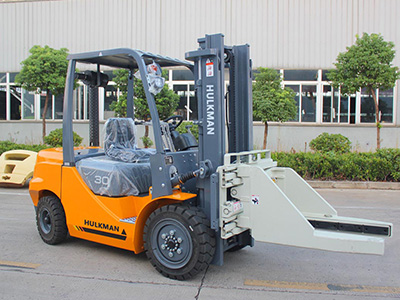
In addition to high-quality products, Qingdao Nauti Lift Co., Ltd. provides comprehensive OEM and ODM services, offering flexible customization to suit different applications and regional requirements. Guided by a customer-first philosophy, we are committed to delivering reliable material handling solutions and building long-term partnerships with clients worldwide.
The global material handling industry is undergoing a digital and mechanical convergence. Our engineering department at Qingdao Nauti Lift Co., Ltd. is continuously adapting to three main technological trends that define the future roadmap of forklift attachments:
Traditional attachments run the risk of dropping loads due to insufficient hydraulic clamping pressure or overload. Future designs integrate smart load cell sensors and digital pressure-limiting valves that communicate directly with the forklift's electronic control unit (ECU). For paper roll clamps and bale clamps, this prevents damage to sensitive materials (like paper fibers or tobacco leaves) while maintaining the structural safety margins required by Australian WHS inspectors.
Every kilogram added to the front of a forklift reduces the truck's net lifting capacity due to the load center shift. By utilizing specialized high-tensile alloys (such as structural Q460 steel) and optimized structural geometries, our newest attachments offer high structural integrity with up to 15% less deadweight. This optimization is crucial for Brisbane electric forklift fleets, where minimizing attachment weight translates directly into longer battery life and reduced carbon footprints.
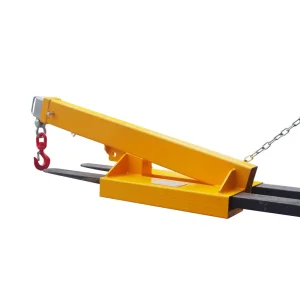
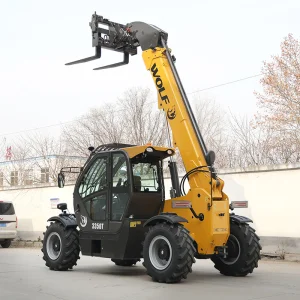
Modern telehandlers and reach trucks require rapid changeovers and high precision control. Our quick-mounting plates and modular hydraulic connectors ensure that transitioning from a Telescopic Lifting Jib Crane to a Self Dumping Scrap Hopper takes only minutes, reducing idle labor costs and improving operational agility.
Engineered for extreme performance, structural safety, and high-frequency cycles in logistics, waste management, and heavy manufacturing.
Ensuring 100% equipment catalog coverage for structural recycling, industrial packaging, and terminal container handling.
Operating a forklift attachment in Australia requires strict adherence to national safety protocols. Under AS 2359.1 (Powered Industrial Trucks), any modification or addition of an attachment must be factored into the unit's operating dynamics. The combined weight of the attachment and its distance from the load center reduces the manufacturer's original nameplate rating. Operating without recalculated, engineered capacity plates violates WHS guidelines and voids insurance policies.
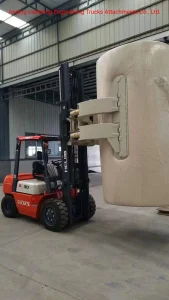
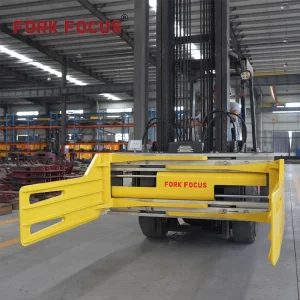
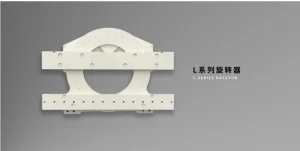
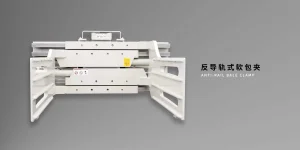
Furthermore, our hydraulic attachments, such as the 360-Degree Rotating Paper Roll Clamp and the Revolving Bale Clamps, feature double pilot-operated check valves. These safety valves lock the hydraulic fluid in the cylinders in the event of an unexpected pressure line rupture, preventing the load from sliding or falling. This design is critical for high-density metropolitan warehousing areas in South-East Queensland.
Expert technical answers regarding structural engineering, logistics, importing, and compliance for the Brisbane market.
Yes. All of our structural forklift attachments, including the safety cages, lifting jibs, and rotating clamps, are designed and fabricated to comply with the mechanical and safety margins specified in Australian Standard AS 2359.1 and AS 2359.2. We provide physical engineering plates indicating the structural weight, center of gravity, and calculated de-rating margins for easy verification by site safety officers.
We leverage our close proximity to Qingdao Port to offer direct ocean freight routes to the Port of Brisbane. We handle export documentation, customs clearance filing, and seaworthy steel crate packaging. Depending on the size of the shipment, we offer LCL (Less than Container Load) for single attachments or FCL (Full Container Load) for fleet upgrades. Typical shipping transit times run between 18 to 25 days.
Absolutely. Our attachments are designed around international standard ISO Class II, Class III, and Class IV carriage hook mounts. Whether you run a fleet of Toyota, Crown, Mitsubishi, Heli, Hangcha, Hyster, or Yale forklifts, our mounting brackets and hydraulic couplings are designed for direct installation. Custom mounting configurations can be accommodated via our ODM engineering department.
We use Q345B and Q460 high-tensile structural steel for all structural components, including arm carriers and frame rails, to achieve maximum strength-to-weight ratios. The internal hydraulic components use imported high-pressure seal kits (such as NOK brands) to guarantee leak-free operation in demanding environments, like Queensland's hot and humid coastal zones.
Standard attachments (such as class sideshifters, safety cages, and lifting jibs) are kept in stock for immediate shipment. For custom, customer-specified products (such as unique clamp geometries, high-tonnage rotator units, or custom tipping bins), the engineering and manufacturing process takes approximately 15 to 30 days from blueprint approval to final pressure testing.
Contact our structural engineers and supply chain specialists today. Get detailed CAD drawings, calculated capacity plates, and factory-direct pricing for the Australian market.
Send Inquiry Now Nauti Lift