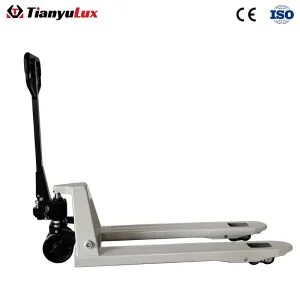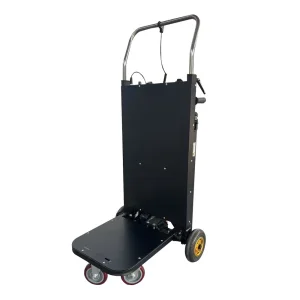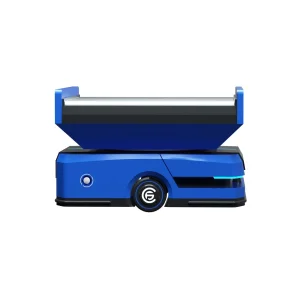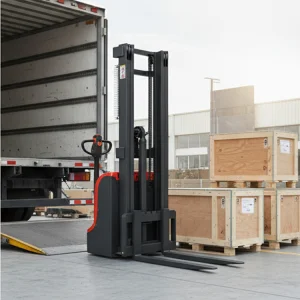
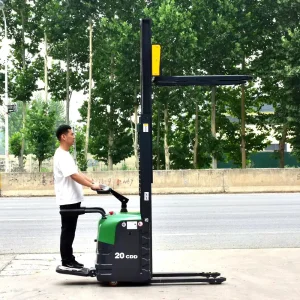
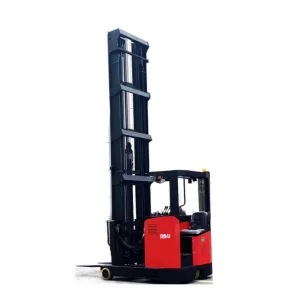
Modern global logistics networks demand high versatility and cost-efficiency. Single-use machinery often leads to high maintenance budgets, redundant fleet management, and increased logistics friction. Multi-purpose forklifts bridge this operational gap by integrating adjustable masts, specialized attachment coupling systems, and advanced power management to fulfill varied roles—from indoor narrow-aisle picking to outdoor heavy cargo lifting.
As the international manufacturing landscape adopts Industry 4.0 paradigms, logistics solutions are shifting toward integrated smart-fleets. High-capacity operations now require equipment capable of toggling between traditional counterbalance operations, pallet stacking, and precision towing. Choosing the right China-based manufacturer who understands these shifting criteria is key to long-term operational success.
When sourcing industrial machinery from China, global procurement teams must balance price competitiveness with rigorous reliability metrics. The core evaluation vectors include:
China's key industrial hubs, such as Qingdao, host end-to-end supply chains encompassing steel mills, specialized lithium-ion cell developers, hydraulic pump fabricators, and advanced IoT telemetry providers. This localized density cuts transportation overhead, speeds engineering iterations, and drastically reduces lead times for complex modifications.
Chinese factories are no longer merely assembling parts; they are leaders in battery chemistry and automated pathing. By integrating advanced electric powertrains, intelligent BMS systems, and 4WD configurations on rough terrain chassis, Chinese suppliers produce high-efficiency, multi-purpose units that rival legacy Western brands at competitive prices.
Whether you require a customized 260kg stair-climbing trolley or an 80-ton heavy-duty AGV with custom lift heights, Chinese manufacturers provide the engineering agility to scale production up or down. Rigorous QA protocols ensure every bespoke unit meets international structural safety factors.
Qingdao Nauti Lift Co., Ltd. is a professional manufacturer specializing in electric and internal combustion forklifts, as well as comprehensive warehouse equipment and material handling solutions. Located in Qingdao, China, the company benefits from a strategic coastal position and a well-developed industrial supply chain, enabling efficient production and global distribution.
With a strong focus on innovation and reliability, Nauti Lift offers a wide range of products, including electric forklifts, diesel and LPG forklifts, warehouse stackers, pallet trucks, and customized material handling equipment. Our solutions are widely used in logistics centers, manufacturing plants, ports, and distribution warehouses, helping customers improve operational efficiency and reduce handling costs.
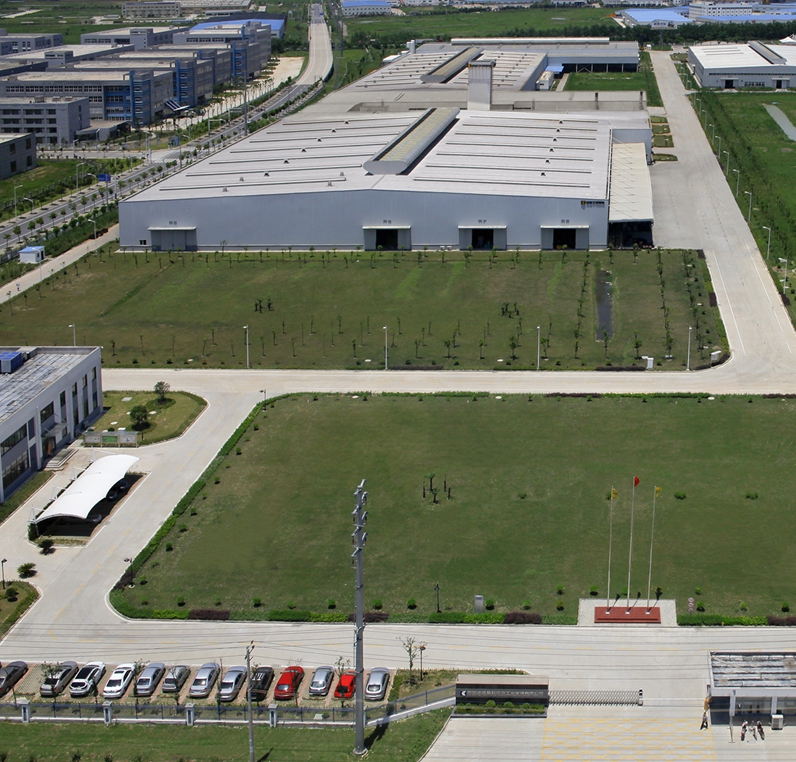
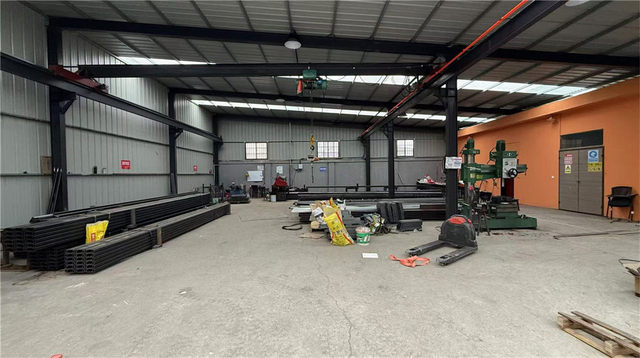
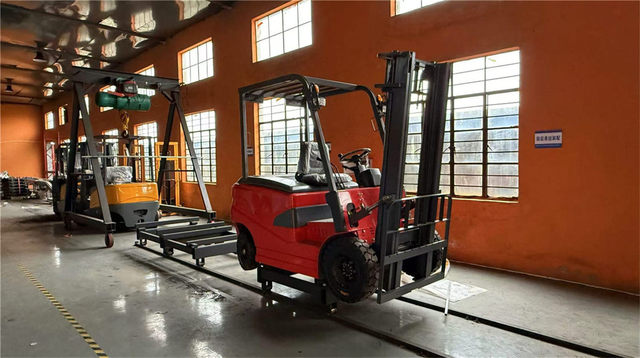
Equipped with modern manufacturing facilities and advanced assembly lines, we implement strict quality control systems to ensure durability, safety, and performance in every product. Our engineering team continuously works on optimizing energy efficiency, ergonomic design, and intelligent control systems to meet evolving market demands.
In addition to high-quality products, Qingdao Nauti Lift Co., Ltd. provides comprehensive OEM and ODM services, offering flexible customization to suit different applications and regional requirements. Guided by a customer-first philosophy, we are committed to delivering reliable material handling solutions and building long-term partnerships with clients worldwide.
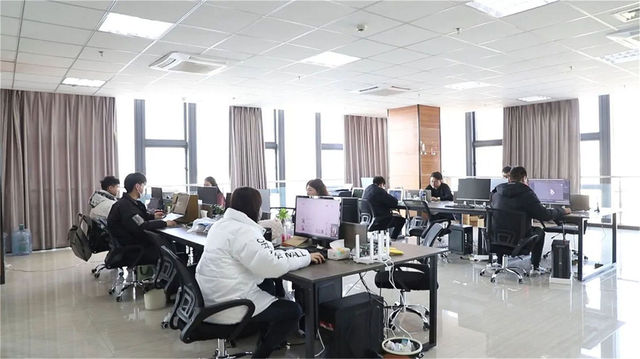
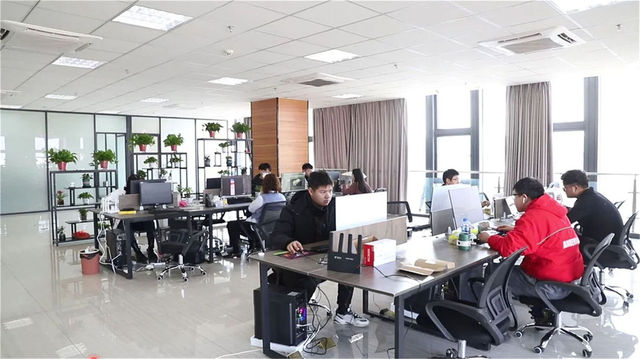
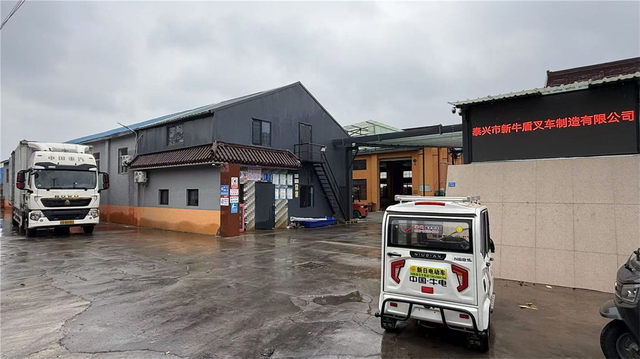
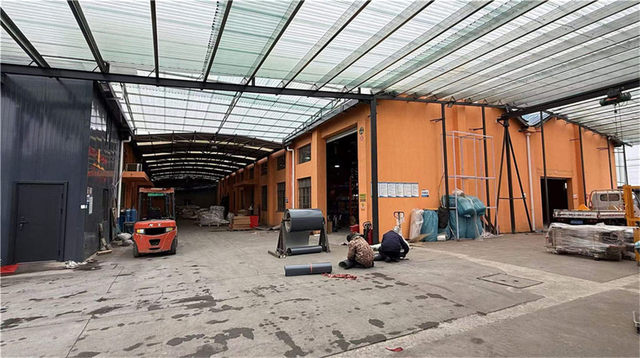
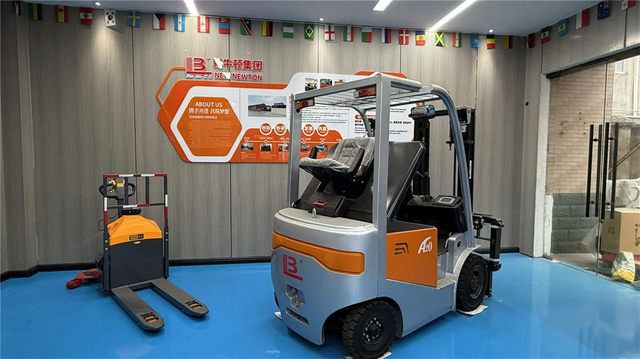
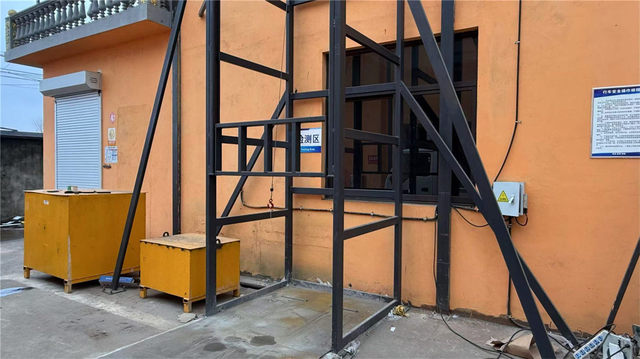
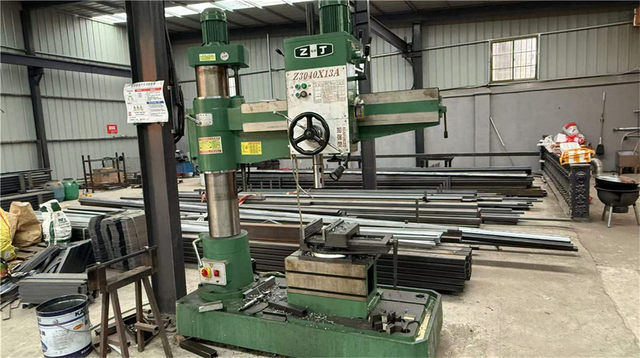
Take an inside look at our specialized manufacturing departments and advanced quality verification facilities in Qingdao.
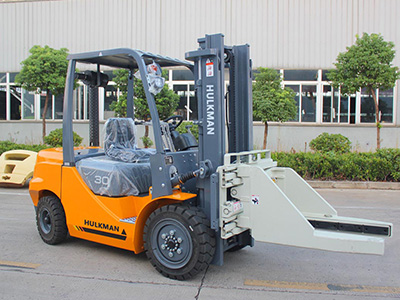
To maximize forklift efficiency, procurement managers must evaluate how machines perform across distinct physical environments. Standard warehouses require tight turning radiuses, whereas outdoor construction zones require mechanical resilience, high clearance, and specialized drivetrains. Below are the key scenarios where modern multi-purpose forklifts deliver peak performance:
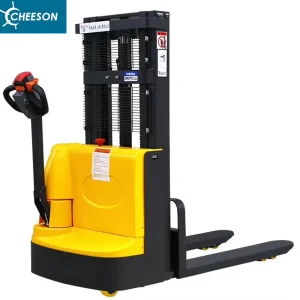
High warehouse rental costs require maximizing vertical space. For aisles less than 3 meters wide, standard counterbalance forklifts are inefficient. Double-deep reach trucks, electric walkie stackers, and high-lifting turret trucks allow operators to stack pallets up to 13 meters high. By incorporating high-performance AC motors and responsive hydraulic proportional valves, safety is maintained during high-altitude load placement.
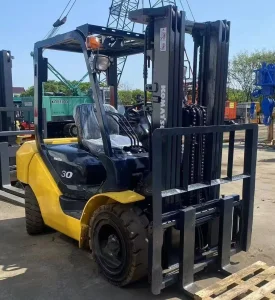
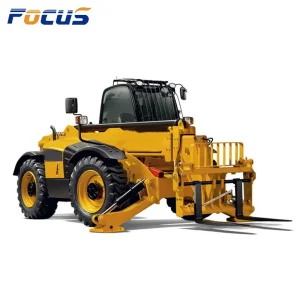
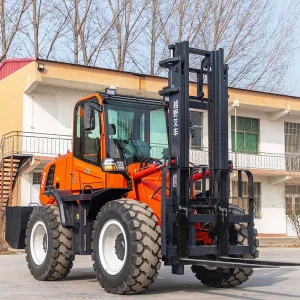
Outdoor logistics terminals, civil infrastructure projects, and lumber yards present uneven, muddy, or sandy conditions. Operating a standard electric warehouse forklift here causes immediate component wear. Industrial rough terrain forklifts use four-wheel drive (4WD) systems, heavy-duty off-road tires, high ground clearance (exceeding 250mm), and articulating steering joints to stabilize loads over rough ground. Heavy-duty diesel or electric options ensure power is available for steep slopes.
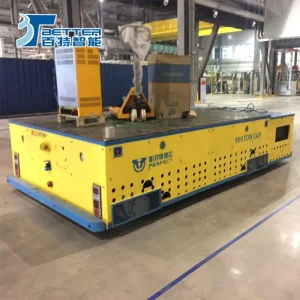
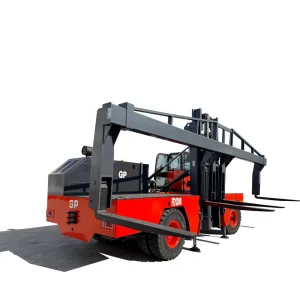
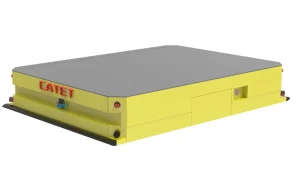
Metal stamping facilities, automotive assembly lines, and concrete pipe manufacturers require transport of loads from 20 tons up to 300 tons. Manual operation for these loads is unsafe and slow. Heavy-duty Automated Guided Vehicles (AGVs) and specialized electric moving motorized transfer trolleys handle these loads securely. Guided by magnetic strips, laser navigation, or visual SLAM, these autonomous units operate around the clock to move heavy tooling safely.
| Equipment Type | Optimal Scenario | Key Performance Limit | Applicable Standards |
|---|---|---|---|
| Electric Reach Trucks (Narrow Aisle) | Indoor Logistics, Cold Storage | Lifting up to 13m; 2-Ton Limit | EN 1726, ISO 3691-1 |
| 4WD Rough Terrain Forklifts | Construction, Outdoor Depots | Slope gradients up to 45%; 7-Ton Limit | ANSI B56.6, ISO 22915 |
| Autonomous AGVs & Transfer Trolleys | Automotive plants, Steel Mills | Load capacities up to 300 Tons | ISO 3691-4, EN 1525 |
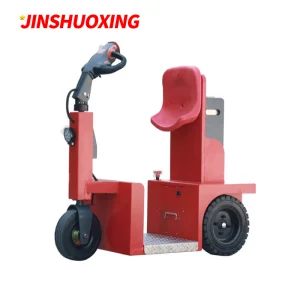
| Lithium Three-Wheel Counterbalance | Distribution centers, Dock loading | Fast charging, Small turning radius | CE, OSHA 1910.178 |
Importing heavy industrial equipment requires compliance with localized safety and emissions rules. Equipment shipped without proper certification risks customs delays or local operator hazards. Key manufacturing compliance areas include:
Initial price is only a factor in procurement. Access to replacement parts and technical support determines long-term uptime. Modern suppliers use integrated global logistics pipelines to ensure:
Traditional lead-acid batteries require dedicated charging rooms, ventilation, and regular watering. High-performance Lithium Iron Phosphate (LiFePO4) systems support opportunity charging during operator breaks, zero maintenance, and long service lifetimes (exceeding 3,000 cycles at 80% DOD).
Rising labor costs and safety concerns are driving the shift toward autonomous guided vehicles. Modern AGV forklifts use LiDAR and camera-based SLAM algorithms to operate in busy environments without physical tracks, reducing product damage and labor costs.
Real-time vehicle data collection allows logistics managers to monitor operator behavior, battery status, maintenance schedules, and collision sensors. This connectivity improves site safety and optimizes fleet deployment based on real usage metrics.
A: Lithium-ion batteries support opportunity charging (charging during shifts without battery degradation), require zero fluid checks or maintenance, and emit no toxic gases during charging. They also run at high efficiency levels down to low charge states and offer longer lifetimes (typically 3,000+ cycles vs 1,500 for lead-acid), lowering overall operating costs.
A: Reputable manufacturers like Qingdao Nauti Lift implement strict design reviews, sourcing tested steel, certified safety glass, and CE-marked electrical/hydraulic parts. Machinery must pass structural stress checks, dynamic tilt tests, and noise and exhaust emissions tests in line with ISO 3691 and ANSI/ITSDF standards before export.
A: Yes. Modern AGVs and automated stackers can be customized for specific load sizes, mast heights, and steering geometries. Navigation profiles can be updated via software using laser scanners or SLAM systems, allowing integration into existing layouts without physical structural changes.
A: Standard configuration models are typically built and shipped within 20 to 30 days. Custom designs, specialized attachment systems, or heavy-duty units (above 15 tons) may require 45 to 60 days to complete engineering design, testing, and safety approval processes.
A: Major components use standardized systems (e.g., Curtis controllers, Shimadzu pumps, Cummins/Yuchai engines), making parts widely available. Factory-specific wear parts are shipped via global express logistics partners within 2-3 business days.
A: Key specifications to assess include the drive type (4WD is essential for soft soil), ground clearance (minimum 250mm), maximum slope climbing capability, tire type (pneumatic wide-base off-road tires), and whether the mast has structural dampers to limit load movement on uneven ground.
A: Yes, but this requires a specialized cold storage package. This configuration includes low-viscosity hydraulic oils, sealed wiring harness joints, heated operator compartments (for ride-on models), and moisture protection coatings to prevent rust from condensation.
 Nauti Lift