Explore our top-performing diesel, electric, and narrow-aisle solutions engineered for optimal load capability, long lifespan, and low maintenance overheads.
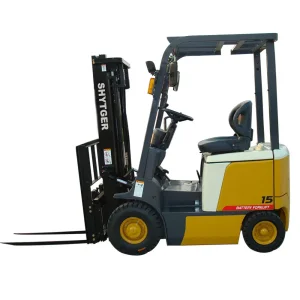
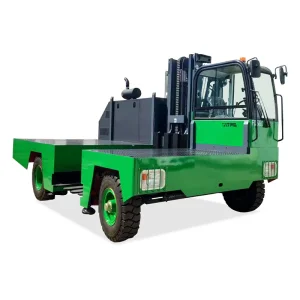
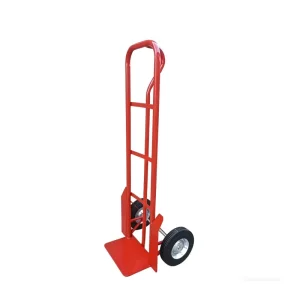
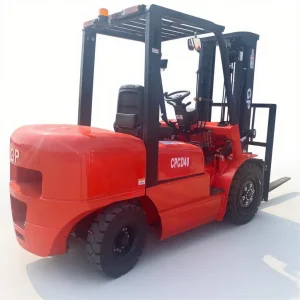
In modern industrial and warehouse management, the shift away from single-load forklift transport toward horizontal supply systems is accelerating. The **Lift Runner**—commonly referred to in lean manufacturing as a tugger train or milk-run trailer system—stands at the absolute center of this shift. Globally, automotive assemblies, heavy machinery, e-commerce, and high-frequency production sites are demanding higher safety protocols and tighter delivery schedules. Tugger trains reduce internal warehouse traffic by up to 70%, delivering parts on demand across multiple stations simultaneously.
Industrial operations in North America and Western Europe have set rigorous standards for ergonomic safety and automated decoupling. As a result, China's material handling exports are transitioning from simple heavy machinery to high-tech, integrated transport systems like AGV tow tractors, narrow-aisle stackers, and specialized lift attachments.
The trend of creating "Forklift-Free" production halls is driven by basic mathematical efficiency and risk mitigation. Traditional forklift operations carry a high safety risk with significant physical footprints. A single tow tractor paired with a series of Lift Runner trailers can move three to five times more volume than standard counterbalance forklifts in a single run.
This systematic logistics workflow dramatically lowers labor costs, limits operational energy usage, and mitigates warehouse structural damage. The integration of high-performance Li-FePO4 lithium batteries into these systems guarantees maximum up-time through rapid opportunity charging, transforming material flow from a manual challenge into a precise science.
From mechanical tow systems to automated guided pathing, next-generation intralogistics systems rely on intelligent components working in synchronization.
Transitioning from traditional lead-acid systems, modern materials handling uses highly efficient LFP cells. Integrated Battery Management Systems (BMS) provide diagnostic tracking, rapid thermal dispersion, and support opportunity charging during shift breaks without reducing operational life expectancy.
Utilizing LiDAR-based SLAM and visual guidepaths, modern electric tow tractors function both manually and autonomously. VDA 5050 compliance allows seamless interoperability across heterogeneous fleets, executing scheduled material run routines with millimeter-level stopping precision.
State-of-the-art Lift Runner frames employ smart pneumatic or hydraulic lifting mechanisms. Ground-clearance load lifts, active self-tracking axles for tight turning curves, and quiet polyurethane tires ensure quiet transport and minimal physical drag during multi-ton cargo operations.
Throughput Efficiency
Traffic Density Reduction
Zero-Emission Clean Energy
Tight Turning Radius
Automobile assembly requires thousands of parts delivered on a strict Just-In-Time (JIT) and Just-In-Sequence (JIS) basis. Lift Runner trains carrying customized frames load small bins, heavy structural modules, and pre-sorted assemblies straight from logistics hubs directly to the station. Operators roll the bin trolley off the frame easily without requiring secondary forklifts.
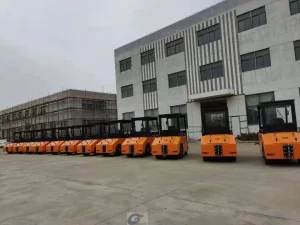
Massive fulfillment centers deal with endless cross-docking workflows. By deploying high-tonnage heavy-duty tow tractors combined with smart hand-trolley trailers, operators pull massive amounts of package arrays securely across long distances. This layout prevents congestion inside aisles, ensuring continuous operational flow and safe package handling.
Integrating a comprehensive Lift Runner or towing logistics infrastructure requires thorough system planning and route calculations.
Determine exact cycles based on takt time of assembly work. We recommend establishing standardized cyclic milk-run loops, defining exact loading zones, and tracking time window compliance to guarantee production lines run without interruptions.
Match structural frames to payload requirements. Options include **E-Frames** for flexible side loading, **C-Frames** for dual-sided access, and **Portal Frames** for heavy loads. Ensure wheel selections prevent scuffing on delicate industrial epoxy floors.
Calculate maximum safe towing weight relative to vehicle braking limits. Integrate active load-sensors, speed limiters for narrow zones, and automatic emergency stopping sensors on leading tow tractors to satisfy ISO safety regulations.
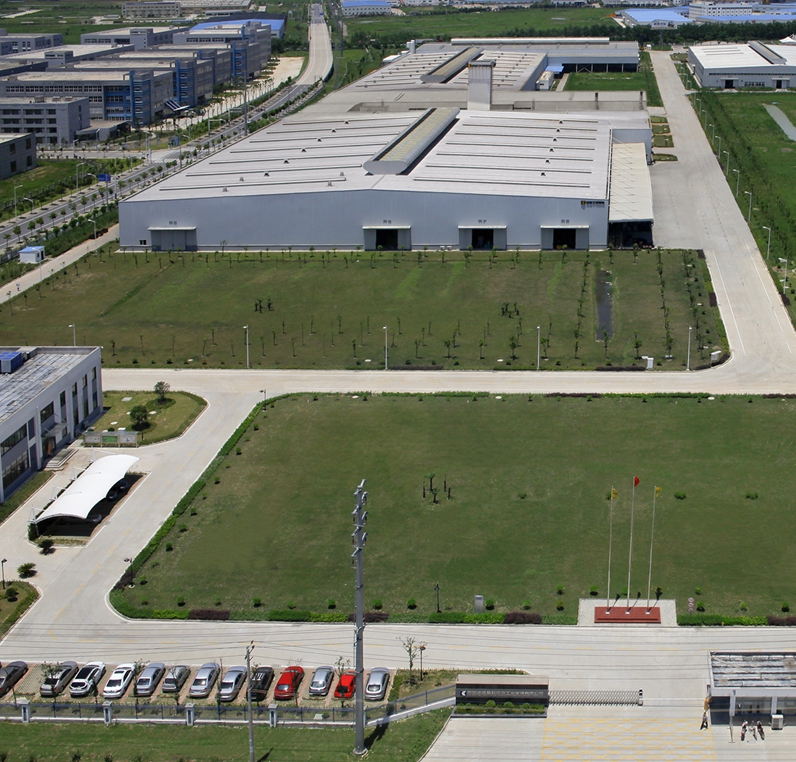
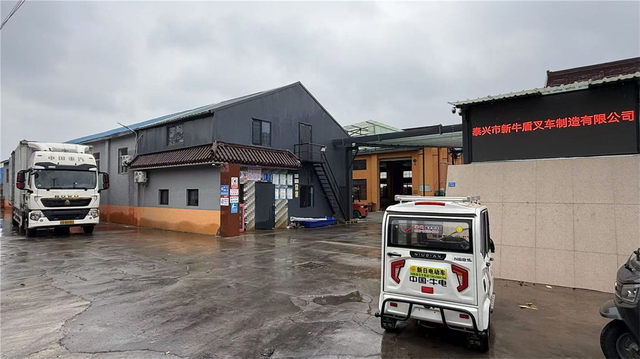
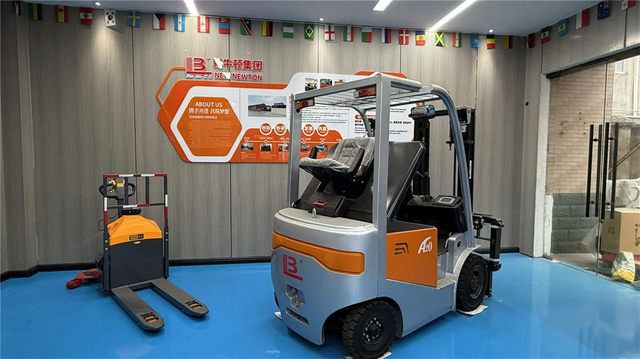
Qingdao Nauti Lift Co., Ltd. is a professional manufacturer specializing in electric and internal combustion forklifts, as well as comprehensive warehouse equipment and material handling solutions. Located in Qingdao, China, the company benefits from a strategic coastal position and a well-developed industrial supply chain, enabling efficient production and global distribution.
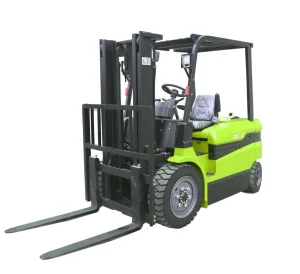
With a strong focus on innovation and reliability, Nauti Lift offers a wide range of products, including electric forklifts, diesel and LPG forklifts, warehouse stackers, pallet trucks, and customized material handling equipment. Our solutions are widely used in logistics centers, manufacturing plants, ports, and distribution warehouses, helping customers improve operational efficiency and reduce handling costs.
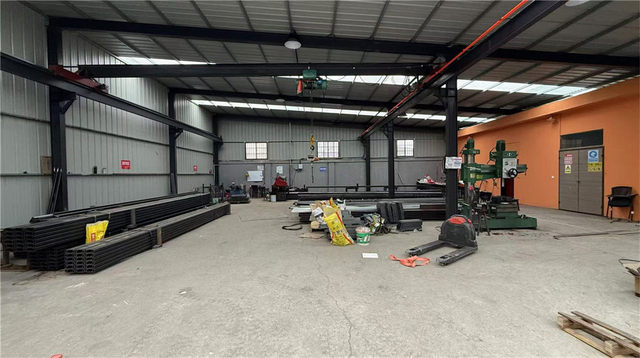
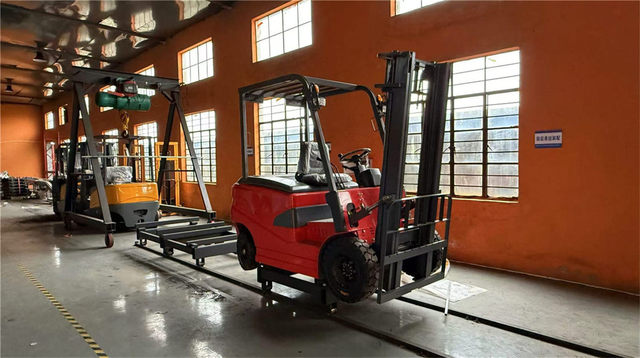
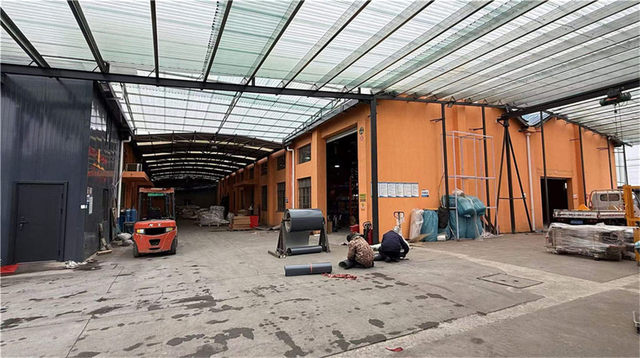
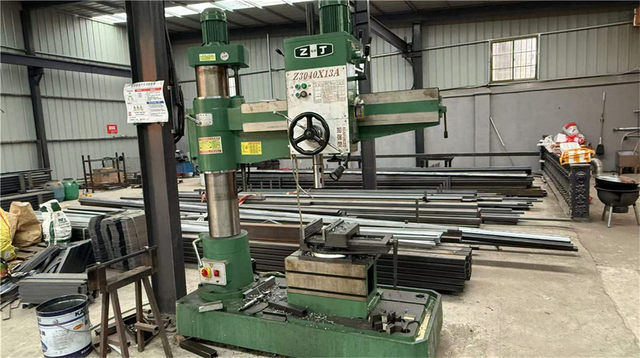
Equipped with modern manufacturing facilities and advanced assembly lines, we implement strict quality control systems to ensure durability, safety, and performance in every product. Our engineering team continuously works on optimizing energy efficiency, ergonomic design, and intelligent control systems to meet evolving market demands.
In addition to high-quality products, Qingdao Nauti Lift Co., Ltd. provides comprehensive OEM and ODM services, offering flexible customization to suit different applications and regional requirements. Guided by a customer-first philosophy, we are committed to delivering reliable material handling solutions and building long-term partnerships with clients worldwide.
Professional answers to key questions regarding Lift Runner systems, material handling logistics, and vehicle custom configurations.
A: Traditional forklifts feature high center-of-gravity payloads and limited front visibility. A Lift Runner or tow tractor train operates at a low center of gravity, with cargo locked securely inside structural trailer frames (like E-frames or C-frames). This design minimizes tip-over risks, controls driving pathways, and drastically reduces collisions with factory workers.
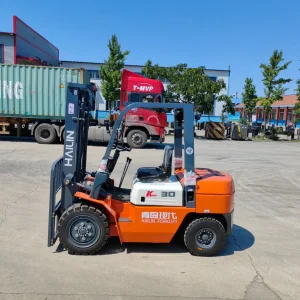
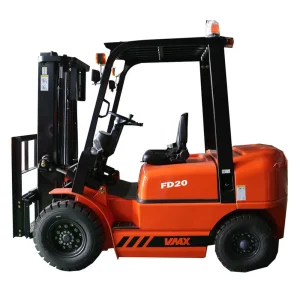
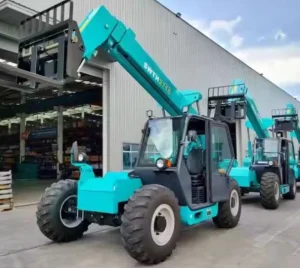
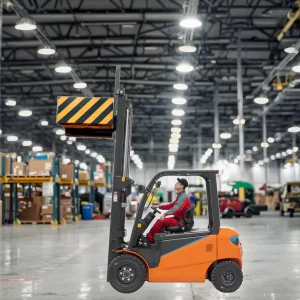
A: Indoor operations require zero carbon emissions and low noise levels, making Lithium-Ion electric forklift trucks (1.5 to 3.5 ton models) the absolute standard. On the other hand, heavy-duty outdoor yards, bulk ports, and remote construction zones rely on heavy diesel engine forklifts or telescopic handlers for continuous performance under harsh environments.
A: Yes. Modern heavy-duty tow tractors (such as the TG series) can be equipped with autonomous driving kits, utilizing LiDAR sensors and SLAM technology to follow programmed pathways. They interface directly with Warehouse Management Systems (WMS) to automate cross-dock replenishment workflows without human drivers.
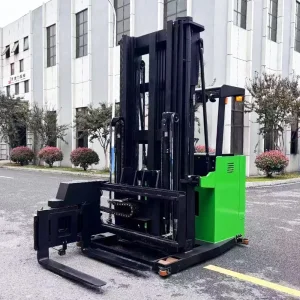
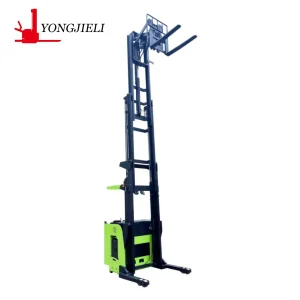
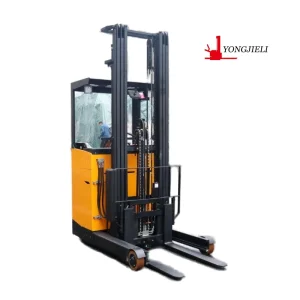
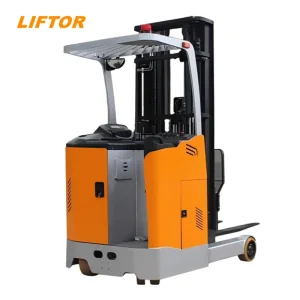
A: Very Narrow Aisle (VNA) forklifts maximize storage density by working in aisles as tight as 1.6 meters. The fork mechanism rotates 180 degrees, allowing operators to pick and stack pallets from both sides of the aisle without turning the entire vehicle body, boosting warehouse capacity by up to 50%.
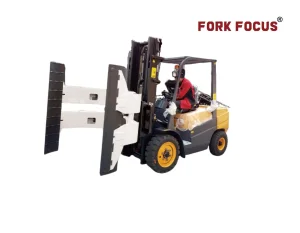
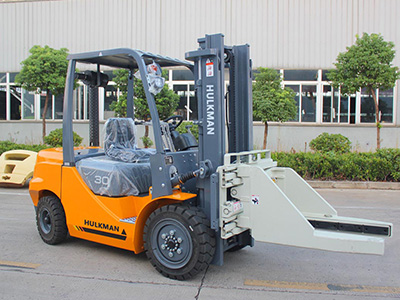
A: Standard forks cannot safely secure heavy, round, or non-uniform objects. Custom hydraulic attachments, such as tire clamps or roll clamps, exert controlled radial pressure to secure loads. This prevents accidental slippage, speeds up loading times, and protects raw materials from structural damage.
From high-capacity electric tow tractors to precise AGVs and telescopic handlers, browse our premium selections built for industrial excellence.
 Nauti Lift