The global beverage industry is currently undergoing a massive transformation, driven by surging consumer demand for diversified drinks, ranging from craft beers to functional waters. This growth has directly influenced the beverage forklift market. Unlike standard material handling, the beverage sector requires machines that can handle high-frequency cycles, fragile glass packaging, and heavy fluid loads. Currently, the industry status is shifting toward "Green Logistics," with lithium-ion technology becoming the gold standard for indoor bottling plants.
Industry Shift to Lithium-Ion
Annual Market CAGR
Global Manufacturers Focus on Automation
In the past, beverage exporters relied heavily on internal combustion (diesel) forklifts due to their raw power. However, modern environmental regulations (ESG) and the need for zero-emission indoor environments have forced a pivot. Top manufacturers now prioritize precision attachments—such as multi-pallet handlers—that allow a single operator to move up to six pallets at once, drastically reducing truck-to-shelf time.
Modern forklifts are no longer isolated machines. They are integrated nodes in a warehouse management system (WMS), providing real-time data on battery health, load weights, and operator efficiency.
In high-speed beverage distribution, operator fatigue is a safety risk. 360-degree visibility, vibration-dampening cabins, and joystick controls are now standard requirements for top exporters.
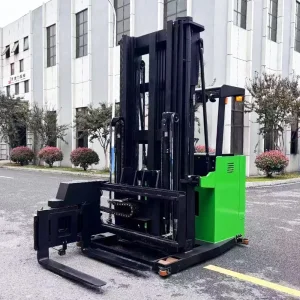
As warehouse space costs rise, manufacturers are designing trucks like the 1.5 Ton Narrow Aisle Electric Reach Forklift to maximize vertical storage density without sacrificing speed.
With "Fast Charge" lithium batteries, beverage plants can operate 24/7. A 30-minute charge during a lunch break can provide 4-5 hours of continuous operation, eliminating the need for spare battery rooms.
Every region has unique demands for beverage forklift exporters. In the craft beer scene of North America, small-scale flexibility is key. In the massive bottling plants of Southeast Asia, throughput and heat-resistance are paramount. In European cold-chain storage for premium juices, specialized "Cold Store" modifications are required to ensure hydraulics don't freeze at sub-zero temperatures.
Large-scale beverage enterprises look for more than just a machine; they look for a partnership. Global procurement teams evaluate:
Qingdao Nauti Lift Co., Ltd. represents the pinnacle of Chinese engineering. As a professional manufacturer specializing in electric and internal combustion forklifts, we leverage China's world-leading battery supply chain and precision manufacturing ecosystems.
Located in the strategic port city of Qingdao, we offer unmatched logistics advantages for global distribution. Our OEM and ODM services allow beverage giants to customize equipment—whether it's specialized clamps for keg handling or heavy-duty outdoor diesel trucks for vineyard operations. We focus on energy efficiency and intelligent control systems to meet the evolving demands of the FMCG market.
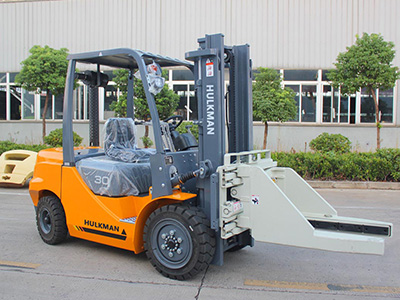
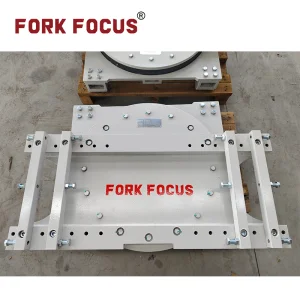
To be listed among the top 10 beverage forklift exporters, a company must demonstrate expertise in several technical domains. For instance, the transition from lead-acid to lithium-ion requires advanced Battery Management Systems (BMS) that prevent overheating during high-intensity lifting cycles. Furthermore, attachments like the 360 Degree Rotator Clamp must have precise hydraulic pressure settings to avoid crushing aluminum cans while maintaining a secure grip on heavy pallets.
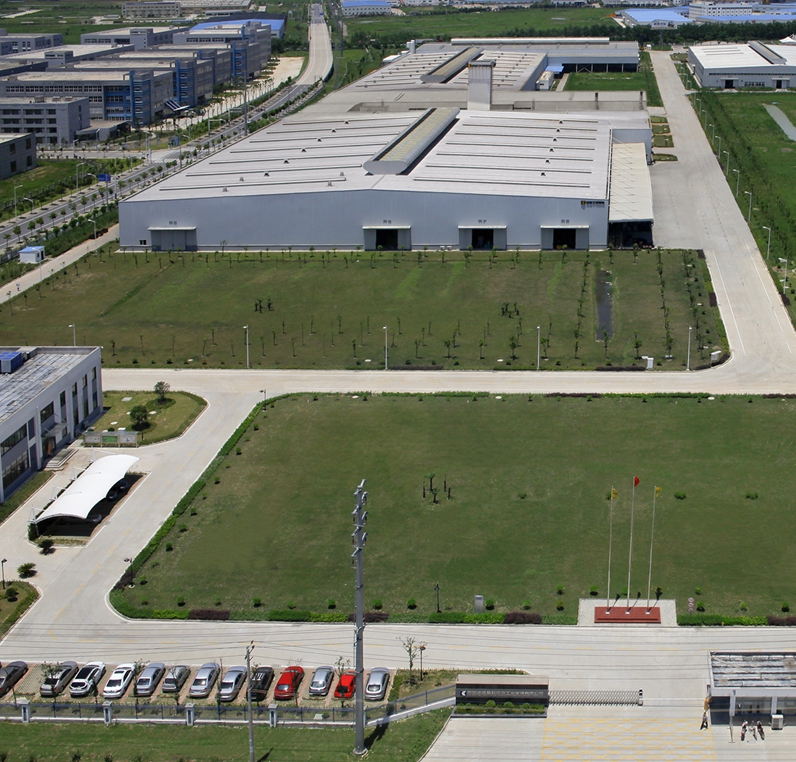
At Nauti Lift, our engineering team continuously works on optimizing ergonomic design, ensuring that every lever and display is positioned to minimize repetitive strain injuries for the driver. This holistic approach to design is what builds Reliability and Trust (E-E-A-T) in the international market.
 Nauti Lift