Nauti Lift
1 / 1
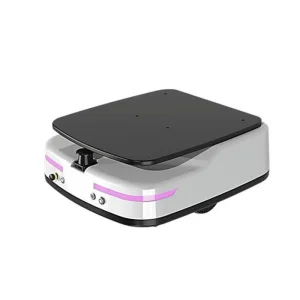
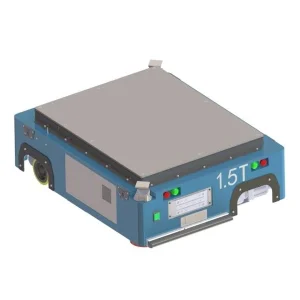
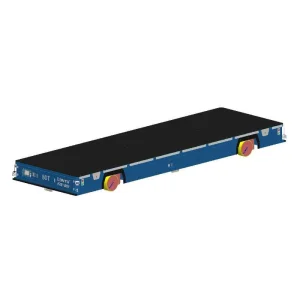
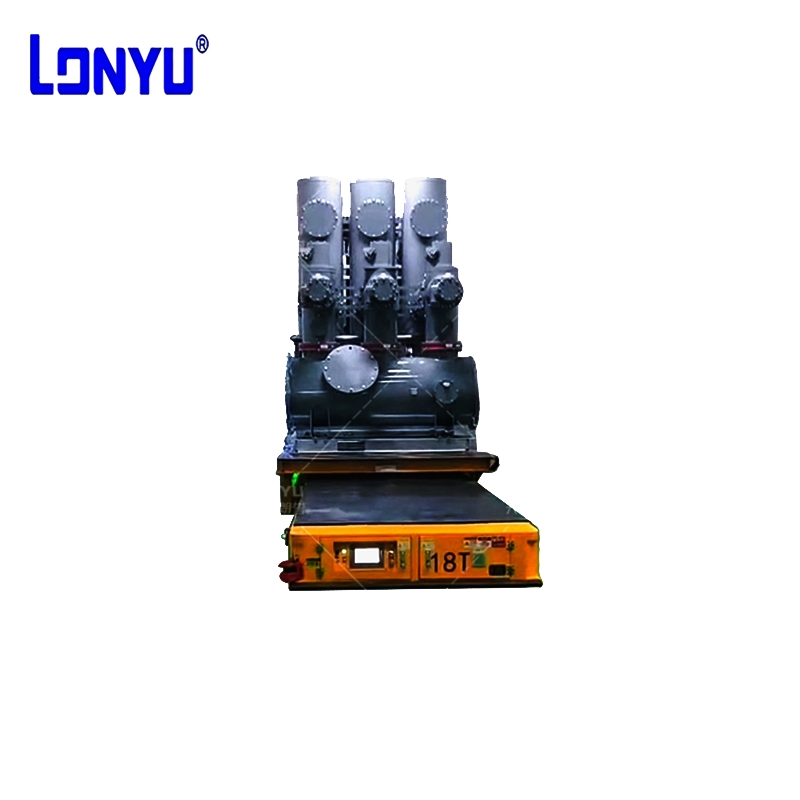
| Rated load: | 18T |
| Body shape: | L7000×W1800×H450mm |
| Operation direction: | Omnidirectional operation |
| Drive mode: | Differential drive |
| Control mode: | Remote control |
| Operation speed: | 0-25m/min |
| Positioning progress: | ±10mm |
| Protection level: | IP54 |
| Lifting height: | 100mm |
| Battery type: | Lithium iron phosphate battery |
| Safety protection: | Five-fold safety protection, non-contact laser obstacle avoidance sensor + mechanical anti-collision touch edge + emergency stop button + sound and light warning + safety warning sign |
The AGV Control system is connected with the MES system With automatic/manual dual insurance scheduling mode. The MES system issues instructions for handling tasks to the AGV scheduling system. Then scheduling system issues instructions for handling to AGV vehicles. After the AGV completes the tasks, it feeds back the completion information to the MES system.
AGV central management software realizes highly intelligent automated management of AGV vehicles by monitoring and control of the running AGV, real-time dynamic monitoring of the position of the AGV vehicle in the electronic map, updating the operating parameters of the AGV, controlling the behavior of the AGV vehicle and implementing traffic control at the intersection.
This automatic charging device is developed to meet the need of frequent material delivery. When its energy is lower than the preset value, the AGV will move to the charging station and communicate with this charging device. After the connection establishment, the charge electrodes will dock with the AGV automatically. The electrodes will be separated automatically when it finishes charging, greatly saving charging time and making the system more automated.
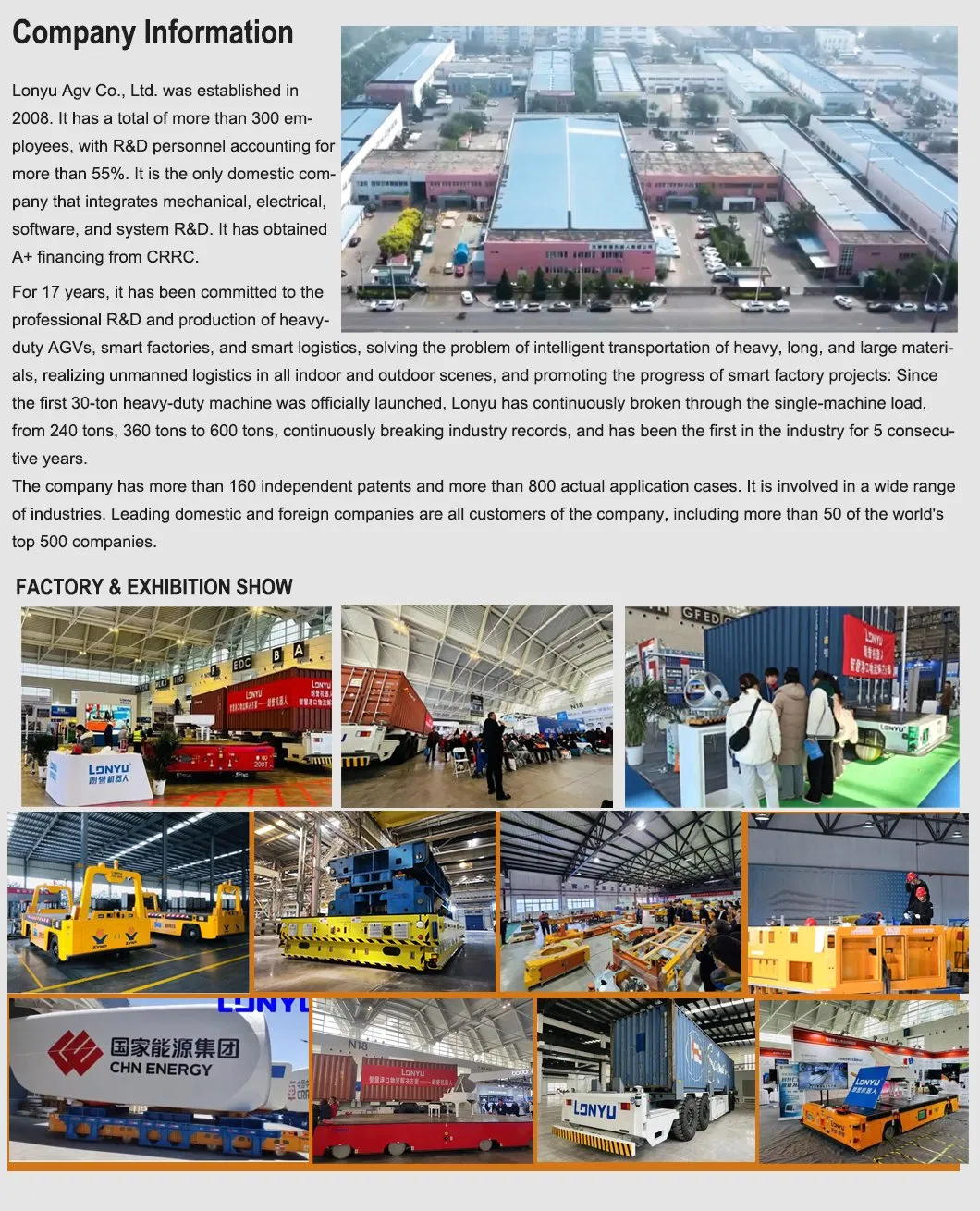
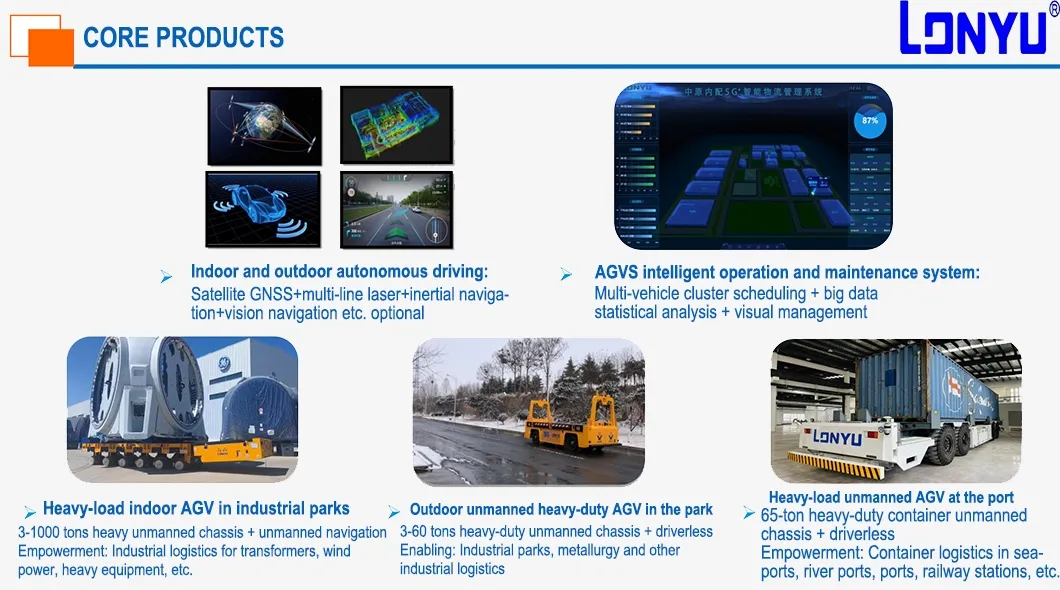
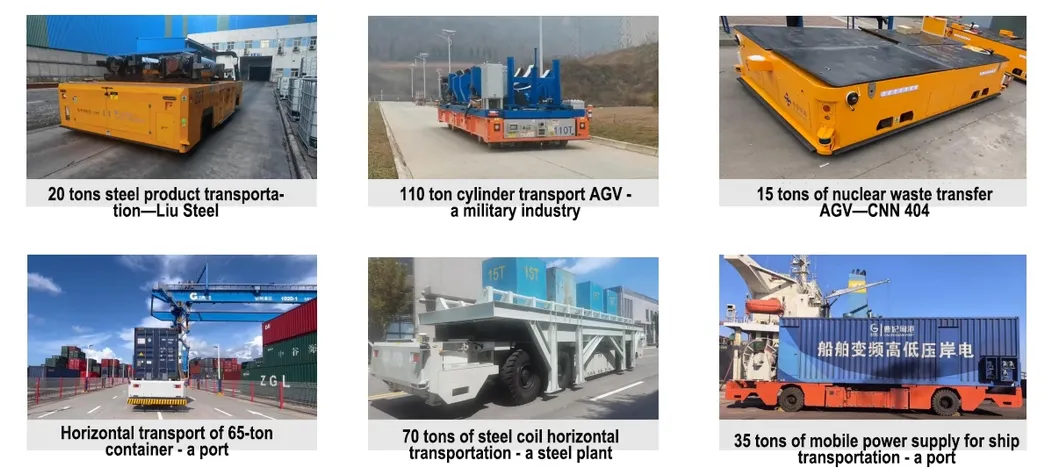
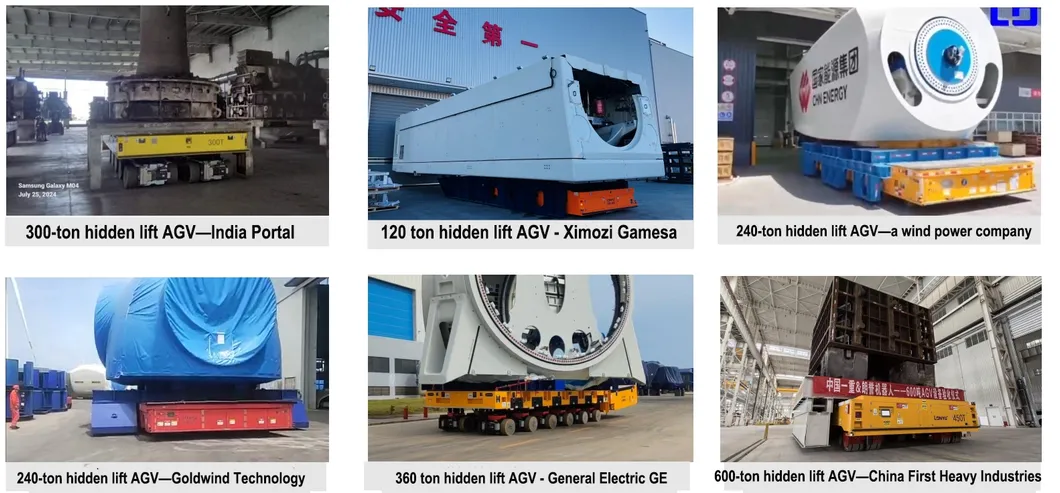
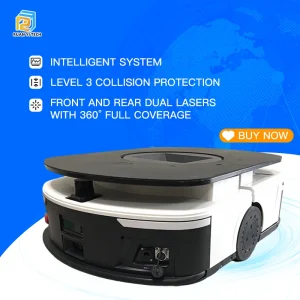
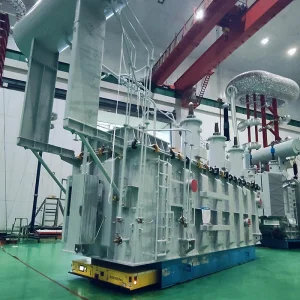
Heavy-duty AGVs are primarily used in warehousing, manufacturing, ports, airports, and special industries to realize the automated handling of large materials, improve logistics automation, and production efficiency.