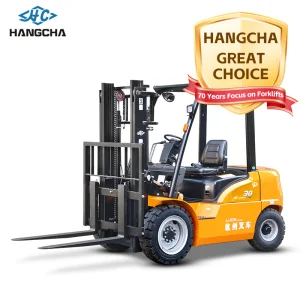
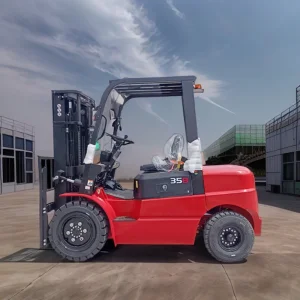
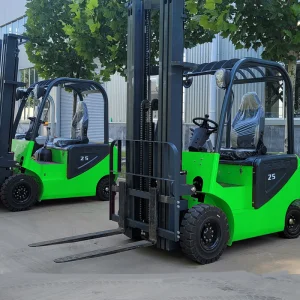
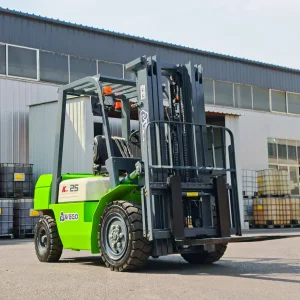
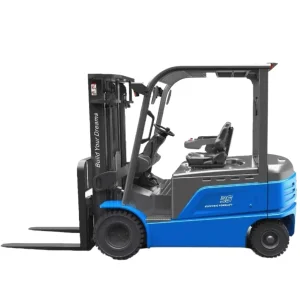
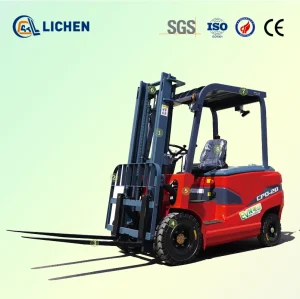
High-efficiency material handling units specifically calibrated for humid climates, port operations, and intense warehouse rotations.
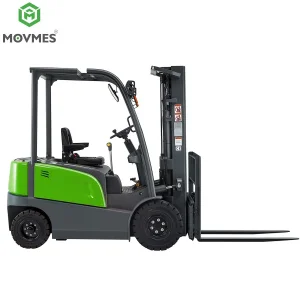
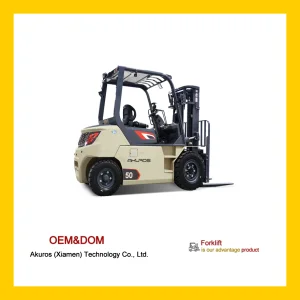
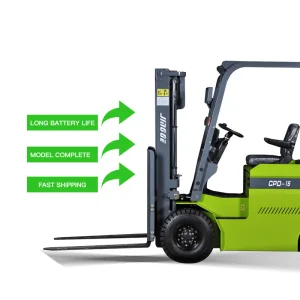
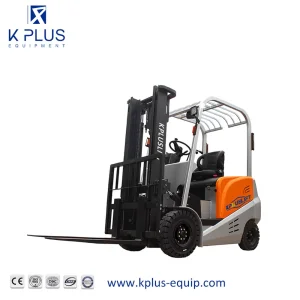
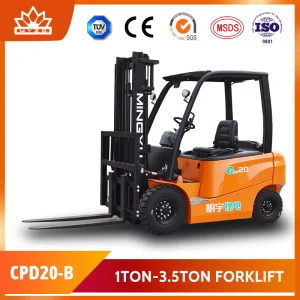
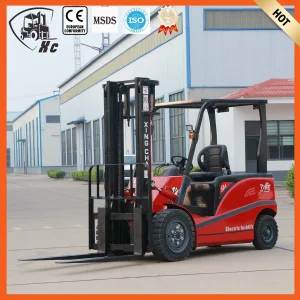
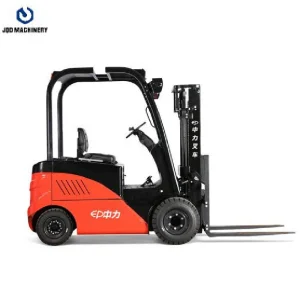
Equatorial Guinea, comprising the mainland Rio Muni region and Bioko Island, is strategically positioned as a logistical gateway in Central Africa. Through major maritime hubs like the Port of Malabo and the Port of Bata, the nation manages significant import-export volumes, dry cargo distribution, and domestic supply chains. Historically dependent on internal combustion (IC) diesel engine forklifts, local logistics centers, cold chain operators, and manufacturing concerns are undergoing a massive technological transition toward clean, quiet, and highly efficient electric counterbalance forklifts.
Under the national economic modernization plan, businesses are prioritizing machinery that reduces operational costs, minimizes greenhouse gas emissions, and works safely in indoor environments like food storage facilities, pharmaceutical distribution nodes, and air cargo hangers. With the rapid development of solar power generation and grid upgrades in Malabo II and continental Bata, battery-powered heavy equipment has become a commercially viable and ecologically sound option for forward-thinking procurement teams.
Perfect for enclosed logistics facilities, cold rooms, and clean-room industrial processes where exhaust fumes pose a safety hazard to local staff.
Up to 70% reduction in lifetime energy costs and nearly 80% reduction in maintenance costs compared to older diesel or LPG platforms.
Equatorial Guinea is subject to a tropical rainforest climate characterized by high humidity, constant rainfall, and elevated average temperatures. Choosing the right energy storage system for your forklift fleet directly affects system runtime, battery cycle longevity, and safe material handling.
LiFePO4 chemical composition represents the zenith of modern battery efficiency. For West African operations, Lithium offers severe advantages:
Although the initial capital expenditure (CAPEX) for Lithium is higher, the rapid charging capabilities and virtual absence of daily maintenance yield a return on investment (ROI) within 18 months under dual-shift operations in Bata or Malabo.
Lead-Acid remains a standard, cost-effective power supply technology globally, but presents distinct operational constraints in tropical zones:
Lead-Acid models are well-suited for single-shift facilities that do not require continuous machine availability, and where capital budgets demand a lower initial purchasing cost.
Equatorial Guinea presents complex physical challenges to heavy machinery. Direct equatorial exposure, salt spray along coastal docks in Bata and Luba, and heavy rainfall mean that standard domestic warehouse forklifts will suffer premature corrosion and electrical faults if not correctly customized.
Critical electronic drive components, including the electric traction controller (Curtis or Zapi), heavy duty hydraulic pump motor, and electric steering control systems are fully enclosed against moisture intrusion during heavy tropical downpours.
Masts, chassis components, and undercarriages are treated with specialized epoxy anti-corrosive primer systems and marine-grade polyurethane finish coats, shielding components from the high salinity of Bata’s ocean-facing logistical ports.
Equipped with thermal-management electronics that protect the electric motors from high-heat degradation. Integrated cooling systems monitor high-load operational parameters, ensuring safe use during consecutive shifts.
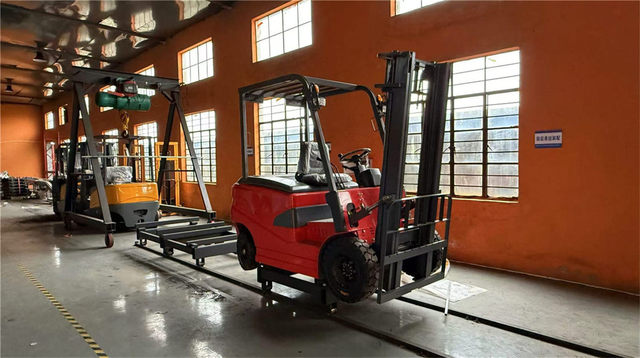
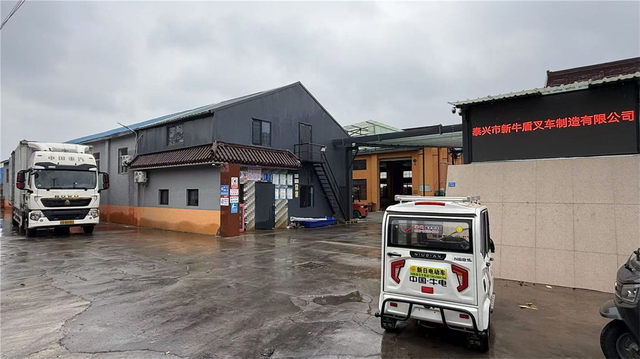
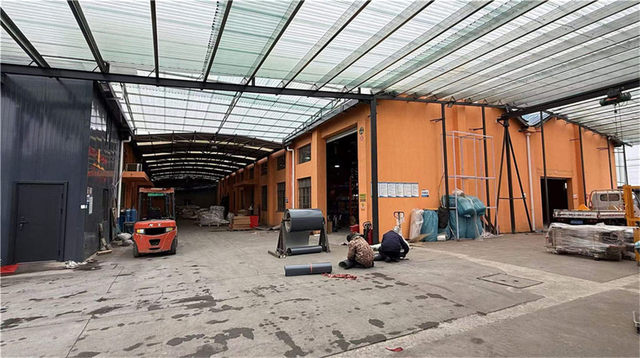
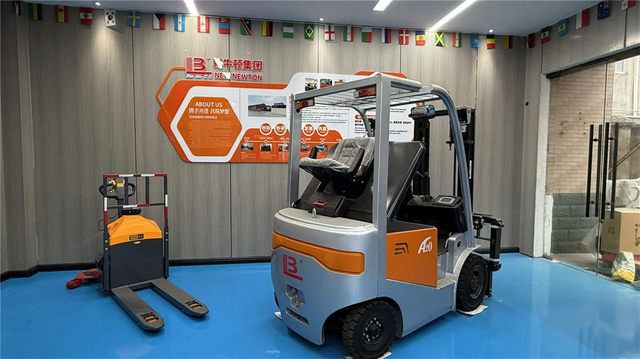
Qingdao Nauti Lift Co., Ltd. is a professional manufacturer specializing in electric and internal combustion forklifts, as well as comprehensive warehouse equipment and material handling solutions. Located in Qingdao, China, the company benefits from a strategic coastal position and a well-developed industrial supply chain, enabling efficient production and global distribution.
With a strong focus on innovation and reliability, Nauti Lift offers a wide range of products, including electric forklifts, diesel and LPG forklifts, warehouse stackers, pallet trucks, and customized material handling equipment. Our solutions are widely used in logistics centers, manufacturing plants, ports, and distribution warehouses, helping customers improve operational efficiency and reduce handling costs.
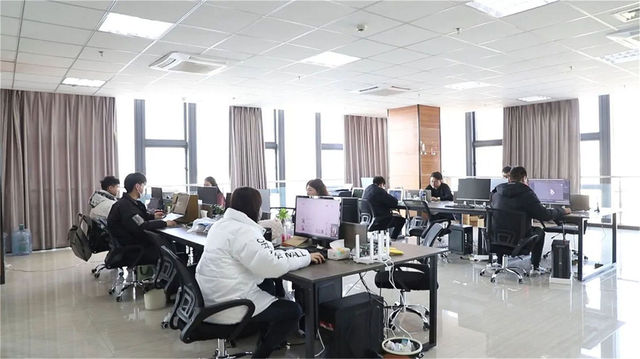
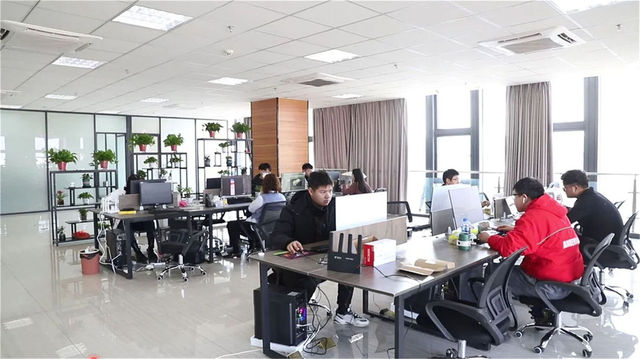
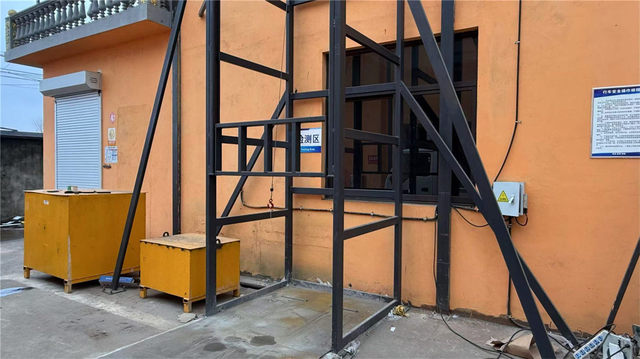
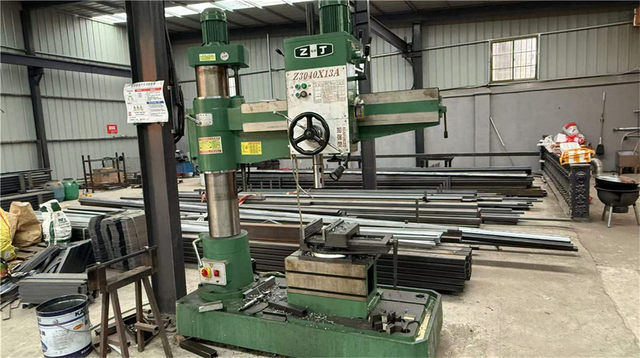
Equipped with modern manufacturing facilities and advanced assembly lines, we implement strict quality control systems to ensure durability, safety, and performance in every product. Our engineering team continuously works on optimizing energy efficiency, ergonomic design, and intelligent control systems to meet evolving market demands.
In addition to high-quality products, Qingdao Nauti Lift Co., Ltd. provides comprehensive OEM and ODM services, offering flexible customization to suit different applications and regional requirements. Guided by a customer-first philosophy, we are committed to delivering reliable material handling solutions and building long-term partnerships with clients worldwide.
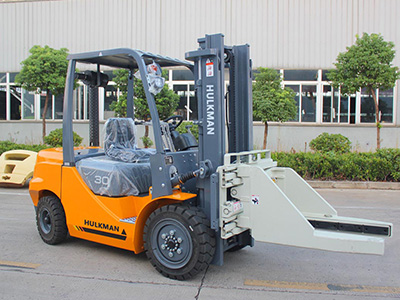
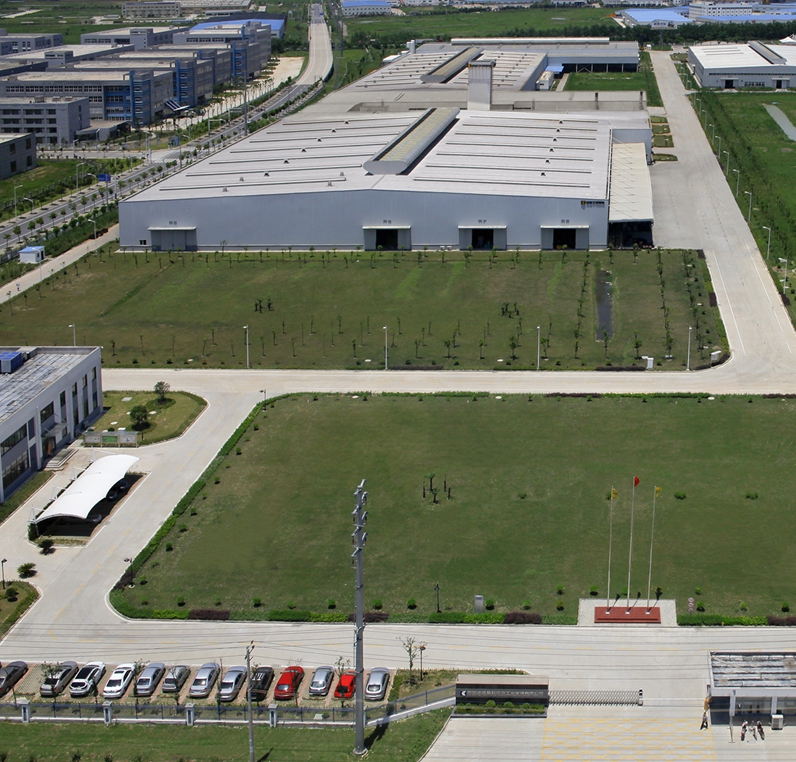
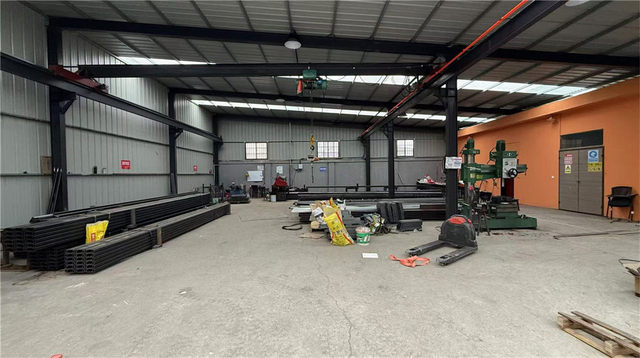
Navigating the import process of heavy machinery into Equatorial Guinea requires a deep understanding of regional regulations and engineering specifications. Our engineering team designs machines customized to the precise demands of West and Central African standards:
For large construction networks, oil and gas supply companies, and regional distributor chains in Equatorial Guinea, Nauti Lift offers a structured procurement framework. We support flexible shipping terms (FOB, CIF, CFR) directly from the Port of Qingdao to Bata Port or Malabo Port. With optimized roll-on/roll-off (RoRo) and containerized loading protocols, shipping costs are kept to an absolute minimum while preventing seawater-based corrosion during oceanic transit.
Download Procurement GuideDiscover our extensive range of high-efficiency material handling vehicles, matching capacities from 1.5 tons up to heavy industrial 100-ton configurations.
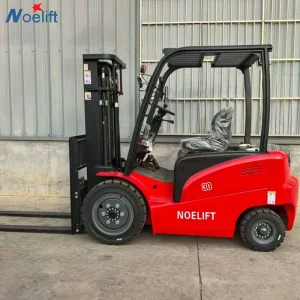
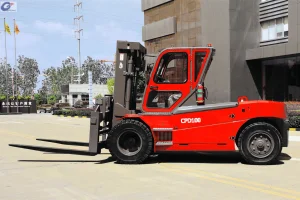
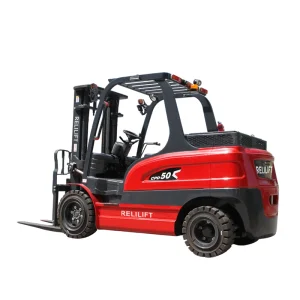
Get immediate answers to the technical, logistical, and structural questions surrounding the import and utilization of electric counterbalance forklifts in Equatorial Guinea.
 Nauti Lift