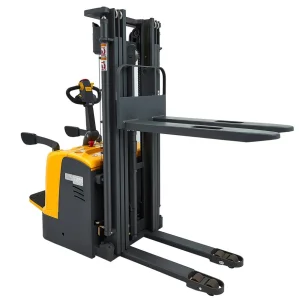
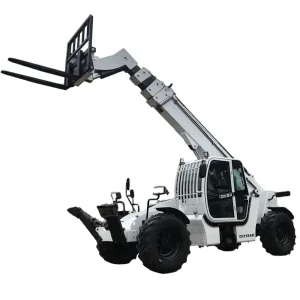
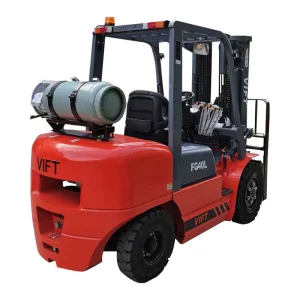
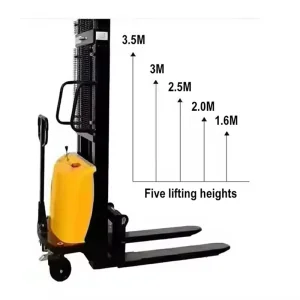
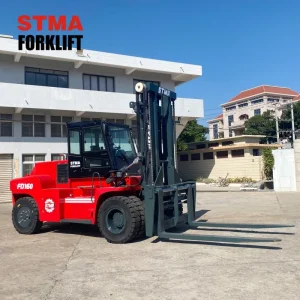
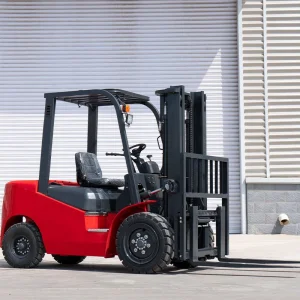
Engineered for high performance, efficiency, and compliance. Explore our primary range of global-ready stackers, loaders, and customizable warehouse solutions.
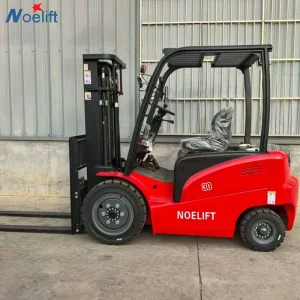
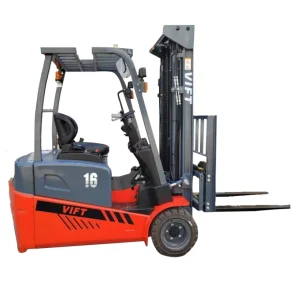
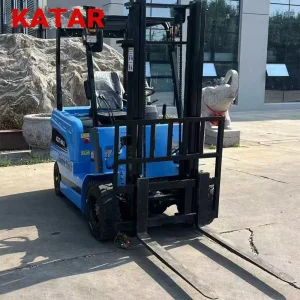
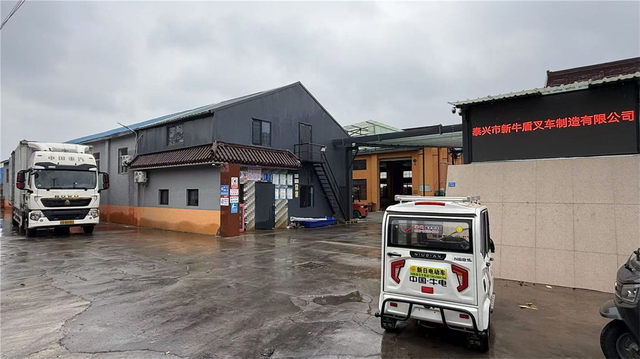
Qingdao Nauti Lift Co., Ltd. is a professional manufacturer specializing in electric and internal combustion forklifts, as well as comprehensive warehouse equipment and material handling solutions. Located in Qingdao, China, the company benefits from a strategic coastal position and a well-developed industrial supply chain, enabling efficient production and global distribution.
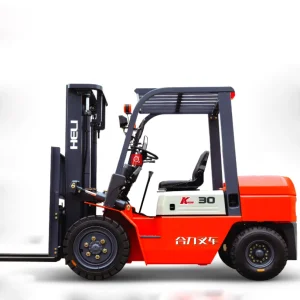
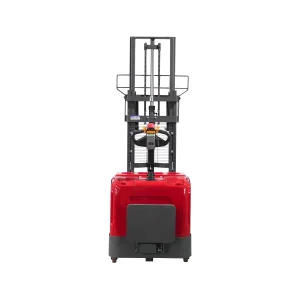
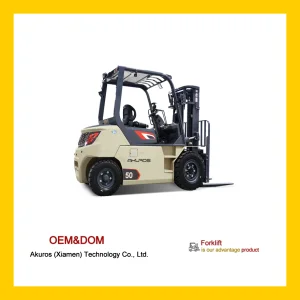
With a strong focus on innovation and reliability, Nauti Lift offers a wide range of products, including electric forklifts, diesel and LPG forklifts, warehouse stackers, pallet trucks, and customized material handling equipment. Our solutions are widely used in logistics centers, manufacturing plants, ports, and distribution warehouses, helping customers improve operational efficiency and reduce handling costs.
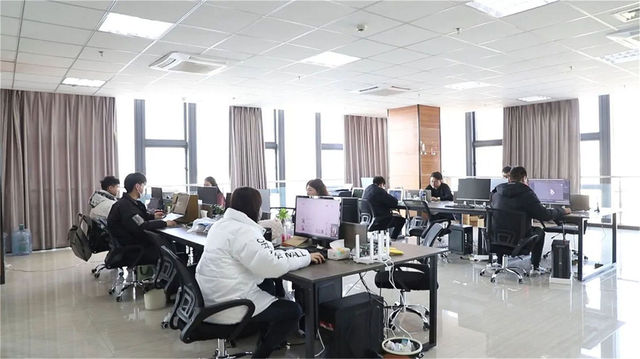
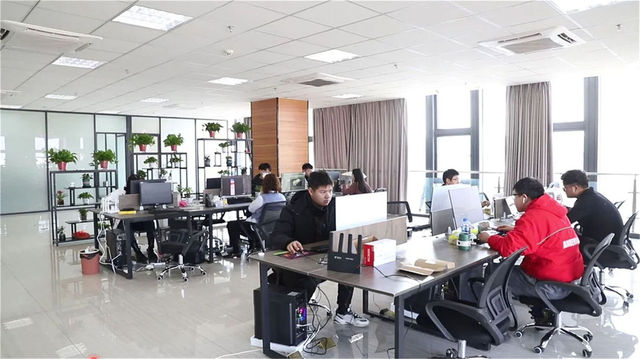
Equipped with modern manufacturing facilities and advanced assembly lines, we implement strict quality control systems to ensure durability, safety, and performance in every product. Our engineering team continuously works on optimizing energy efficiency, ergonomic design, and intelligent control systems to meet evolving market demands.
In addition to high-quality products, Qingdao Nauti Lift Co., Ltd. provides comprehensive OEM and ODM services, offering flexible customization to suit different applications and regional requirements. Guided by a customer-first philosophy, we are committed to delivering reliable material handling solutions and building long-term partnerships with clients worldwide.
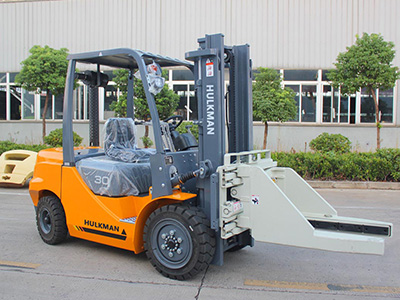
Pioneering the next era of industrial logistics through cutting-edge Proton Exchange Membrane (PEM) engineering and zero-carbon integration.
Hydrogen Fuel Cell Forklifts represent a paradigm shift from electrochemical storage (traditional lead-acid and lithium-ion batteries) to on-board continuous electrochemical generation. By combining compressed hydrogen gas with atmospheric oxygen across a catalyst-coated membrane, the system generates high-amperage electricity with pure water vapor and heat as the sole exhaust byproducts.
Our ongoing technical roadmap targets three key technical benchmarks:
Achieving system efficiencies of up to 55%, with native compatibility across standard warehouse control modules and cold-temperature thermal jackets.
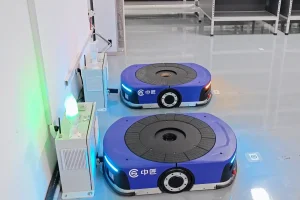
Interfacing hydrogen fuel status telemetry directly with automated guided vehicle (AGV) dispatch systems for autonomous robotic docking at central refueling points.
Designing modular onsite electrolyzer linkages, enabling multi-national enterprises to produce fuel directly from on-roof solar arrays.
Deploying hydrogen-powered material handling equipment to solve systemic productivity bottlenecks in logistics and cold-chain supply operations.
Unlike lithium batteries which lose up to 30% of their operational run-time in temperatures below 0°C, PEM fuel cell systems generate natural heat during conversion. This waste heat is captured and recirculated to maintain ideal operating temperatures for key electrical systems, securing constant output down to -30°C.
Eliminate battery swapping rooms, battery cooling areas, and idle charging bays. Fuel cell material handling equipment can be refueled at automated dispensaries in 180 seconds flat, ensuring near-100% equipment availability over triple-shift factory schedules.
For operations requiring lifting capacities of 5 tons and above, hydrogen configurations offer power output density that remains flat throughout the duty cycle. Operators receive identical throttle and lifting responsiveness at 5% fuel capacity as they do at 100%.
How our optimized production lines and coastal location deliver unrivaled quality assurance, quick turnaround times, and competitive unit economics.
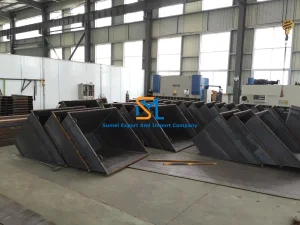
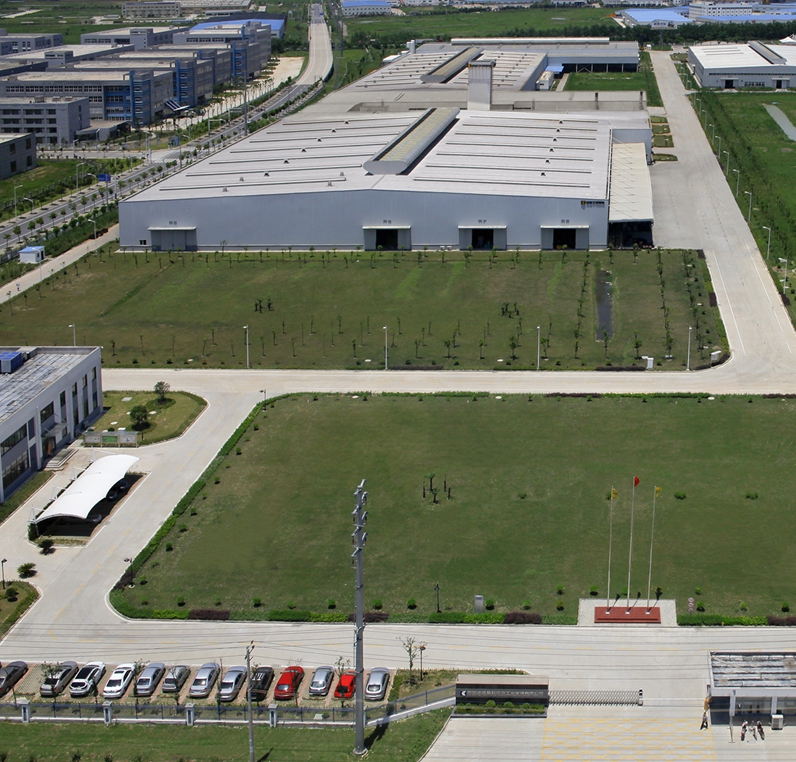
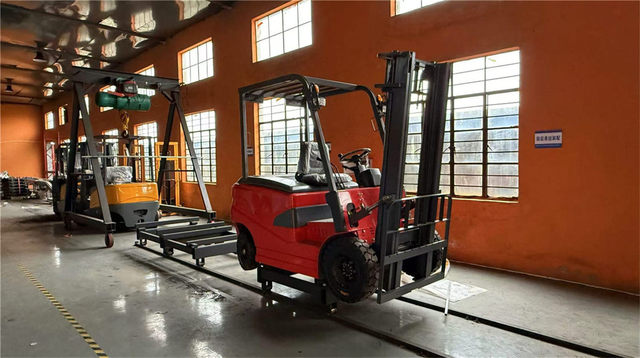
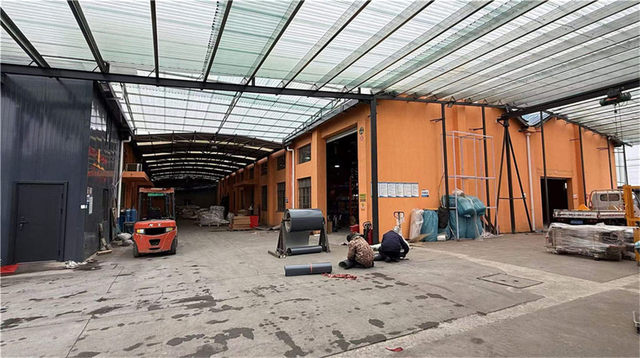
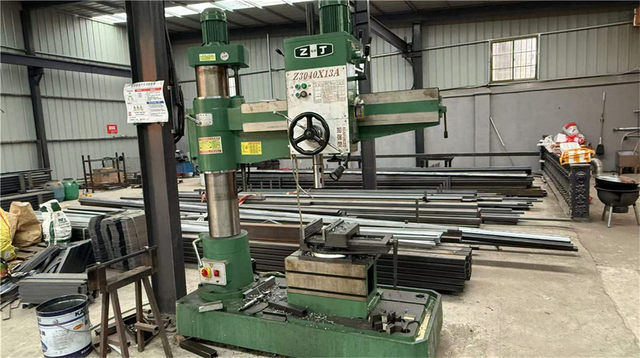
Operating out of our advanced industrial complex in Qingdao, China, Nauti Lift implements automated precision manufacturing. By employing robotic steel-cutting, automated welding rigs, and advanced ultrasonic testing setups, we maintain structure consistency across all chassis components.
Our location in Qingdao provides significant advantages for global operations:
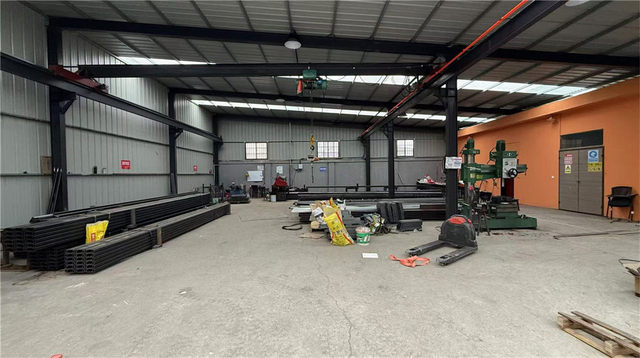
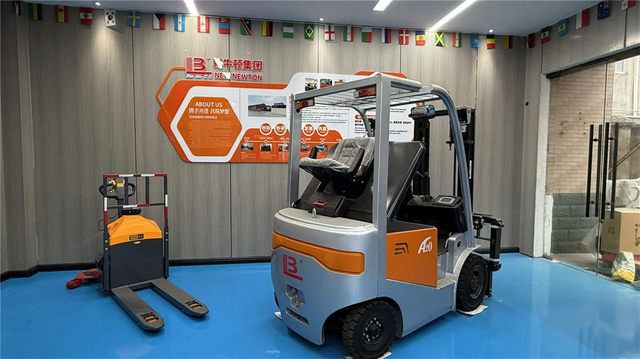
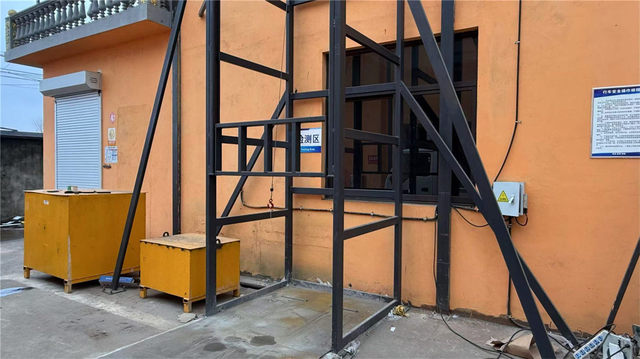
View our state-of-the-art facilities, assembly stages, testing labs, and high-performance equipment waiting for export dispatch.
Ensuring that our equipment integrates seamlessly, legally, and safely into your regional regulatory environment.
Every fuel cell forklift and electric stacker exported from Nauti Lift features complete Conformité Européenne (CE) markings. Our systems conform to the European Machinery Directive (2006/42/EC), Low Voltage Directive (2014/35/EU), and Electromagnetic Compatibility Directive (2014/30/EU). In hydrogen storage applications, safety containment is certified according to the Pressure Equipment Directive (2014/68/EU), verifying containment under extreme structural stress.
To support global procurement, Nauti Lift offers a multi-layered post-sale infrastructure:
Review the comparative operating dynamics and Total Cost of Ownership (TCO) benchmarks of competing power technologies.
| Evaluation Parameter | PEM Hydrogen Fuel Cell | Lithium-Ion Battery | Lead-Acid Battery | LPG / Propane / Diesel |
|---|---|---|---|---|
| Refueling / Charging Time | 2 - 5 Minutes | 1 - 2 Hours (Fast charge) | 8 Hours Charge + 8 Hours Cool | 5 Minutes |
| Usable Energy Efficiency | High (Flat discharge curve) | High (Reduces at < 15% charge) | Medium (Significant voltage drops) | Low (Thermal combustion loss) |
| Operational Lifespan | Up to 20,000 stack hours | 3,000 - 5,000 cycles | 1,000 - 1,500 cycles | 15,000 operating hours |
| Performance in Cold Storage | Excellent (Self-heating stack) | Degraded (-20% to -30% output) | Severely Degraded (-50% output) | Not recommended (Emissions) |
| Infrastructure Footprint | Small outdoor gas storage station | Electrical distribution upgrades | Large indoor ventilation charge rooms | Hazardous fuel canister warehouse |
| Direct Tailpipe Emissions | Zero (Pure Water & Heat) | Zero (On-site generation zero) | Toxic lead fumes & acid spill risk | CO2, NOx, and Particulate Matter |
Addressing the critical structural, safety, economic, and logistical questions raised by global supply chain coordinators during technology evaluations.
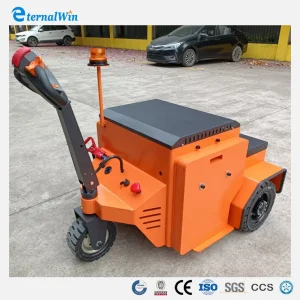
Explore our industrial range of high-capacity container handlers, electric tow tractors, and off-road articulating lift units.
 Nauti Lift