In today's rapidly changing logistics landscape, understanding how to optimize warehouse space utilization is critical. Reports indicate that efficient space usage can enhance operational efficiency by 30% and lower costs significantly. A study by the Warehousing Education and Research Council (WERC) highlights that over 50% of warehouses are using their space inefficiently. This stark statistic calls for immediate attention.
The challenge lies in balancing storage, technology, and workflow effectively. Implementing smart storage solutions can dramatically improve your operations. Innovative racking systems, such as drive-in and pallet flow, can free up considerable space. Integrating warehouse management systems (WMS) can further refine picking processes and reduce unnecessary movement. However, many businesses struggle to adopt these changes fully.
Reflecting on these gaps reveals the importance of strategy in optimizing space. The journey may involve trial and error. Yet, addressing these inefficiencies not only improves bottom lines, but also enhances overall productivity. Understanding how to optimize warehouse space utilization remains an ongoing challenge for many operators today.
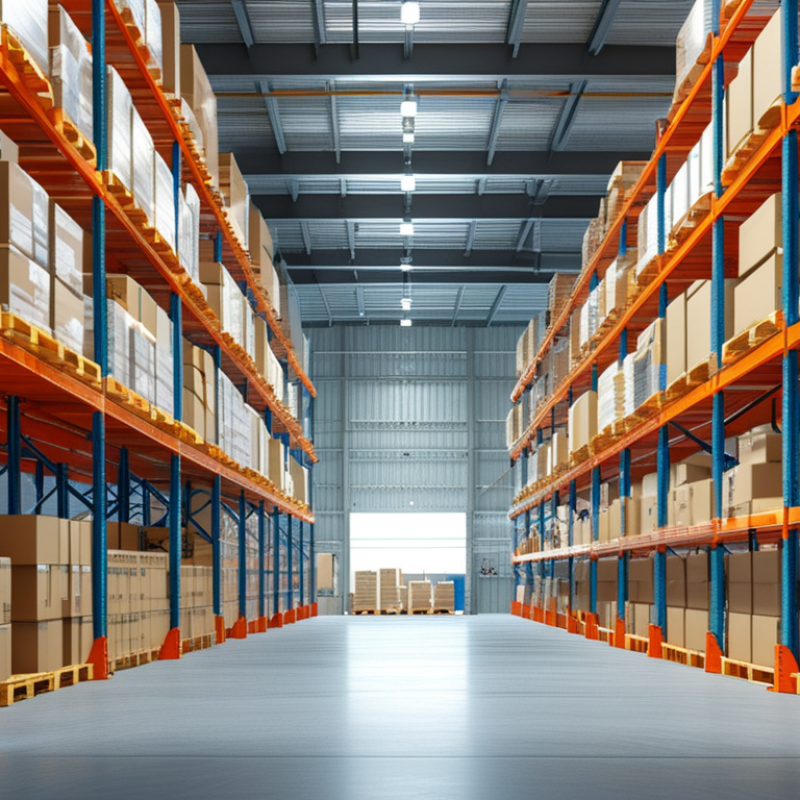
Warehouse space utilization is crucial for operational efficiency. Properly optimizing this space not only reduces costs but also enhances workflow. A well-organized warehouse can improve inventory management and speed up order fulfillment. When every square foot is used effectively, it leads to smoother operations.
Understanding how to measure and improve space utilization is key. This involves analyzing the layout, shelving units, and inventory turnover. Companies often struggle with inefficient layouts. Poor organization can lead to wasted time and effort. Evaluating vertical space is essential but often overlooked. Utilizing shelves and racks up to the ceiling maximizes available space.
Moreover, investing in technology can aid in tracking and managing inventory more accurately. However, the balance between technology and human oversight is important. Over-reliance on automated systems may lead to errors. Regular assessments of space utilization practices help identify gaps. Companies must be willing to adapt as needs change. A flexible approach fosters improvement over time.
Analyzing the current space layout of a warehouse can reveal unexpected optimization opportunities. Start by mapping out the entire floor plan. Use a simple tool or even paper to visualize storage locations and pathways. This overview helps identify underutilized spaces. High racks often remain empty because they are hard to access. Alternatively, low shelves may be overpacked. Recognizing these patterns can lead to more efficient use of vertical and horizontal space.
Another key aspect is understanding the flow of goods. Examine how items move through the warehouse. Are certain areas congested? This might suggest a poor layout. Try reorganizing frequently accessed products closer to shipping areas. Additionally, consider whether the layout accommodates seasonal stock fluctuations. Seasonal items might need their own dedicated space during peak periods, reducing the chaos in regular storage areas.
Don't forget to involve warehouse staff in the layout evaluation. They know the day-to-day challenges better than anyone. Encourage them to share insights on equipment placement and aisle widths. They might identify awkward sections that hinder movement. Sometimes, small adjustments can lead to significant improvements. Embracing a flexible mindset allows for continuous enhancement of space utilization.
Implementing vertical storage solutions can dramatically enhance warehouse space utilization. By maximizing vertical space, businesses can store more items without expanding their footprint. This approach not only improves efficiency but also streamlines inventory management.
Consider using shelving units that reach your facility's ceiling. These can hold seasonal items or less frequently accessed stock. Employing automated systems can also help. They deliver items quickly and reduce the need for excessive walking and searching.
To achieve optimal space utilization, it's essential to conduct a thorough analysis of your current layout. Assess the height and accessibility of storage solutions. Investing in quality materials is crucial to ensure safety and durability. A multi-layered storage system may work wonders. Reflect on whether your current strategy is effective or needs adjustments. Small changes can lead to significant improvements in space management.
Advanced technology plays a crucial role in optimizing warehouse space utilization. Effective inventory tracking and management can significantly enhance operational efficiency. With the use of automated systems, companies can gather real-time data on stock levels. This allows for better decision-making and reduces the likelihood of overstocking or stockouts.
Implementing barcode scanning or RFID technology is essential for precise inventory management. These tools eliminate manual entry errors and provide instant access to critical information. However, training staff to use these technologies can be challenging. Without proper training, the full benefits of these systems may not be realized.
Additionally, data analytics can enhance inventory strategies. Analyzing trends helps identify slow-moving items and seasonal demands. Yet, relying solely on historical data can be misleading. It’s vital to combine these insights with market intelligence for a more comprehensive view of inventory needs. Balancing technology with human judgment is the key to effective warehouse management.
Regularly reviewing and adjusting space allocation strategies is key to optimizing warehouse space utilization. Industry studies show that poor space management can lead to an increase in operational costs by up to 30%. To combat this, warehouses should examine their layout and stock placement frequently. This ensures that the most frequently accessed items are easily reachable, minimizing time wasted in search efforts.
One effective tip is to use a slotting system. This method involves categorizing products based on demand. Fast-moving items should be placed closer to shipping areas. Monitoring sales data can help identify these items. Another useful approach is to adopt vertical space. Utilizing shelving systems can create additional storage without expanding the facility.
Furthermore, consistent audits of space usage reveal insights about inefficiencies. Sometimes, outdated processes linger, resulting in unnecessary square footage being occupied. Regularly collecting feedback from warehouse staff can lead to better space management techniques. Storing infrequently used items in less accessible areas can free up prime space for fast-moving inventory. By implementing these tips, warehouses can see significant improvements in space efficiency.
| Tip No. | Tip | Description | Frequency of Review |
|---|---|---|---|
| 1 | Conduct Regular Audits | Assess space usage to identify inefficiencies. | Monthly |
| 2 | Implement Vertical Storage | Use vertical space with shelving and racking. | Quarterly |
| 3 | Optimize Inventory Management | Use inventory systems to track and manage stock. | Weekly |
| 4 | Use Mobile Shelving | Install mobile shelving systems to maximize space. | Annually |
| 5 | Streamline Picking Paths | Minimize travel time with efficient layout. | Bi-Annually |
| 6 | Utilize Pallet Racking Systems | Maximize floor space by using pallet racks. | Annually |
| 7 | Leverage Technology Solutions | Employ software for tracking and optimizing space. | Quarterly |
| 8 | Consider Seasonal Storage Needs | Adjust space as per seasonal inventory fluctuations. | Seasonally |
| 9 | Focus on Safety and Accessibility | Ensure pathways are clear and safe for movement. | Monthly |
| 10 | Regularly Train Staff | Provide ongoing training on best practices. | Ongoing |
: It enhances operational efficiency and reduces costs while improving inventory management.
Analyze the warehouse layout, shelving units, and monitor inventory turnover rates regularly.
Inefficient layouts and poor organization can lead to wasted time and resources.
Use shelves and racks up to the ceiling to increase storage capacity.
Advanced technology helps track inventory accurately, providing real-time data for decisions.
Proper training prevents errors and ensures that the full benefits of systems are realized.
Regular reviews help identify inefficiencies and adjust layouts for better accessibility.
It categorizes products by demand, placing fast-moving items closer to shipping areas.
They reveal insights into inefficiencies and outdated processes that waste space.
Regular input on space management can lead to better techniques and enhanced efficiency.
Optimizing warehouse space utilization is crucial for enhancing operational efficiency and reducing costs. To begin with, understanding the current layout of your warehouse is essential, as it highlights areas where space can be better utilized. By assessing this, businesses can identify opportunities for reconfiguration. Implementing vertical storage solutions can further maximize available space, allowing for increased inventory capacity without expanding the physical footprint.
Additionally, leveraging advanced technology for inventory tracking and management streamlines processes and ensures optimal space allocation. Regularly reviewing and adjusting these strategies based on changing needs can lead to sustained improvements in space utilization. Ultimately, learning how to optimize warehouse space utilization involves a combination of strategic planning and technological integration, paving the way for a more efficient warehousing operation.

Nauti Lift