Choosing the right forklift for a warehouse is crucial for operational efficiency. In 2022, the global forklift market was valued at approximately $50 billion, emphasizing the importance of proper equipment selection. An inappropriate choice can lead to inefficiencies, increased costs, and safety risks. For instance, a mismatch in forklift capacity can result in damage to goods, or worse, accidents on the warehouse floor.
Understanding how to choose the right forklift for a warehouse incorporates various factors. These include load type, weight, and storage configuration. Different forklifts serve different purposes. Electric forklifts are ideal for indoor use, while diesel options perform better outdoors. According to the Material Handling Industry Association (MHIA), over 80% of warehouses report a need for specialized forklifts based on their unique operations.
Even with accurate data, mistakes happen often. For example, a warehouse manager may prioritize cost over functionality, ultimately leading to higher long-term expenses. Therefore, knowing how to assess needs and select the appropriate forklift can enhance productivity and safety in any warehouse setting.
Understanding Your Warehouse Space and Layout Needs
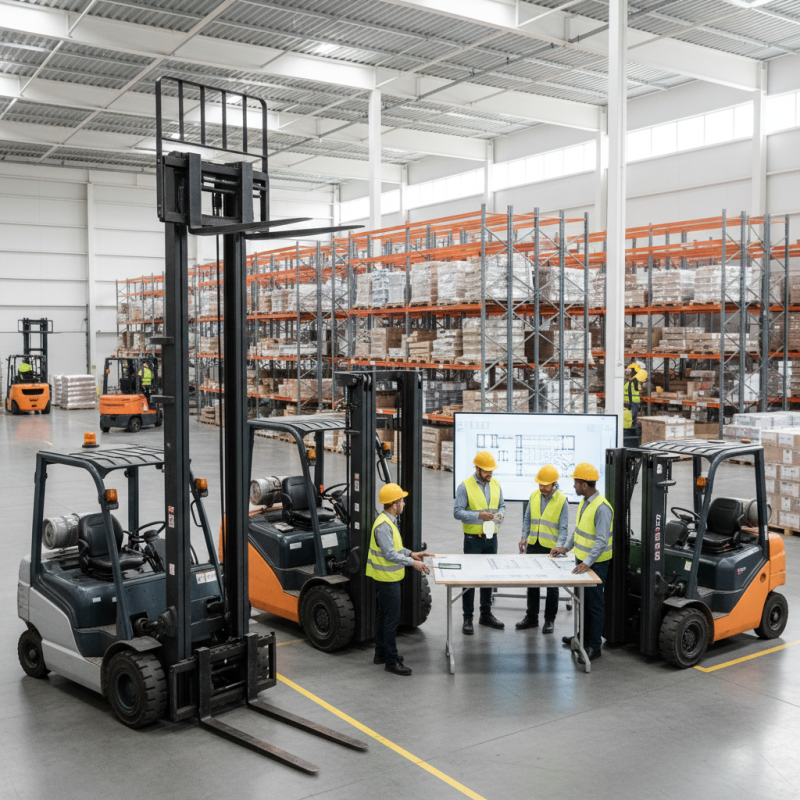
Understanding the layout and space of your warehouse is crucial for effective operations. Before choosing a forklift, take a close look at your warehouse dimensions. Measure aisle widths, height restrictions, and storage configurations. Each of these factors will impact the type of forklift you can use. Efficient movement within tight spaces is essential. If aisles are too narrow, a standard forklift might not operate effectively.
Consider the height of your racking systems. Selecting a forklift that suits these heights can save time and reduce damage. Make sure to include space for maneuvering. Forklifts require clearance not just for the trucks themselves but also for the operators.
Also, think about your inventory. Are you moving pallets, boxes, or bulk items? Different products might need different types of forklifts, affecting your choice. This consideration can seem overwhelming initially. However, taking the time to analyze these factors leads to more informed decisions. Rushing into a choice could result in operational inefficiencies. Each warehouse has unique demands, and understanding yours will guide you effectively.
Evaluating Different Types of Forklifts Available
When evaluating different types of forklifts for your warehouse, it's essential to consider the unique needs of your operation. Think about the weight capacity required. Some warehouses demand heavy lifting, while others can manage with lighter models. Take the time to analyze your load specifications.
Electric forklifts offer quiet operation and reduced emissions, ideal for indoor use. They provide great maneuverability in narrow aisles. On the other hand, internal combustion forklifts excel in outdoor settings and heavy-duty tasks. These machines can handle rough terrain, but they can be noisy and emit fumes. This trade-off between power and environmental impact should inform your choice.
Consider the turning radius and height capabilities as well. A forklift that fits your space is crucial. A compact model might be needed in close quarters, whereas larger areas can accommodate bigger units. Reflecting on your layout may save time and enhance efficiency. Ultimately, understanding each type’s strengths and limitations allows you to make a more informed decision.
Key Specifications to Consider for Performance and Safety
When choosing the right forklift for your warehouse, focusing on key specifications is essential. Start with the lifting capacity. Most forklifts range from 3,000 to 10,000 pounds. Ensure that the selected model can handle your heaviest loads safely. Overloading a forklift can lead to accidents and damage to goods, which is something to reflect on during your choice.
Another critical factor is the type of fuel. Forklifts come in electric, diesel, and propane options. Electric models are quieter and cleaner but may not suit heavy-duty applications. Diesel models provide power but can be cumbersome indoors. Think about your environment and usage. Safety features, such as stability systems and operator visibility, should also be a priority. A forklift that lacks good visibility can increase accident risks, a point worth pondering.
Consider the turning radius and height capability of the forklift. In tight warehouse spaces, a smaller turning radius is beneficial. Also, remember to evaluate the maintenance requirements. Some forklifts may require more upkeep than others, leading to increased costs. Reflecting on these insights can guide you toward a more informed forklift choice, balancing performance and safety effectively.
Top 10 Tips for Choosing the Right Forklift for Your Warehouse
Assessing Maintenance and Operating Costs of Forklifts
Selecting the right forklift for your warehouse requires careful consideration of maintenance and operating costs. Industry reports indicate that maintenance expenses can account for up to 15% of a forklift's total operating cost. This statistic emphasizes the need to select models that are not only reliable but also easy to service. The frequency of required maintenance is critical; for instance, electric forklifts often need less maintenance than their internal combustion counterparts.
Operational costs also play a significant role in the decision-making process. According to the Forklift Action website, the average cost to operate a forklift can range from $1,500 to $4,500 annually. This variation can be influenced by factors such as fuel type, usage intensity, and workforce training. Poorly trained operators can lead to increased wear and tear, raising maintenance costs.
Furthermore, consider the long-term implications of your choice. While a cheaper model may seem appealing upfront, it might incur higher costs over time due to frequent repairs. Delaying maintenance can also lead to larger issues. Therefore, investing in reliable models with lower lifetime operating costs is crucial. The importance of a thorough assessment cannot be overstated; an informed choice today can drive efficiency and cost savings in the long run.
Choosing the Right Forklift Supplier and Support Services
Choosing the right forklift supplier and support services is crucial for warehouse efficiency. An informed decision impacts productivity, safety, and costs. Research shows that effective equipment support can reduce downtime by up to 20%. Businesses should evaluate suppliers based on their reputation, service offerings, and response time. Look for partners with strong customer testimonials to evaluate their reliability.
Tip 1: Assess the supplier's maintenance services. Regular maintenance prevents costly breakdowns. Ensure they have a solid track record in timely service, as delays can disrupt operations.
Tip 2: Check for training programs. A knowledgeable workforce is essential. Suppliers should offer training on safe operation and maintenance, aligning with industry standards.
The choice of a forklift supplier can significantly affect operational success. Not all suppliers provide the same level of service, which can make a difference in your daily operations. Ensure open communication and support availability. It’s essential to ask tough questions and not settle for vague answers. This clarity will enhance trust and collaboration.
China Top 10 Tips for Choosing the Right Forklift for Your Warehouse
| Tip No. |
Tip Description |
Considerations |
Support Services |
| 1 |
Assess Load Capacity |
Ensure the forklift can handle maximum load weight. |
Check for warranty and maintenance services. |
| 2 |
Evaluate Forklift Type |
Choose between electric, diesel, or LPG forklifts. |
Inquire about training for operators. |
| 3 |
Consider Forklift Size |
Measure aisle width and height of storage racks. |
Look for 24/7 support options. |
| 4 |
Analyze Fuel Efficiency |
Consider operational costs related to fuel consumption. |
Confirm availability of spare parts. |
| 5 |
Examine Safety Features |
Look for features such as seat belts andanti-tip systems. |
Check if safety training is included. |
| 6 |
Review Ergonomics |
Ensure controls are easy to reach and operate. |
Ask about operator comfort programs. |
| 7 |
Consider Attachment Options |
Determine if you need attachments like clamps or booms. |
Evaluate aftermarket support for attachments. |
| 8 |
Check Maintenance History |
Review past maintenance records if buying used. |
Ensure solid customer service history. |
| 9 |
Assess Brand Reputation |
Research manufacturer reviews and experiences. |
Look for awards or recognition in the industry. |
| 10 |
Calculate Total Cost of Ownership |
Include purchase price, maintenance, and operation costs. |
Discuss financing options available. |
FAQS
: Measure aisle widths, height restrictions, and storage configurations in your warehouse.
The layout affects forklift choice, efficiency, and movement within tight spaces.
Different products like pallets or bulk items require various types of forklifts.
They operate quietly, reduce emissions, and are ideal for narrow aisles indoors.
Electric, diesel, and propane have pros and cons based on your environment and load.
It determines if the forklift can safely handle your heaviest loads, preventing accidents.
Good visibility and stability systems reduce accident risks and enhance operator safety.
It measures how tightly a forklift can turn, essential for tight warehouse spaces.
Some forklifts need more upkeep, affecting long-term costs and reliability.
It can result in operational inefficiencies and potential safety hazards in the warehouse.
Conclusion
Choosing the right forklift for a warehouse involves several crucial considerations to ensure optimal performance and safety. First, it is essential to understand your warehouse space and layout needs, as this will dictate the type and size of the forklift suitable for your operations. Evaluating the different types of forklifts available, such as electric, propane, or diesel models, is vital, as each offers various benefits depending on your specific requirements.
Key specifications, including lifting capacity, height, and maneuverability, should also be assessed to meet both performance and safety standards. Additionally, evaluating the maintenance and operating costs of forklifts is necessary to ensure budget compliance and minimize downtime. Lastly, selecting the right forklift supplier and support services is critical to ensure ongoing maintenance and assistance, ultimately guiding you on how to choose the right forklift for a warehouse effectively.

 Nauti Lift