Top 10 Ways to Improve Safety in Material Handling Operations?

Time:2026-05-09 Author:Oliver
0%

In the world of material handling, safety remains a top priority. According to the U.S. Bureau of Labor Statistics, manual material handling is a leading cause of workplace injuries, accounting for nearly one-third of all non-fatal injuries. Given these staggering statistics, understanding how to improve safety in material handling operations is essential.

Recent studies highlight that implementing robust training programs can significantly reduce the risk of accidents. However, it's not just about compliance; many companies struggle to maintain safety standards consistently. For example, nearly 25% of businesses lack comprehensive safety protocols, a gap that can lead to severe consequences.

Incorporating technology into operations can also enhance safety, though adoption rates vary. Some organizations embrace automation, while others continue relying on outdated methods. It's crucial to evaluate current practices regularly. Balancing safety measures with operational efficiency can be challenging. Nevertheless, the rewards of prioritizing safety—in terms of reduced injuries and increased productivity—are undeniable.
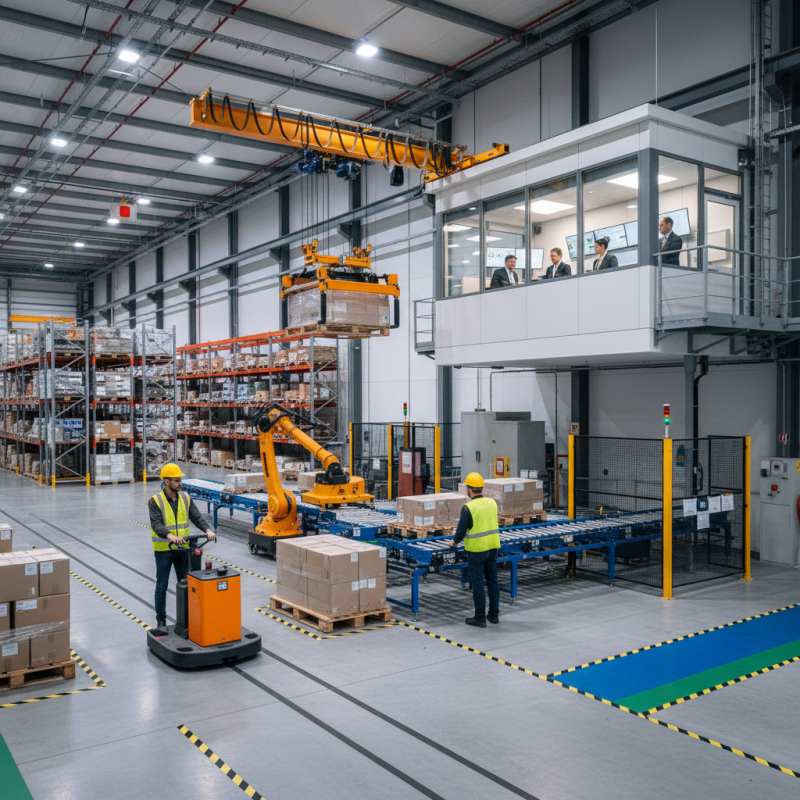
Top 10 Ways to Improve Safety in Material Handling Operations?

Assessing Current Safety Practices in Material Handling

Assessing current safety practices in material handling is crucial for reducing workplace incidents. Recent reports indicate that over 30% of workplace injuries result from improper material handling. This highlights the need for thorough safety assessments.

Evaluate current training programs. Studies show that companies with regular safety training see a 50% reduction in injury rates. Ensure employees fully understand risks related to lifting, carrying, and transporting materials. A workplace safety culture stems from consistent training and awareness initiatives.

Regular audits can identify hazards that may go unnoticed. Implement a system to assess personal protective equipment (PPE) regularly. Make sure workers wear the right gear when handling materials. It’s important to encourage employees to report unsafe conditions without fear. Creating an open line of communication can lead to a safer environment.

Tips: Always ensure easy access to first aid kits. Position them strategically, so aid is quick when needed. Also, consider ergonomic assessments. Proper equipment adjustments can prevent strain and injuries.

Top 10 Ways to Improve Safety in Material Handling Operations

Identifying Common Hazards in Material Handling Operations

Material handling operations involve various risks that can lead to serious injuries. According to the National Safety Council, over 900,000 workplace injuries are linked to manual material handling each year. Common hazards include ergonomic issues, slips, and falls. Workers often lift heavy items without proper techniques, which can cause sprains and strains.

Equipment mishandling also contributes to accidents. Inadequate training or improper use of forklifts and pallet jacks heightens these dangers. Recent studies indicated that 24% of forklift-related accidents occur due to inadequate operator training. Ensuring that staff are well-trained can mitigate these risks significantly. Routine safety audits can identify problem areas before they lead to injuries.

Another factor to consider is the environment. Poorly organized workspaces can increase the likelihood of accidents. The Occupational Health and Safety Administration reported that roughly 25% of all workplace accidents stem from cluttered or poorly maintained areas. Regular housekeeping and organization are essential in reducing these hazards. A proactive approach to safety can lead to a more efficient, safer work environment.

Top 10 Ways to Improve Safety in Material Handling Operations

Method Description Benefits Common Hazards Addressed
1. Employee Training Regular training sessions on safe material handling practices. Increased awareness and reduced accidents. Musculoskeletal injuries, falls.
2. Use of Proper Equipment Ensure the use of ergonomic tools and equipment. Reduces physical strain and enhances efficiency. Repetitive strain injuries, drops.
3. Implement Safety Protocols Set clear safety guidelines and protocols for handling materials. Minimized risk and standardization of practices. General safety hazards, equipment handling accidents.
4. Regular Equipment Maintenance Conduct routine checks and maintenance on equipment. Ensures reliability and reduces malfunctions. Equipment failure, related accidents.
5. Improve Workplace Organization Maintain clear pathways and organized storage. Reduced clutter lowers accident risks. Tripping hazards, collisions.
6. Utilize Proper Lifting Techniques Train employees on correct lifting methods. Decreases risk of back injuries. Back injuries, muscle strain.
7. Install Safety Barriers Use barriers or guards around high-risk areas. Protects workers from dangerous equipment. Machinery accidents, impacts.
8. Conduct Hazard Assessments Regularly assess the workplace for potential hazards. Proactive identification of risks. Various operational hazards.
9. Promote a Safety Culture Encourage open communication regarding safety. Enhances overall workplace safety awareness. All safety-related concerns.
10. Use Technology to Monitor Safety Implement systems that track safety compliance and incidents. Data-driven insights enhance safety measures. Data-on various hazards.

Implementing Ergonomic Solutions to Reduce Injuries

Implementing ergonomic solutions in material handling operations is crucial. According to the Bureau of Labor Statistics, over 30% of workplace injuries are due to musculoskeletal disorders. These injuries can lead to lost productivity and increased costs for businesses. Investing in ergonomic interventions can reduce these risks significantly.

Ergonomic solutions include adjustable workstations, lifting aids, and proper training on safe handling techniques. A study by the National Institute for Occupational Safety and Health found that companies that adopted ergonomic practices saw a 20% reduction in injury rates. Simple changes, like ensuring employees have a clear path for deliveries, can enhance safety.

However, not all companies invest adequately in ergonomics. Many still overlook the importance of proper equipment. Lack of awareness or management engagement can hinder progress. It's essential to reflect on current operations and actively seek areas for improvement. Integrating ergonomics isn't just a compliance issue; it’s a strategic move that can enhance employee well-being and overall safety.

Training Employees on Best Safety Practices in Material Handling

Training employees on best safety practices in material handling is crucial. Many accidents occur due to a lack of knowledge or awareness. Proper training ensures that all staff understand their roles and responsibilities in maintaining safety. Weekly safety meetings can reinforce these practices. Employees should be encouraged to share insights and experiences. This interaction often leads to better safety understanding.

Incorporating hands-on training is essential. Real-life scenarios allow employees to practice their skills. For example, they can learn the correct lifting techniques to avoid injuries. Visual aids like posters and diagrams can complement verbal training. Regularly updating training materials keeps information fresh and relevant. Misunderstandings in the manuals can lead to mistakes, so clarity is key.

Feedback is necessary for continuous improvement. After training sessions, seek input from employees. They might highlight areas that need more focus. Not every employee will grasp the information instantly. Some may require additional sessions to fully understand safety protocols. Adapting training styles to meet diverse learning preferences can enhance overall safety awareness.

Utilizing Technology to Enhance Safety Monitoring and Reporting

Utilizing technology in material handling operations is crucial for enhancing safety. Real-time data monitoring can help identify hazards instantly. Sensors and cameras can track movements and detect unsafe practices. This immediate feedback allows workers to adjust their actions promptly, reducing the risk of accidents.

Safety reporting systems should also leverage technology. Digital platforms improve data collection and streamline incident reporting. Instead of paperwork, workers can quickly document safety issues via apps. This encourages transparency and accountability. However, the reliance on technology requires regular updates and training. Workers must be comfortable using these systems for maximum effectiveness.

Yet, technology is not foolproof. Over-reliance may lead to complacency. Regular assessments are necessary to ensure systems work as intended. Continuous feedback loops between workers and safety teams foster a proactive safety culture. Communication remains paramount, even with advanced technology in play.

FAQS

: Why is assessing safety practices in material handling important?

: It reduces workplace incidents, as over 30% of injuries result from improper handling.

How can training programs impact injury rates?

Regular safety training can lead to a 50% reduction in injuries. Employees need to know risks clearly.

What role do audits play in safety management?

Audits identify unnoticed hazards, ensuring workers are safe while handling materials.

Why is personal protective equipment (PPE) assessment crucial?

Regular PPE checks ensure employees wear the appropriate gear, reducing injury risk.

How should companies encourage reporting unsafe conditions?

Create open communication channels. Employees should feel safe reporting hazards without fear.

What are some ergonomic solutions for material handling?

Implement adjustable workstations, lifting aids, and provide training on safe handling techniques.

What can be a consequence of ignoring ergonomic solutions?

Overlooking ergonomics can lead to musculoskeletal disorders and increased costs for businesses.

How can employee awareness about safety be improved?

Regular training and visible reminders about safety practices can enhance awareness on the floor.

What simple changes can enhance safety during operations?

Clear paths for deliveries help prevent accidents and improve overall workflow efficiency.

How can companies reflect on their current operations?

They should assess existing practices and seek continuous improvement for better safety.

Conclusion

In the pursuit of how to improve safety in material handling operations, it is crucial to assess current safety practices to identify potential weaknesses. Common hazards such as improper lifting techniques, inadequate training, and equipment failures must be recognized and addressed. Implementing ergonomic solutions can significantly reduce the risk of injuries, ensuring a safer work environment for employees.

Training employees on best safety practices will equip them with the knowledge needed to navigate potential risks effectively. Additionally, utilizing technology can enhance safety monitoring and reporting, providing real-time insights that lead to proactive measures. By focusing on these strategies, organizations can foster a culture of safety and significantly improve their material handling operations.

Oliver

Oliver

Oliver is a seasoned marketing professional with a wealth of expertise in driving brand awareness and engagement. With a deep understanding of our company's product offerings, he consistently delivers high-quality content that enriches our professional blog. His insights not only shed light on......