Operator training for safe equipment use is a practical process, not a one-time classroom exercise. It prepares employees to recognize hazards, follow operating procedures, and respond calmly when conditions change. Effective training combines demonstrations, supervised practice, equipment manuals, and documented competency checks. A qualified trainer should explain controls beside the machine, where learners can see emergency stops, guards, warning labels, and pinch points clearly.
The central question is how to train operators for safe equipment use without relying on memory alone. Start with the specific equipment, workplace risks, and operator experience. Show the correct inspection routine, including checking cables, fluid leaks, worn parts, and unusual sounds. Let each trainee perform the inspection. Then observe their start-up, normal operation, shutdown, and fault-response actions. Ask practical questions. Listen carefully.
Real workplaces are rarely perfect. Production pressure may distract people, and experienced operators can develop unsafe shortcuts. Training should address these habits respectfully, using realistic scenarios rather than blame. A short refresher after a near miss, equipment change, or extended absence can prevent repeated errors. Records should identify the trainer, date, equipment model, assessment results, and any coaching required. Still, paperwork does not prove competence. Direct observation matters more. No program is flawless. Supervisors must keep reviewing performance, reporting trends, and improving instructions when workers identify confusion or new risks. This ongoing approach builds confidence while protecting people, equipment, and operational reliability.
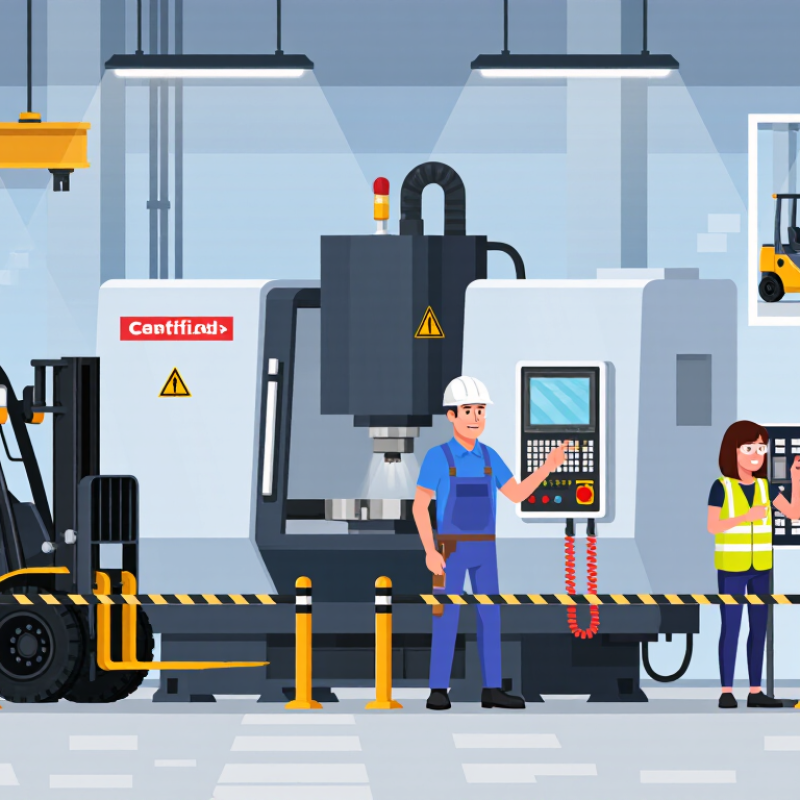
What Is Operator Training for Safe Equipment Use?
Definition and Purpose of Operator Training
Operator training is a structured process that prepares people to use equipment safely and correctly. It explains the equipment’s controls, operating limits, hazards, and required protective measures. The purpose is not merely to show which button starts a machine. It builds practical judgment before a worker faces noise, moving parts, poor visibility, or an unexpected alarm. A trained operator should inspect the equipment, identify abnormal conditions, and stop work when safety becomes uncertain. Training should include demonstrations, supervised practice, and clear instructions based on the equipment manual. Short pauses matter. They reduce rushed decisions.
Effective training connects knowledge with real workplace conditions. An instructor can demonstrate a pre-use inspection, then ask the trainee to repeat it independently. The trainee should explain each step, not simply copy movements. A written or verbal assessment can confirm understanding, while direct observation reveals habits that tests may miss. Refresher training is useful after long absences, equipment changes, incidents, or repeated mistakes. Real experience matters. Still, training can fail when it becomes a rushed signature on a form. A worker may pass a quiz yet hesitate beside a leaking hose or unfamiliar control panel. That gap deserves attention, not blame alone. Supervisors should record attendance, assessments, observed skills, and follow-up coaching. Good records support accountability and show where instruction needs improvement.
Operator training prepares employees to use powered industrial trucks safely through formal instruction, practical training, and workplace-based evaluation. The chart shows the number of example topic areas listed by OSHA for truck-related and workplace-related training.
OSHA requires training to address both the characteristics of the equipment and the hazards of the workplace. Operators must also be evaluated before operating independently and receive refresher training when performance or working conditions indicate it is necessary.
Source: OSHA, 29 CFR 1910.178(l), Powered Industrial Trucks.
What Is Operator Training for Safe Equipment Use?
Equipment hazards are often visible before operation begins. Wet floors, damaged cables, unstable loads, and poor lighting can quickly create serious risks. Moving parts may crush fingers or catch loose clothing. Blind corners can also hide pedestrians from the operator’s view.
Effective operator training connects classroom knowledge with controlled practice. Workers should learn the equipment’s intended use, load limits, warning signals, and emergency controls. They must inspect guards, brakes, attachments, tires, and power connections before each shift. Required protective equipment should fit properly and match the hazard. A helmet alone cannot protect someone from every risk.
Small details matter.
Tips: Walk around the equipment before starting. Keep hands away from pinch points. Use clear signals with nearby workers. Stop when visibility becomes uncertain. Never bypass a guard or ignore an unusual sound. Report defects immediately and isolate unsafe equipment according to workplace procedures.
Experienced operators still make mistakes, especially during rushed work or familiar tasks. A checklist helps, but it is not perfect. It may miss changing weather, a distracted coworker, or a load positioned slightly off-center. Good training encourages operators to pause, question unsafe conditions, and ask for help without embarrassment. Supervisors should observe practical performance, refresh training after incidents, and verify that instructions are understood rather than merely signed.
Effective operator training combines clear instruction, supervised practice, and careful evaluation. A qualified trainer explains the equipment’s purpose, limits, controls, and foreseeable hazards. Operators should learn from current operating manuals and site-specific procedures.
Hands-on practice makes the lesson real. Trainees inspect guards, cables, wheels, fluid leaks, warning labels, and emergency stops before starting work. They practice stable positioning, safe loading, controlled movement, and shutdown procedures.
Practice matters. Stop means stop.
Assessment should include written questions and observed tasks. The trainer watches how an operator responds to an uneven surface, an overloaded platform, or a sudden alarm. Small details reveal weak understanding. Records should show the trainee’s name, equipment type, training date, assessment result, and required refreshers.
Good programs also explain communication. Operators need agreed signals, radio habits, and clear reporting methods near noise or limited visibility. Refresher training should follow incidents, equipment changes, long absences, or repeated mistakes. A checklist alone cannot prove competence. It may look complete while unsafe habits remain. Trainers should invite questions and admit uncertainty when a situation needs technical review. That honesty builds trust, although training teams sometimes rush it under production pressure. Supervisors must protect practice time and correct unsafe behavior immediately, without humiliating the operator.
What Is Operator Training for Safe Equipment Use?
Step-by-Step Process for Safe Equipment Operation
Safe equipment operation begins before the power switch moves. A qualified trainer checks the operator’s experience, physical readiness, and understanding of the work area. The process starts with a hazard review. Identify moving parts, pinch points, stored energy, unstable loads, and nearby pedestrians. According to the U.S. Bureau of Labor Statistics, private industry reported 2,607,900 nonfatal workplace injuries and illnesses in 2023. Training cannot remove every hazard, but it can reduce careless exposure.
The operator then studies the equipment manual, warning labels, controls, and emergency procedures. Demonstration should follow a clear sequence: inspect, prepare, start, operate, stop, and secure. The trainer explains why each action matters. The operator performs the same steps under direct observation. Short sentences help. Clear actions matter. The International Labour Organization reports nearly three million work-related deaths annually worldwide, showing why preparation deserves time.
Competence requires more than watching a demonstration. The operator should complete a practical assessment using realistic conditions, including uneven surfaces, poor visibility, or changing loads. The trainer records errors and corrects them immediately. In practice, this stage is often rushed. That is a weakness worth admitting. A signed form does not prove safe behavior. Refresher training is needed after incidents, equipment changes, long absences, or observed unsafe habits. Supervisors should also invite operators to report confusing controls and near misses without fear. Their feedback may reveal risks that written procedures missed.
| Step | Training Stage | Key Activities | Safety Requirements | Competence Verification | Required Records |
|---|---|---|---|---|---|
| 1 | Identify the Equipment and Job | Review the equipment type, intended use, operating environment, load or process requirements, and the operator’s assigned duties. | Confirm that the equipment is suitable for the task and that the work area is adequately controlled. | Supervisor confirms the operator has been assigned an appropriate task and understands the equipment’s purpose. | Training needs assessment; job assignment record. |
| 2 | Review Hazards and Controls | Explain hazards such as moving parts, stored energy, electrical exposure, pinch points, falling objects, noise, heat, and hazardous substances. | Apply the hierarchy of controls, including guarding, isolation, safe distance, ventilation, and personal protective equipment. | Operator identifies the main hazards and selects the correct control measures for a stated work scenario. | Risk assessment; safe work procedure; hazard communication record. |
| 3 | Study the Operating Instructions | Read the manufacturer’s operating instructions, workplace procedures, warning labels, capacity limits, and emergency information. | Use only current and approved instructions. Do not operate equipment beyond its rated capacity or intended application. | Written or verbal knowledge check covering controls, limits, warnings, and prohibited actions. | Training materials; knowledge assessment; revision-controlled procedure. |
| 4 | Inspect the Equipment Before Use | Check guards, controls, emergency stops, cables, hoses, structural components, fluid leaks, warning devices, tires, attachments, and housekeeping. | Do not use equipment with a defect that could affect safe operation. Isolate, label, and report unsafe equipment. | Operator completes a documented pre-use inspection without prompting. | Pre-use inspection checklist; defect report; maintenance notification. |
| 5 | Demonstrate Safe Start-Up | Secure the work area, wear required PPE, check surroundings, verify controls are neutral, and start the equipment according to procedure. | Keep unauthorized people clear, maintain stable footing, and never bypass guards or safety interlocks. | Trainer observes the full start-up sequence and confirms that safety checks are completed in the correct order. | Practical training checklist; observation notes. |
| 6 | Practice Normal Operation | Operate the equipment through normal tasks, including control use, positioning, speed management, load handling, and communication. | Follow safe operating limits, maintain visibility, use designated travel paths, and keep body parts away from danger zones. | Operator completes representative tasks consistently, smoothly, and without unsafe shortcuts. | Skills evaluation; task observation record. |
| 7 | Manage Abnormal Conditions | Practice responses to alarms, loss of power, unexpected movement, jammed material, damaged components, spills, or changing site conditions. | Stop the equipment when conditions become unsafe. Follow isolation, reporting, evacuation, and emergency communication procedures. | Operator correctly identifies when to stop, secure, isolate, and escalate the problem. | Scenario-based assessment; incident or near-miss report when applicable. |
| 8 | Apply Shutdown and Isolation | Complete the normal shutdown, lower or secure moving components, remove loads safely, disconnect energy sources when required, and control access. | Use an approved lockout or isolation procedure before maintenance, cleaning, adjustment, or clearing a dangerous obstruction. | Operator demonstrates shutdown and verifies that stored energy has been controlled before intervention. | Shutdown checklist; isolation or lockout record; work permit where required. |
| 9 | Complete Post-Use Checks | Inspect for damage, clean the equipment as authorized, return tools and attachments, secure the area, and report defects or unusual conditions. | Leave the equipment in a stable, safe condition and prevent unauthorized use of defective equipment. | Supervisor verifies that the operator completes the post-use routine and reports issues accurately. | Post-use checklist; equipment condition report; service request. |
| 10 | Authorize Independent Operation | Review knowledge and practical performance results, confirm any restrictions, and formally approve the operator for the defined equipment and tasks. | Authorization must be specific to the equipment, operating conditions, and task scope; it must not be transferred to another person. | Pass / Retraining Required Approval is based on documented knowledge and practical evaluations. |
Authorization record; competency certificate; operator register. |
| 11 | Refresh and Reassess Skills | Provide refresher training after an incident, unsafe observation, major equipment change, extended absence, or demonstrated lack of competence. | Update training whenever procedures, hazards, controls, or work conditions change significantly. | Periodic observation and reassessment confirm continued safe performance. | Refresher training record; reassessment results; corrective action log. |
Operator training is more than showing someone which lever to move. It builds safe habits through instruction, supervised practice, and documented assessment. A competent operator should explain equipment limits, complete pre-use checks, identify unstable conditions, and stop when something feels wrong. Practical assessment matters most. A written test alone may miss poor judgment beside a moving load.
Certification should confirm observed ability, not attendance. A qualified assessor can watch the operator start, steer, position, shut down, and report defects.
Records should include the equipment type, assessment date, evaluator, and any limits placed on the authorization. Refresher training is needed after incidents, long absences, equipment changes, or repeated unsafe observations. It should also address skill drift. People forget small steps under pressure. That happens.
Tips: Use a realistic work area during assessment. Ask the operator to explain each decision aloud. Check hand placement, visibility, communication, and emergency responses. Keep the session short enough for attention to remain sharp. Document gaps immediately, then provide supervised practice. Do not treat a certificate as permanent proof of competence. A checklist can miss hesitation, rushing, or confusion. Review the assessment process itself each year, because a familiar method may no longer reflect actual workplace risks.
Walk around the equipment before powering it on. Check guards, brakes, tires, attachments, cables, and power connections. Look for wet floors, poor lighting, and unstable loads.
Training connects classroom knowledge with supervised practice. Operators learn intended use, load limits, warning signals, controls, and emergency procedures. Watching a demonstration is not enough.
Look for moving parts, pinch points, stored energy, blind corners, pedestrians, and uneven surfaces. Changing weather can create new risks. The checklist may miss something.
A qualified trainer should demonstrate inspection, preparation, starting, operation, stopping, and securing. The operator then repeats each step under direct observation. Short instructions help.
Protective equipment should fit correctly and match the specific hazard. A helmet alone cannot protect against every risk. Loose clothing can become caught in moving parts.
Stop the equipment and reassess the area. Use clear signals with nearby workers. Do not continue through blind corners or unclear pedestrian paths.
Stop using unsafe equipment and report defects immediately. Isolate it according to workplace procedures. Never bypass a guard or ignore unusual sounds.
No. A checklist supports preparation, but it is not perfect. It may miss a distracted coworker or an off-center load. Practical observation remains necessary.
Provide refresher training after incidents, equipment changes, long absences, or observed unsafe habits. Supervisors should verify understanding, not merely collect signatures. Mistakes still happen.
Operator training for safe equipment use is a structured process designed to help workers understand equipment functions, recognize hazards, and perform tasks responsibly. Its purpose is to reduce accidents, protect people and property, and promote consistent operating practices. Effective training should explain essential safety requirements, including the use of protective equipment, pre-operation inspections, hazard identification, emergency procedures, and proper communication. It should also address equipment limits, safe work areas, and the importance of following authorized operating instructions.
A strong program demonstrates each operating step, from inspection and startup to normal use, shutdown, and reporting problems. Trainees should receive guided practice and learn how to respond to abnormal conditions without taking unnecessary risks. To understand how to train operators for safe equipment use, organizations should combine classroom instruction, practical demonstrations, supervised operation, and clear feedback. Competency should be verified through written or verbal knowledge checks and hands-on assessments. Certification should be granted only when operators meet defined standards, with refresher training provided after incidents, equipment changes, extended absences, or signs of declining performance.
Nauti Lift