How to Ensure Operator Safety in Lifting Operations Efficiently?

Time:2026-05-31 Author:Madeline
0%

Ensuring operator safety in lifting operations is a critical concern across various industries. Inadequate safety measures can lead to accidents, injuries, and costly delays. Companies must focus on effective strategies that protect workers while enhancing productivity.

Understanding how to ensure operator safety in lifting operations involves training, equipment maintenance, and communication. Training programs should educate operators about proper techniques and equipment use. Regular inspections and maintenance of lifting machinery are essential to prevent mechanical failures. Clear communication among team members is vital, as misunderstandings can have severe consequences.

Despite well-defined protocols, challenges persist. Some operators may disregard safety guidelines, leading to risky behavior. Moreover, the fast-paced work environment can reduce focus on safety practices. Therefore, organizations must continuously evaluate their safety culture. Establishing a proactive approach allows teams to reflect on their practices and improve.
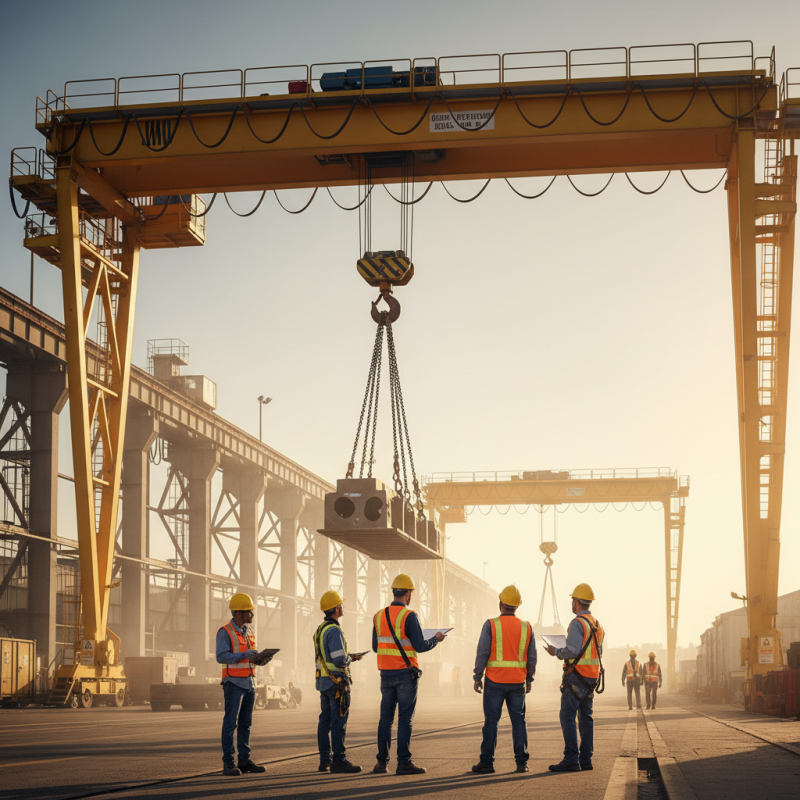
How to Ensure Operator Safety in Lifting Operations Efficiently?

Understanding Operator Safety in Lifting Operations

Operator safety in lifting operations is crucial. Understanding the potential hazards can help create a safer environment. Lifting tasks often involve heavy equipment and materials. If not managed properly, accidents can occur, leading to serious injuries. A focus on safety training is essential for all operators involved in these operations.

One effective strategy is regular safety training. This reinforces safe practices and enhances awareness of risks associated with lifting operations. Operators should stay updated on the latest safety guidelines. Implementing a buddy system can also promote safety. Working in pairs allows operators to assist each other and identify potential dangers. Clear communication is key in any lifting operation.

Tips: Always conduct pre-lift inspections. Check equipment for wear and tear. Use proper lifting techniques to avoid strain. Encourage reporting unsafe conditions without fear. Reflection on past mistakes can lead to better practices. Safety is an ongoing commitment in every lifting operation.

Conducting Risk Assessments for Lifting Scenarios

Conducting risk assessments for lifting scenarios is essential for ensuring operator safety. Begin by identifying the hazards present in your lifting operations. Consider factors such as weight, load stability, and environmental conditions. Engage with operators to gather insights about potential risks they encounter.

Tips: Review past incidents. Analyze what went wrong. Learning from mistakes is crucial for enhancing safety protocols.

Next, evaluate the risks associated with specific lifting tasks. Assess how likely an incident is to occur and the potential severity of an injury. Document these findings meticulously. Use them to create a safety plan tailored to your operations. Remember, this plan should evolve based on new information and experiences.

Tips: Involve your team in these evaluations. Their hands-on experience can uncover overlooked hazards. Foster a culture of safety and openness.

Lastly, always prioritize ongoing training. Regularly update operators about new safety measures and equipment. Encourage feedback about the lifting process. This creates a dynamic safety environment that grows from real experiences and shared knowledge. Risk assessment is not a one-time activity but a continuous journey toward safer lifting operations.

Implementing Proper Training and Certification for Operators

Training and certification are critical in ensuring safety during lifting operations. Operators must understand equipment limitations and proper handling techniques. This knowledge reduces the risk of accidents and enhances overall workplace safety. Structured training programs that include hands-on experience are essential. Operators should not only learn the theory but also practice in real situations.

Certification ensures that operators meet specific standards. It provides a tangible way to verify an operator's skills and knowledge. Regular refreshers are necessary, as procedures and technologies evolve. Some operators may pass certifications without fully grasping practical applications. Continuous assessments can help bridge this gap, ensuring that operators are competent.

A well-implemented training program reflects a commitment to safety. However, not all organizations prioritize this aspect adequately. Some may neglect ongoing training or fail to keep materials updated. This oversight can lead to gaps in knowledge. It's crucial to create an environment where safety is a continuous focus, allowing for regular feedback and improvement.

Choosing Suitable Equipment for Safe Lifting Practices

Choosing the right equipment is crucial for efficient and safe lifting operations. Operators must assess the load type, weight, and dimensions carefully. This ensures that the equipment chosen can handle the specific lifting tasks safely. For instance, using a hoist for lightweight materials can significantly improve safety. But the wrong choice can lead to accidents.

Furthermore, regular inspection of lifting gear is vital. Operators should check for wear and tear, even on new equipment. This practice helps in identifying potential failures before they occur. It may seem tedious, but it is necessary to ensure the safety of all personnel involved. Simple checks can prevent serious accidents.

Training is another essential aspect. Even the best equipment requires skilled operators. Continuous training on the latest safety procedures ensures that operators remain aware of best practices. However, some may overlook this requirement due to busy schedules. This neglect can lead to unnecessary risks. Prioritizing equipment choice and operator training creates a safer lifting environment.

Operator Safety in Lifting Operations: Equipment Efficiency

Establishing Safety Protocols and Emergency Procedures

Establishing safety protocols in lifting operations is crucial. These protocols guide operators through safe practices. They include regular training and clear communication. Engaging workers in the process strengthens their understanding. Each team member should know their role and responsibilities clearly.

Emergency procedures must be precise and well-practiced. Operators should simulate emergency scenarios regularly. This builds confidence in response actions. Quick access to first-aid kits and communication devices is necessary. All workers should know where these items are located. Sometimes, gaps in knowledge can lead to serious accidents.

A culture of safety thrives on continuous reflection. Regular safety audits can highlight weaknesses. Operators may feel pressure to complete tasks quickly, but rushing often leads to mistakes. By fostering an environment where safety takes priority, organizations can reduce risks significantly. Encouraging open discussions about safety can empower workers to voice concerns and improve protocols continuously.

How to Ensure Operator Safety in Lifting Operations Efficiently? - Establishing Safety Protocols and Emergency Procedures

Safety Protocol Description Frequency of Training (per year) Emergency Procedure Steps
Pre-Lift Inspection Check equipment, surroundings, and weight limits 4 Stop the lift, assess the situation, communicate with team
Operator Certification Ensure operators are trained and certified 1 Use designated emergency stop button, notify supervisor
Load Capacity Limits Adhere to specified load limits for lifting Annual Clear area, follow evacuation protocol
Use of PPE Wear appropriate personal protective equipment 2 Identify hazards, treat injuries, contact emergency services

FAQS

: Why is operator safety important in lifting operations?

: Operator safety minimizes accidents and injuries. Proper understanding of hazards is essential for safe lifting practices.

What is an effective method to improve safety awareness?

Regular safety training enhances awareness of risks. Operators should always stay updated on safety guidelines.

How can a buddy system help during lifting tasks?

A buddy system allows operators to assist each other. This promotes safety and helps identify potential dangers.

What should be included in pre-lift inspections?

Always check equipment for wear and tear. Proper inspection can prevent accidents and ensure safety.

How can operators contribute to risk assessments?

Operators can provide insights about hazards they face. Their experience is valuable for identifying potential risks.

Why is reflection on past incidents important?

Analyzing past mistakes helps improve safety protocols. Learning from errors is crucial for safer lifting practices.

How often should equipment be inspected?

Regular inspections are vital, even for new gear. Simple checks can prevent serious failures and accidents.

What is a common oversight during safety training?

Some may neglect training due to busy schedules. This can lead to increased risks in lifting operations.

How can a dynamic safety environment be fostered?

Encourage operator feedback about lifting processes. Sharing knowledge helps create a culture of openness and safety.

When should the safety plan be revised?

The safety plan should evolve with new information. Regular updates based on experiences enhance overall safety.

Conclusion

Ensuring operator safety in lifting operations is paramount to preventing accidents and injuries on job sites. To achieve this, it is essential to first understand the specific safety risks associated with lifting activities. Conducting thorough risk assessments allows organizations to identify potential hazards and address them proactively. Additionally, implementing comprehensive training and certification programs ensures that operators are well-equipped with the knowledge and skills necessary for safe lifting practices.

Choosing suitable equipment tailored to the specific lifting tasks is also crucial. This includes selecting gear that meets safety standards and is appropriate for the load being handled. Furthermore, establishing clear safety protocols and emergency procedures helps create a structured approach to managing potential risks, ensuring that operators can respond effectively in case of an incident. By following these guidelines on how to ensure operator safety in lifting operations, organizations can significantly enhance workplace safety and operational efficiency.

Madeline

Madeline

Madeline is a dedicated marketing professional with a wealth of expertise in our company's core offerings. With a keen understanding of the industry, she brings a unique perspective to her role, consistently delivering high-quality content that highlights the superior aspects of our products. As......