In the rapidly evolving world of logistics, understanding what are the key features of modern material handling equipment is essential for businesses. These features significantly enhance efficiency and safety within warehouses and distribution centers. Modern equipment incorporates advanced technologies that streamline operations, reduce manual labor, and minimize the risk of accidents.
Innovations like automation, robotics, and data analytics play a pivotal role in modern material handling. For instance, autonomous forklifts increase precision and speed, allowing for better inventory management. However, adopting these technologies isn’t without challenges. Companies must train their workforce to effectively use new equipment, which can initially slow down operations.
Additionally, sustainability is becoming a critical aspect of material handling solutions. Many manufacturers now design equipment with energy-efficient features to reduce environmental impacts. As organizations strive to keep pace with industry changes, it is important to reflect on these evolving needs and the complexities involved in implementing modern solutions. Identifying what are the key features of modern material handling equipment can guide businesses in making informed decisions that enhance operational effectiveness.
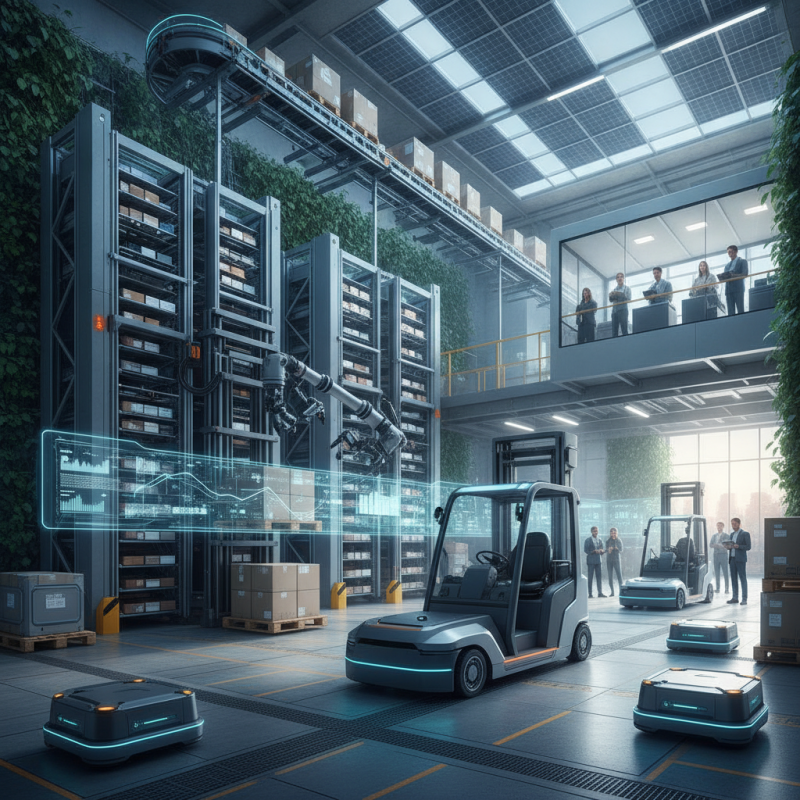
In today's fast-paced logistics landscape, modern material handling equipment (MHE) has become a cornerstone for efficiency. One critical feature is automation. Automated guided vehicles (AGVs) can navigate warehouses with precision. According to industry reports, automation can boost operational efficiency by up to 25%. This shift can reduce labor costs and minimize human error.
Another vital aspect is advanced data integration. Modern MHE collects real-time data on inventory and equipment performance. Companies utilizing this technology reported a 30% increase in inventory accuracy. However, integrating such advanced systems can pose challenges. Businesses often struggle with the learning curve necessary to maximize these tools' full potential.
In addition, ergonomic design plays a significant role in modern MHE. Equipment designed with the user in mind can significantly reduce workplace injuries. Ergonomic solutions lead to a healthier workforce and can improve productivity. Nonetheless, many organizations still overlook these essential upgrades, leading to unnecessary accidents and wasted resources. Embracing these key features remains crucial for staying competitive and efficient in material handling.
: Automation is crucial. Automated guided vehicles navigate warehouses with precision, increasing efficiency.
Automation can boost operational efficiency by up to 25%, reducing labor costs and errors.
Modern equipment collects real-time data, leading to a 30% increase in inventory accuracy.
Many businesses face a steep learning curve, which can hinder the full potential of these tools.
Ergonomic design reduces workplace injuries and promotes a healthier, more productive workforce.
Regular inspections can catch hidden issues, preventing serious accidents and increasing safety.
Training ensures workers are aware of safety procedures and encourage reporting of equipment issues.
Engaging employees helps identify flaws and potential hazards in new equipment designs.
Overlooking these upgrades can lead to accidents and wasted resources.
Advanced sensors can detect obstacles and stop equipment, enhancing safety in low visibility areas.
When exploring what are the key features of modern material handling equipment, one must first understand the variety of equipment available today, including forklifts, conveyors, and automated storage and retrieval systems. These tools are designed to streamline operations and improve efficiency in various industries. A significant aspect is the role of automation, which enhances productivity by reducing human error and speeding up processes.
Moreover, safety features are crucial in modern equipment design to protect operators and reduce workplace accidents. Additionally, the importance of ergonomics cannot be overlooked; well-designed equipment minimizes strain on workers, promoting a healthier work environment. Overall, these elements combine to create advanced material handling solutions that are efficient, safe, and user-friendly.

 Nauti Lift