In today's fast-paced industrial environments, understanding how to improve handling efficiency in tight spaces has become essential. Many workplaces are designed with limited real estate, leading to increased challenges in maneuverability. Companies face the need to optimize their operations without compromising on safety or productivity.
Working in confined areas demands creativity and strategic planning. Approaches such as using specialized equipment, training staff, and reorganizing layouts can significantly enhance efficiency. However, not all solutions fit every situation, and sometimes what works in one space fails in another. There is a critical need for constant reassessment and adaptation of methods.
Moreover, embracing new technologies can provide innovative solutions. Automated systems and precise tracking tools can help streamline processes. Yet, reliance on technology alone has its pitfalls. The importance of human input and expertise cannot be overstated. Reflecting on past experiences and adapting strategies accordingly can lead to lasting improvements in handling efficiency in tight spaces.
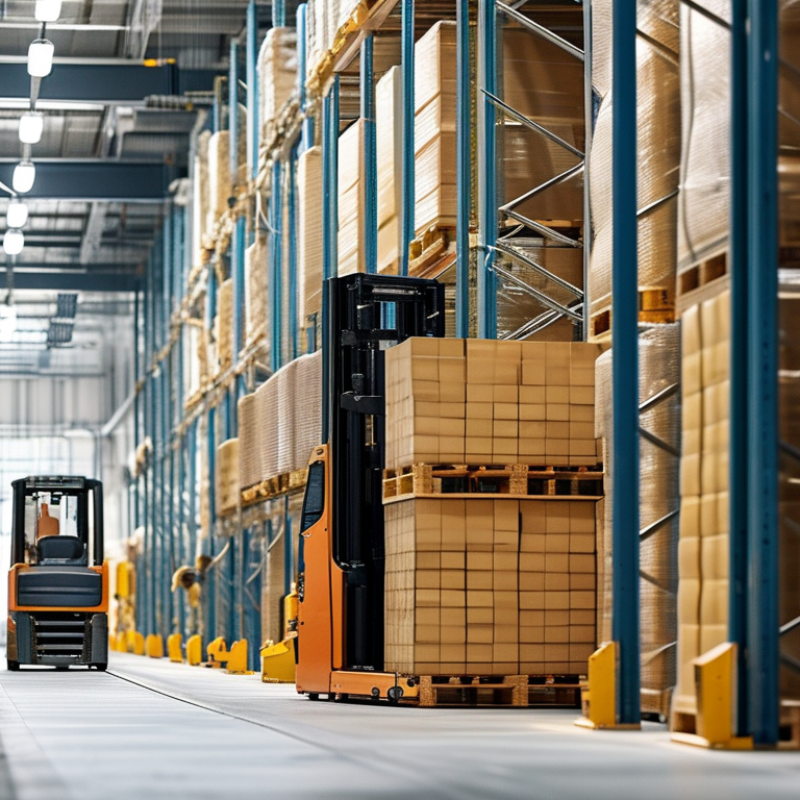
Handling in tight spaces presents unique challenges. Narrow aisles and small work areas often obstruct efficient movement. According to a 2021 report by the Logistics Management Association, nearly 30% of warehouse workers cited tight spaces as a significant obstacle to productivity. Lack of maneuverability can lead to accidents and increased downtime, impacting overall operational efficiency.
Workers often struggle to maneuver equipment in constrained environments. A survey by the Occupational Safety and Health Administration (OSHA) indicated that 15% of workplace injuries stemmed from insufficient space for safe handling. The challenge isn't just physical; mental load increases when navigating tight spaces. Workers may feel stressed or rushed, leading to mistakes and accidents.
Organizations must assess their layouts carefully. Traditional designs often ignore the limitations of space dynamics. Implementing modular storage solutions and flexible layouts can improve flow. Investing in training helps workers develop strategies for optimizing movement. However, adapting to these changes takes time and reflection. It is crucial to be patient and observant as new systems are integrated.
In tight spaces, efficiency is key. Assessing your equipment and tools can dramatically improve handling performance. A 2022 report from the Material Handling Industry shows that optimizing tool choice can increase productivity by 25%. The right tools can help workers navigate confined areas seamlessly, reducing the risk of accidents.
To enhance space efficiency, consider the layout of your tools. Tools should be easily accessible without cluttering pathways. Keep frequently used items within arm's reach. This minimizes movement and saves time. For example, stacking materials vertically can free up floor space, allowing better mobility.
Consider using versatile equipment. Multi-functional tools can handle various tasks. According to industry analysts, such tools can cut operational costs by up to 15%. Ensure that your equipment is regularly maintained. Worn-out tools can slow down operations and create safety hazards. It’s essential to periodically review your tool inventory for potential upgrades.
Maneuvering in confined areas can be quite challenging. Operators often face tight spaces that require precise control and quick decision-making. To improve handling efficiency, understanding your surroundings is crucial. First, ensure that you always have good visibility. Use mirrors and cameras where possible. This gives you better awareness of obstacles nearby.
Another technique for navigating tight spaces involves mastering your equipment. Whether using a forklift, pallet jack, or other machinery, familiarity with controls is key. Practice slow movements to allow for reaction time. It is vital to anticipate the next maneuver and plan accordingly. Sometimes, you may need to reposition your equipment before making a turn.
Space-saving techniques can also help. Consider rearranging your workspace to create wider paths. Declutter areas to minimize obstacles. However, be aware that even the best setups can have limitations. Reflecting on past experiences can identify areas that need improvement. This approach not only enhances efficiency but also boosts safety within confined spaces.
In tight spaces, optimizing workflow is essential for efficiency. According to a report by the National Safety Council, poor workspace layouts can reduce productivity by up to 30%. Effective strategies can greatly enhance operations.
Consider implementing lean principles. These focus on minimizing waste. Organizing tools and materials can save valuable time. For example, using labeled storage can help locate items quickly, reducing unnecessary searching.
Tips: Assess your space layout regularly. This helps identify bottlenecks. Additionally, involve your team in the design process. Their insights can lead to practical solutions that enhance daily operations.
Another strategy is to use technology to streamline processes. Automation can simplify repetitive tasks and free up time for more critical activities. According to the International Journal of Production Research, integrating automation can boost productivity by 30% in some environments.
Tips: Train staff on new technologies. Proper training ensures everyone is comfortable with the tools used. Regular check-ins can help address any challenges quickly.
While these strategies emphasize improvement, they also highlight the need for continuous evaluation. Ask yourself: what works today may not work tomorrow. Stay flexible and open to change.
In tight spaces, safety and training are paramount. Workers often face challenges that can lead to accidents. Understanding the specific risks associated with confined environments is essential. Workers need thorough training on these risks. Proper techniques can prevent injuries and enhance overall safety.
Safety protocols should include clear guidelines. Workers must wear appropriate personal protective equipment (PPE). Regular drills and training sessions keep skills sharp. Engaging workers in safety discussions can foster a culture of awareness. Not all workers feel confident in tight spaces. Providing support and encouragement is vital.
Feedback from workers often reveals areas for improvement. Daily reflections on safety practices can highlight weaknesses. Open communication channels allow workers to express concerns. This engagement can lead to better operational efficiency. All team members should feel empowered to suggest changes. Embracing these considerations can lead to a safer, more efficient working environment.
: Tight spaces obstruct efficient movement and can lead to accidents. Nearly 30% of workers see it as a big issue.
Around 15% of workplace injuries result from insufficient handling space. This increases stress and risk of mistakes.
Careful assessment of layouts is essential. Modular storage and flexible designs can enhance flow and efficiency.
Good visibility is crucial. Use mirrors and cameras to be aware of nearby obstacles while operating machinery.
Mastering equipment controls is key. Practice slow movements to allow reaction time and plan your next maneuvers.
Rearranging workspaces and decluttering can create wider paths, improving overall efficiency and safety in tight areas.
Adapting to changes takes time and reflection. Patience and observation are critical during the integration process.
Even the best setups can have constraints. Reflecting on past experiences can help identify areas for improvement.
The mental load increases when navigating tight spaces, leading to potential stress, mistakes, and accidents.
Knowing your equipment well allows for better control and decision-making. This reduces error likelihood in tight environments.
Improving handling efficiency in tight spaces presents unique challenges that require a thoughtful approach. Understanding the complexities involved is the first step, as it allows operators to assess their current equipment and tools for optimal space efficiency. Techniques for maneuvering in confined areas, such as utilizing specialized tools and adopting agile handling strategies, can significantly enhance productivity.
Moreover, developing effective workflow strategies within limited spaces necessitates careful planning and organization. Workers should also emphasize training and safety considerations to minimize risks associated with operating in tight environments. By implementing these strategies, businesses can learn how to improve handling efficiency in tight spaces, ultimately leading to a more streamlined and safe operational process.

Nauti Lift