What Affects the Lifespan of Industrial Equipment?

Time:2026-05-22 Author:Amelia
0%

Understanding what affects the lifespan of industrial equipment is crucial in manufacturing. According to industry expert Dr. Emily Carter, “Proper maintenance and environmental conditions are key factors in longevity.” Equipment longevity directly impacts productivity and cost efficiency.

Various factors influence equipment lifespan. Regular maintenance practices can significantly enhance durability. However, many organizations overlook routine checks, leading to unexpected failures. Environmental conditions, such as temperature and humidity, also play a vital role. Equipment exposed to harsh environments may deteriorate faster than those in controlled settings.

Moreover, operator training is another critical aspect. Well-trained staff can manage machinery effectively, reducing the likelihood of misuse. Reflecting on these elements reveals an opportunity for improvement. Companies must prioritize a comprehensive approach to equipment management. By acknowledging these factors, businesses can enhance operational efficiency and extend equipment life.
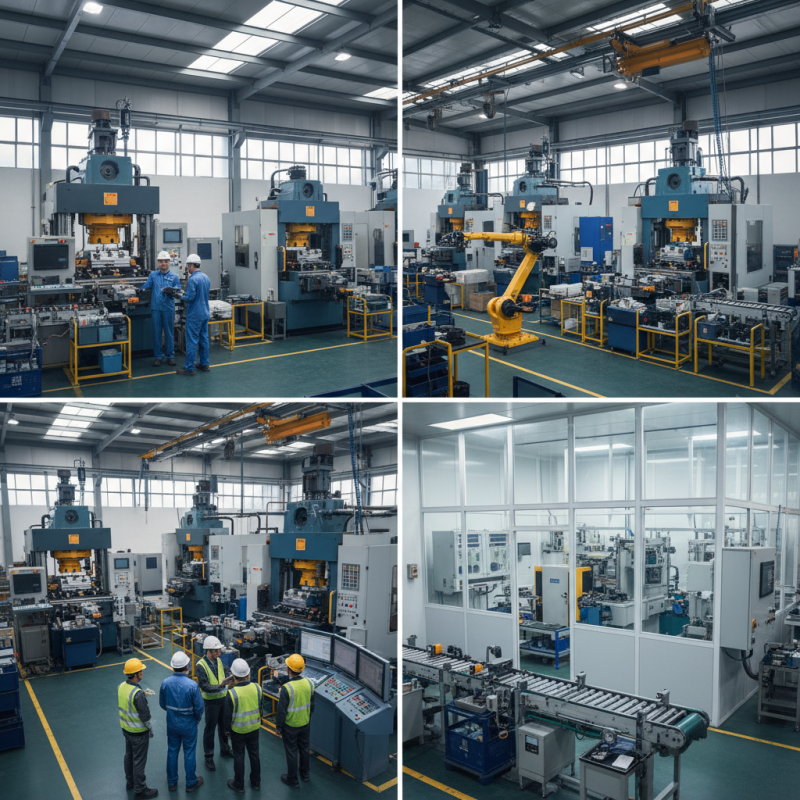
What Affects the Lifespan of Industrial Equipment?

Factors Influencing Wear and Tear in Industrial Machinery

The lifespan of industrial machinery is influenced by several key factors. Wear and tear is inevitable, but understanding its causes can extend equipment longevity. Operators need to consider usage patterns, environmental conditions, and maintenance routines. Each factor plays a critical role in determining how quickly machines degrade.

For example, heavy usage often accelerates wear due to increased friction and heat. Dust and moisture in the air can also contribute to corrosion. Regularly monitoring these conditions helps identify potential issues before they become significant problems. It’s essential to make adjustments based on real-time observations.

Tips: Keep machinery clean to reduce unnecessary wear. Schedule routine maintenance checks on all equipment. Pay attention to abnormal noises—these can signal wear and tear. Mindfully choosing when and how to operate each piece of machinery can lead to better performance and longevity. Being proactive instead of reactive can save time and costs.

Impact of Operational Environment on Equipment Longevity

The operational environment significantly affects the lifespan of industrial equipment. Factors such as temperature, humidity, and dust levels play crucial roles. For instance, machinery operating in high humidity may corrode faster. According to a 2022 study by the Machinery Safety Institute, equipment in extreme environments can suffer a 50% reduction in operational life.

Regular maintenance can mitigate some environment-related wear. However, an underestimation of environmental impact often leads to costly repairs. A survey in 2023 found that 40% of companies experience equipment failure due to unsuitable operational conditions. Often, organizations overlook the need for protective measures, leading to premature equipment failure.

Tip: Implementing climate control can significantly enhance longevity. Regular inspections can catch problems early. Consider installing dust barriers in exposed areas to prolong equipment life. Investing in proper maintenance strategies will yield long-term savings.

Maintenance Practices: Their Role in Extending Equipment Lifespan

Effective maintenance practices are crucial for extending the lifespan of industrial equipment. According to a report by the International Society of Automation, up to 80% of equipment failures are attributed to inadequate maintenance. Regular inspections and timely repairs can mitigate wear and tear. Implementing a predictive maintenance strategy can improve equipment reliability by 25% to 30%.

Training personnel in proper maintenance techniques also plays a key role. Engaged workers identify issues early. A study by the Equipment Maintenance Association found that organizations prioritizing training see up to 40% fewer breakdowns. However, many facilities still overlook this aspect. Often, they focus on reactive measures rather than proactive strategies.

Additionally, the choice of lubricants, cleaning products, and replacement parts greatly affects performance. For instance, using substandard lubricants can reduce component lifespans significantly. The lack of standardized procedures for maintenance leaves room for inefficiencies. Many industries could benefit from better documentation and routine checklists to ensure consistent practices. These gaps highlight the need for ongoing evaluation of maintenance strategies.

What Affects the Lifespan of Industrial Equipment? - Maintenance Practices: Their Role in Extending Equipment Lifespan

Maintenance Practice Frequency (per year) Impact on Lifespan (%) Cost (USD)
Routine Inspections 12 15 1,200
Lubrication 24 10 800
Component Replacement 4 25 3,000
Cleaning 12 5 600
Calibration 4 8 1,500

The Significance of Technology Upgrades in Prolonging Equipment Use

Upgrading technology is crucial for extending the lifespan of industrial equipment. As machinery ages, it may become less efficient and more prone to failures. Frequent updates can prevent major breakdowns and reduce repair costs. Regularly integrating new technologies helps maintain optimal performance. Every upgrade builds a more resilient system that can adapt to changing production needs.

Tips for technology upgrades include investing in training for staff. Proper training ensures that employees understand the new technology. Misuse or lack of knowledge can lead to accidents or inefficiencies. Regular maintenance checks on upgraded equipment can also prevent unexpected failures. This proactive approach reduces downtime significantly.

Consider assessing existing equipment regularly. Look for signs of wear or obsolescence. Sometimes, a small upgrade can yield significant benefits. Implementing innovative solutions can be a game changer. These solutions often provide immediate feedback on performance, helping teams make informed decisions quickly. Keeping abreast of technological advances can enhance productivity and sustainability.

Understanding Load Stress and Its Effects on Equipment Durability

Load stress is a critical factor affecting the lifespan of industrial equipment. High load levels can lead to fatigue and failure over time. According to industry data, nearly 50% of equipment failures are attributed to excessive load stress. This indicates that understanding load conditions is essential for optimizing equipment durability.

Regular monitoring of load conditions can prevent wear and tear. For example, equipment operating near its maximum load has a 30% higher failure rate. Engineers recommend a safety margin to mitigate this risk. Excessive vibrations and shock loads can compound these issues. Data from equipment assessments show that even small deviations in load can lead to significant damage.

Ignoring proper load management can have long-term consequences. Inadequate considerations may lead to premature equipment replacement. A study found that improper load handling could reduce the lifespan of machinery by up to 25%. This highlights the importance of proactive load monitoring and adjustments to ensure sustainable operations.

FAQS

: How does the environment affect equipment lifespan?

: High temperature, humidity, and dust can shorten equipment life significantly. Extreme conditions may even reduce life by 50%.

What can help mitigate environmental wear on machinery?

Regular maintenance and climate control measures can help extend equipment longevity. Inspections uncover issues before they worsen.

What do companies overlook when it comes to equipment maintenance?

Many underestimate the environmental impact, leading to costly repairs and premature equipment failure.

What percentage of equipment failures are due to poor maintenance?

Up to 80% of equipment failures result from inadequate maintenance practices. This is often ignored by organizations.

How can training impact equipment maintenance?

Proper training helps workers identify issues early, reducing breakdowns by up to 40%. Yet, many facilities neglect this.

Why is the choice of lubricants important?

Using low-quality lubricants can significantly shorten component lifespans. Choosing the right products is crucial for performance.

What maintenance strategy can improve reliability?

Implementing a predictive maintenance strategy can enhance reliability by 25% to 30%. It should not be overlooked.

Do many businesses focus on proactive or reactive maintenance?

Often, organizations prioritize reactive measures instead of proactive strategies. This leads to repeated equipment issues.

What gaps exist in maintenance practices?

Lack of standardized procedures creates inefficiencies. Improved documentation and routine checklists can help address these gaps.

Why is continuous evaluation of maintenance strategies necessary?

Evaluating maintenance strategies regularly helps organizations adapt to changes and improve equipment performance over time.

Conclusion

The lifespan of industrial equipment is influenced by various factors that intertwine to determine overall durability and efficiency. Key elements include wear and tear from regular use, which can significantly impact machinery performance over time. Additionally, the operational environment plays a critical role; harsh conditions can accelerate degradation and reduce longevity. Furthermore, effective maintenance practices are essential for extending equipment life, ensuring that potential issues are addressed promptly before they lead to more significant failures.

Technology upgrades also contribute to prolonging the use of machinery, as modern advancements can enhance performance and efficiency. Lastly, understanding load stress and its effects on industrial equipment is crucial; excessive or inappropriate loading can lead to premature wear. In summary, understanding what affects the lifespan of industrial equipment requires a comprehensive approach, addressing environmental factors, maintenance, technology, and load management.

Amelia

Amelia

Amelia is a seasoned marketing professional with a wealth of expertise in our company’s core offerings. With an unwavering passion for driving growth and innovation, she plays a pivotal role in shaping our marketing strategies and enhancing brand visibility. A key aspect of her responsibilities......