How to Ensure Operator Safety in Lifting Operations 2026?

Time:2026-10-03 Author:Oliver
0%

How to ensure operator safety in lifting operations must begin with real conditions, not paperwork alone. In 2026, lifting teams will face tighter schedules, connected equipment, changing weather, and more complex work areas. A competent person should verify the lift plan, load weight, center of gravity, lifting accessories, ground stability, and equipment inspection status. The operator needs a clear view or a reliable signaler. The crew needs one agreed communication method. Radios can fail. Hand signals must still be understood.

Sidney Dekker, a respected safety and human-factors expert, stated, “Safety is the presence of capacity to make things go right.” This principle matters beside a loaded crane. A trained operator should stop when wind increases, visibility disappears, the load swings unexpectedly, or a person enters the exclusion zone. Stop the lift.

Practical safety also depends on small details. Check hooks, latches, slings, shackles, and emergency controls before tension rises. Keep hands away from pinch points. Never stand beneath a suspended load. Record defects, near misses, and difficult decisions without hiding inconvenient facts. A short briefing near the machine may reveal more than a perfect form.

However, no procedure removes every risk. A plan can miss unstable soil, fatigue, poor lighting, or an unclear signal. That weakness deserves honest review. Supervisors should invite operators to challenge the lift and protect their right to pause work. Reviewing each operation can improve training, equipment selection, and communication. Reliable safety is built through competent people, visible leadership, and repeated attention to changing conditions.
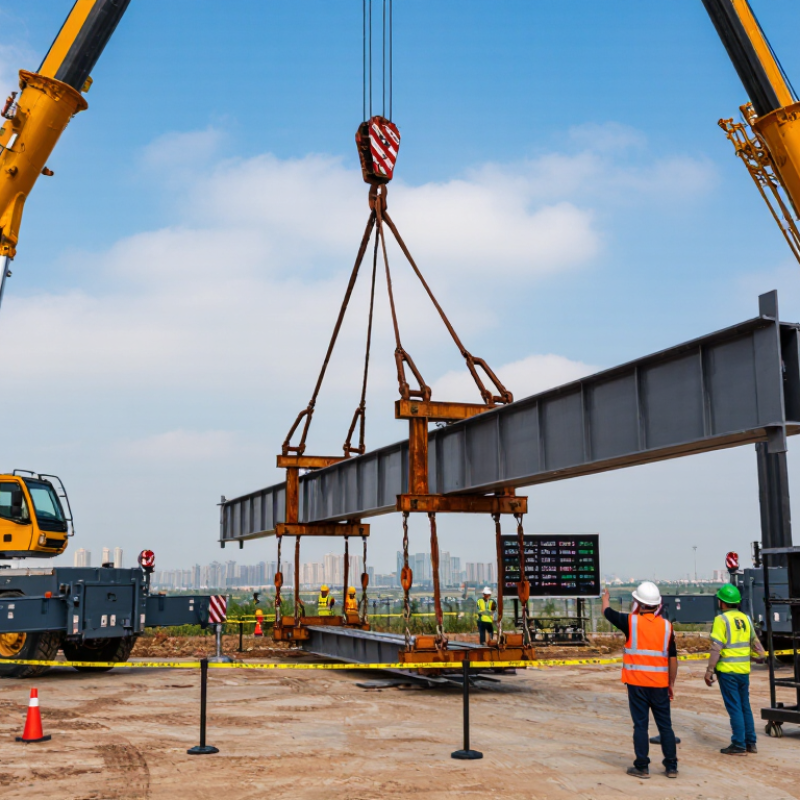
How to Ensure Operator Safety in Lifting Operations 2026?

Define Operator Safety Responsibilities and Competency Requirements

Operator safety begins with a clear assignment of responsibility, not a generic training certificate. Each operator should know who plans the lift, who controls the area, and who can stop work. Supervisors must verify the load weight, lifting path, ground condition, weather, and communication method before movement. These details matter. On a busy site, unclear ownership can leave a warning unnoticed beside a suspended load.

Competency should be demonstrated, recorded, and reviewed for the actual equipment and task. A new operator may understand controls but still misjudge blind spots, swing radius, or changing ground levels. Assessment should include a practical lift, pre-use inspection, signal recognition, emergency response, and safe shutdown. Training should follow equipment instructions and applicable site requirements. Use plain language. Ask the operator to explain the lift plan before work starts. That conversation often reveals gaps that written tests miss.

Responsibilities continue after qualification. Operators must inspect controls, hooks, slings, alarms, and attachment points, then report defects immediately. Supervisors should observe behavior without creating pressure to continue when conditions change. Refresher training is useful after an incident, long absence, equipment change, or repeated unsafe shortcut. Records should show dates, equipment types, assessment results, and corrective actions. In practice, procedures are not always followed perfectly. A missed radio check or rushed inspection can expose a weakness in the system. Treat that weakness as evidence for improvement, not as a reason to blame one person.

Assess Lifting Hazards, Equipment Conditions, and Worksite Risks

Safe lifting begins with a realistic hazard assessment, not a quick glance at the load. Identify its weight, centre of gravity, lifting points, and possible movement. Check overhead obstructions, ground strength, nearby traffic, and weather changes. A trained lift supervisor should confirm the plan and communication method. One missed detail can change a controlled lift into a dangerous event.

Tips: Inspect hooks, slings, shackles, brakes, controls, and warning devices before each shift. Look for cuts, distortion, corrosion, leaks, or unusual sounds. Verify rated capacity against the complete lifting arrangement, including angles and attachments. Keep people outside the exclusion zone. Use clear signals, and stop the lift when communication fails. Small delays are acceptable.

Worksite conditions deserve repeated attention. Soft soil may settle under an outrigger, while poor lighting can hide a damaged sling. Keep the travel path clear and position workers where falling or swinging loads cannot reach them. Experienced operators still make assumptions, especially during routine tasks. That is a weakness worth challenging. Record defects, review near misses, and adjust the method before the next lift.

How to Ensure Operator Safety in Lifting Operations 2026? – Assess Lifting Hazards, Equipment Conditions, and Worksite Risks

No. Safety Dimension Assessment Criteria Typical Risk Rating Required Control Measures Recommended Review Frequency
1 Operator Competence Current training, practical competence, task authorization, and understanding of the lifting plan. High if incomplete Assign only trained and authorized operators; verify competency before unfamiliar, complex, or non-routine lifts. Before assignment and periodically
2 Load Weight and Center of Gravity Verified load mass, dimensions, attachment points, center of gravity, and lifting accessories. High if unknown Confirm the load weight from reliable documentation or measurement; keep the load within the equipment’s rated capacity. Every lift
3 Rated Capacity and Load Chart Capacity for the planned radius, boom configuration, attachment, operating position, and ground conditions. Critical if exceeded Use the correct manufacturer load chart and include the weight of hooks, slings, spreader beams, and other attachments. Every lift configuration
4 Wire Ropes, Chains, and Slings Cuts, broken wires, kinks, crushed sections, stretched links, corrosion, heat damage, and illegible identification tags. High Complete a documented pre-use inspection; remove damaged or unidentifiable lifting accessories from service immediately. Before each shift and use
5 Hooks, Shackles, and Latches Hook deformation, throat opening, latch operation, shackle pin condition, and secure connection to the load. High Use compatible, rated components; keep hooks loaded in the bowl and prevent side loading unless specifically designed for it. Before each lift
6 Crane and Hoist Condition Brakes, limit switches, controls, emergency stop, hydraulic or electrical systems, guards, and abnormal noise. High Perform pre-use checks and scheduled inspections; isolate equipment with safety-critical defects until repaired and released. Before each shift and as scheduled
7 Ground Stability and Outriggers Ground bearing capacity, levelness, underground voids, slopes, drainage, outrigger support, and settlement. High Verify the surface can support the planned loads; use suitable mats or blocking and maintain the required equipment level. Before setup and after changes
8 Overhead and Underground Hazards Power lines, structures, pipework, temporary services, underground utilities, and restricted clearances. Critical Survey the lift path, establish exclusion zones, use a dedicated spotter where needed, and apply legally required electrical clearances. Before setup and when conditions change
9 Weather and Visibility Wind, lightning, rain, ice, extreme temperatures, dust, glare, and visibility of the load and signaler. Medium to High Monitor conditions continuously; follow the equipment’s wind and weather limits and suspend lifting when communication or control is compromised. Before and during each lift
10 Communication and Signaling One designated signaler, agreed hand signals or radio protocol, clear line of sight, and stop-work authority. Medium to High Conduct a pre-lift briefing; stop immediately if signals are unclear, communication fails, or an unauthorized person enters the lifting zone. Before each lift
11 Exclusion and Drop Zones Potential exposure to suspended loads, swing radius, falling objects, vehicle traffic, and unauthorized access. Critical Barricade and sign the controlled area; never allow personnel to stand under a suspended load or within an uncontrolled swing path. Before and during each lift
12 Lift Plan and Pre-Lift Briefing Lift sequence, load path, roles, hazards, control measures, emergency actions, and contingency arrangements. Medium to High Use a documented plan for complex or high-risk lifts and confirm that every participant understands their responsibilities. Before non-routine lifts
13 Load Control and Tag Lines Load rotation, pendulum movement, sharp edges, snagging points, trapped hands, and uncontrolled landing. Medium to High Use suitable tag lines and guide tools; keep hands and feet away from pinch points and maintain a controlled landing area. Every lift
14 Personal Protective Equipment Safety helmet, high-visibility clothing, protective footwear, gloves appropriate to the task, and eye protection. Medium Select PPE based on the risk assessment and ensure it is correctly fitted, maintained, and compatible with other equipment. Before work and periodically
15 Emergency Preparedness Emergency stop procedures, dropped-load response, rescue access, first aid, communication channels, and incident reporting. High Brief the emergency plan before work; keep access routes clear and report defects, near misses, and incidents for corrective action. Before work and after any change
Safety rule: Stop the lifting operation whenever the load, equipment, communication, weather, ground conditions, or exclusion zone no longer meets the approved lift plan or applicable legal requirements.

Apply Safe Lifting Procedures and Effective Load-Control Practices

How to Ensure Operator Safety in Lifting Operations 2026

Safe lifting begins before the equipment moves. A trained operator should inspect the crane, hooks, slings, brakes, and controls. Check the load weight and confirm the equipment’s rated capacity. Never rely on appearance alone. A strong-looking sling may contain hidden damage. The lifting plan should identify the center of gravity, travel path, ground condition, and nearby workers. Clear signals matter. Only one designated signaler should direct the operator during each lift.

Tips: Keep the load low during travel. Use tag lines when safe. Stand clear of suspended loads. Stop immediately when visibility is lost. Test the lift slightly above the ground before full movement. This pause can reveal imbalance, slipping, or unexpected equipment strain. Nobody should place hands beneath a raised load, even for a quick adjustment.

Effective load control requires steady movement and constant communication. Avoid sudden starts, sharp turns, and side pulling. Wind, uneven surfaces, and changing load shape can quickly reduce stability. Experienced supervisors should monitor conditions throughout the operation, not only during planning. A checklist helps, but it is not magic. Workers sometimes rush familiar tasks, and that is where mistakes grow. After an unusual lift or near miss, record what happened and revise the procedure. A short review may prevent the same weak point from returning.

Use Protective Equipment, Communication Systems, and Exclusion Zones

How to Ensure Operator Safety in Lifting Operations 2026?

Protective equipment is the operator’s last physical barrier. Wear a fitted helmet, high-visibility clothing, safety footwear, and task-appropriate gloves. Add eye and hearing protection when site conditions require them. Inspect every item before the lift, especially chin straps, boot soles, and damaged reflective material. A harness may be necessary when work involves an approved fall hazard. Equipment alone cannot correct poor planning. It only reduces exposure.

Clear communication prevents sudden movement and divided attention. Before lifting, the operator, signaler, and nearby workers should agree on hand signals and radio terms. Use one designated signaler whenever possible. Test the radio near the equipment, not inside a quiet office. The word “stop” must mean stop immediately. Keep messages short. If a signal is unclear, pause the load. I have seen teams continue because nobody wanted to delay the schedule. That decision can create a larger delay.

An exclusion zone must match the load path, swing radius, and possible drop area. Use visible barriers, signs, and a trained person to control entry points. Never rely on painted lines alone. Check the zone again after repositioning the lifting equipment. Weather, poor lighting, and changing ground conditions can alter the risk. One overlooked access route may undermine an otherwise careful setup. Workers should stay outside the zone unless their task is authorized and coordinated. Some sites still treat barriers as optional. That habit needs honest review.

Review Incidents, Update Safety Controls, and Verify Ongoing Compliance

Lifting safety improves when teams study real incidents, not only successful lifts. Review near misses, dropped loads, unstable ground, and unclear signals. Record the load weight, sling condition, weather, operator decisions, and nearby personnel. A useful investigation asks what made the error possible. It should not blame one worker too quickly. During one review, a team focused on a damaged sling but missed poor lighting around the loading zone. That gap changed the corrective action.

Update safety controls after every meaningful finding. Recheck lift plans, exclusion zones, rated equipment, hand signals, and emergency procedures. Controls must match actual work, including cramped spaces and changing ground conditions. Supervisors should observe setup before authorizing the lift. Operators need clear authority to stop work without pressure. Training records alone are weak evidence. Practical demonstrations, equipment inspections, and short interviews provide stronger proof. Requirements may be understood differently across shifts.

Tips: Walk the route before lifting. Photograph hazards when appropriate. Confirm load weight from reliable records. Use a visible spotter where blind areas exist. Remove damaged gear immediately. Verify inspection tags, but do not trust tags alone. Ask operators to explain the lift plan in their own words. Recheck controls after layout, weather, or load changes. Keep findings specific, dated, and assigned to named roles. A checklist can miss reality. Observe the work.

FAQS

What should be assessed before a lifting operation?

Check the load’s weight, centre of gravity, lifting points, and possible movement. Inspect overhead space, ground strength, traffic, and weather. A quick glance is not enough.

Which equipment parts need inspection before each shift?

Inspect hooks, slings, shackles, brakes, controls, and warning devices. Look for cuts, corrosion, distortion, leaks, or unusual sounds. Remove damaged gear immediately.

How can a team confirm that equipment capacity is suitable?

Compare rated capacity with the complete lifting arrangement. Include sling angles, attachments, and connection points. A tag alone is weak proof.

What should happen when communication fails during a lift?

Stop the lift immediately. Use clear, agreed signals and a visible spotter when blind areas exist. Small delays are safer than guessed instructions.

How can ground and weather conditions affect lifting safety?

Soft soil may settle beneath an outrigger. Rain, wind, poor lighting, or changing layouts can alter the risk. Recheck controls after every meaningful change.

How should workers be positioned around a suspended or moving load?

Keep people outside the exclusion zone. Clear the travel path and avoid areas exposed to falling or swinging loads. Position workers where escape remains possible.

What information should an incident or near-miss review examine?

Record load weight, sling condition, weather, lighting, signals, operator decisions, and nearby personnel. Ask what allowed the error. Blaming one worker too quickly may miss the real weakness.

How can supervisors verify that safety controls work in practice?

Observe the setup before authorization. Ask operators to explain the plan in their own words. Practical demonstrations and short interviews reveal more than training records.

When should a lifting plan be updated?

Update it after damaged equipment, unclear signals, unstable ground, layout changes, weather changes, or near misses. Assign findings to named roles with dates. Checklists can miss reality.

Conclusion

How to ensure operator safety in lifting operations requires a structured approach that combines clear responsibilities, verified competence, and careful planning. Every operator should understand the equipment, load limits, operating procedures, and emergency actions before beginning work. Supervisors should assess lifting hazards, inspect equipment conditions, and evaluate the worksite for unstable ground, overhead obstructions, weather concerns, visibility limits, and nearby personnel.

Safe lifting depends on controlled movements, balanced loads, reliable attachment methods, and constant attention to load stability. Operators and ground workers should use suitable protective equipment, clear communication systems, and well-defined exclusion zones to prevent unauthorized access. Lifting activities should be monitored throughout the task, with work stopped whenever conditions become unsafe. Afterward, incidents, near misses, equipment defects, and worker feedback should be reviewed to improve controls. Regular training, inspections, documentation, and compliance checks help ensure that safety measures remain effective and consistently applied.

Oliver

Oliver

Oliver is a seasoned marketing professional with a wealth of expertise in driving brand awareness and engagement. With a deep understanding of our company's product offerings, he consistently delivers high-quality content that enriches our professional blog. His insights not only shed light on......