Transporting heavy goods indoors presents unique challenges. Efficiency is key, but what is the best way to transport heavy goods indoors? Many factors contribute to this decision. The layout of the space, the type of goods, and available equipment all play a role.
Using the right tools can make this task easier. Hand trucks, pallet jacks, or even forklifts are common solutions. However, relying solely on machines may lack versatility. Sometimes manual labor is essential, especially in tight spaces. It is crucial to evaluate the environment and choose accordingly.
Consider safety as well. Heavy items can pose risks. Workers should be trained to handle them correctly. Ignoring best practices can lead to injuries. Reflecting on past experiences can help improve methods. It’s an ongoing process, where adaptation is necessary. Evaluating different strategies will lead to better outcomes over time.
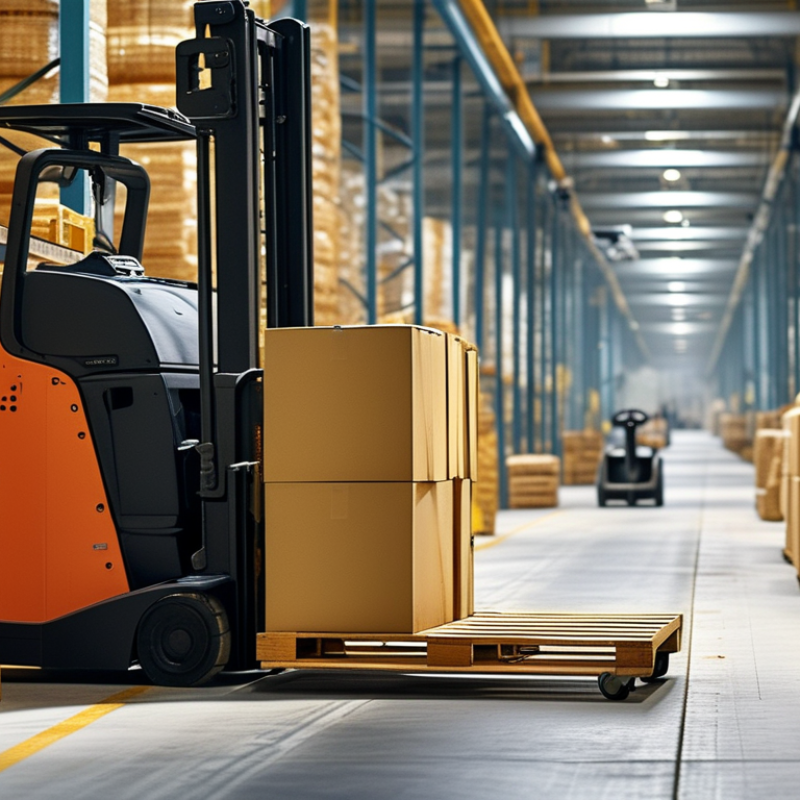
Transporting heavy goods indoors presents unique challenges. Limited space and narrow corridors often complicate movement. Sturdy furniture, bulky equipment, or even large pallets require careful handling. The risk of damage to walls or ceilings increases with each movement. Lifting and maneuvering in tight spaces can lead to accidents if not managed properly.
Personnel training is critical in addressing these challenges. Workers should understand proper lifting techniques. Using tools like dollies or hoists can greatly enhance safety and efficiency. However, not all team members may be familiar with these tools. This lack of knowledge can create further complications. Regular assessments of staff capabilities can help mitigate this issue.
Planning is essential for successful transport. Pre-emptively identifying obstacles allows for smoother transitions. Consideration of the route is crucial. Are there stairs or tight turns? Preparing in advance can save both time and money. Yet, even with solid plans, unexpected problems may arise. Flexibility and adaptability are key traits for a successful team in these scenarios.
Transporting heavy goods indoors poses unique challenges. Various methods like
manual lifting, forklifts, and
specialized trolleys each have pros and cons. According to a recent report
by the International Journal of Logistics Management, poorly planned transport methods
can lead to up to 30% in productivity loss. It’s
crucial to evaluate these options carefully.
Manual lifting may be cost-effective but risks injuries. Reports indicate that over
40% of workplace injuries are related to lifting heavy items, as noted
by the Occupational Safety and Health Administration (OSHA). Forklifts can help
minimize physical strain; however, they require proper training to operate safely.
Trolleys offer an affordable alternative but may not work on uneven surfaces.
Consider the layout of your space. Open areas may benefit from trolleys, while narrower
paths may necessitate forklifts. Additionally, the distance between locations affects
efficiency. A study by the Warehouse Education and Research Council found
that optimizing transport routes can increase efficiency by 20%.
The choice of method should align with specific needs, which makes it essential to assess
each situation thoughtfully.
Transporting heavy goods indoors can be challenging. Selecting the right equipment is crucial. Hand trucks and pallet jacks are commonly used for moving heavy items efficiently. According to a report by the
Occupational Safety and Health Administration (OSHA), improper lifting and transport can lead to serious injuries, accounting for over 30% of workplace incidents. Thus, the right choice of equipment can greatly reduce risks.
When considering equipment, one must assess the weight and dimensions of the goods. For example, electric forklifts can handle loads up to 5,000 pounds, making them suitable for warehouses. However, these vehicles require proper training. A study from the
National Safety Council (NSC) suggests that training operators can lower accident rates by up to 60%. Many businesses overlook this aspect, leading to potential safety hazards.
Additionally, the layout of the transport area plays a vital role. Narrow aisles may restrict the use of larger equipment. In such cases, smaller equipment like dollies or manual carts may be necessary. However, these options may cause fatigue over time. Regular evaluation of both equipment and workspace can help identify inefficiencies, ensuring smoother operations.
Transporting heavy goods indoors demands careful planning. Safety is paramount. Improper handling can lead to injuries. Workers should wear appropriate gear. Hard hats and gloves should be standard. Using dollies and straps can ease the process.
Training is essential. All staff must understand proper lifting techniques. Regular safety drills can reinforce this knowledge. Even with precautions, mistakes happen. Frequent evaluations of practices can identify risks.
Clear communication is vital during transport. Designate a signal person for larger loads. Ensure pathways are free from obstacles. This reduces tripping hazards. Regular maintenance of equipment is also important. Broken tools can compromise safety. Reflect on past transport incidents. These can provide valuable lessons for improvement.
| Transport Method | Load Capacity (kg) | Safety Protocols | Efficiency Rating (1-10) |
|---|---|---|---|
| Forklift | 2500 | Wear PPE, Horn Signal, Clear Pathway | 9 |
| Pallet Jack | 1500 | Inspect Equipment, Manual Handling Training | 7 |
| Hand Truck | 250 | Proper Lifting Techniques, Clear Communication | 6 |
| Conveyor Belt | 2000 | Regular Maintenance, Emergency Stop Training | 8 |
| Dollies | 500 | Use of Spotters, Slow Movement | 5 |
Transporting heavy goods indoors requires careful planning and strategy. Optimizing workflow and space utilization can significantly enhance efficiency. Understanding the layout of the area is essential. Assessing space can help identify the best paths and potential bottlenecks. This insight allows for better positioning of equipment and materials.
Tips: Consider creating designated pathways. Clear routes reduce congestion and improve movement. Identify areas where heavy goods are frequently transported and ensure they are easily accessible. This reduces wasted time and effort.
Utilizing equipment such as trolleys or pallet jacks can be helpful. However, training staff on safe operation is crucial. Improper use can lead to accidents or damage. Regular reviews of the transport process are necessary for continuous improvement. Reflect on challenges that arise during transport operations to refine methods.
Tips: Implement feedback loops. Encourage teams to share their experiences. Listening to frontline workers can lead to practical insights for improving workflows.
: Limited space and narrow corridors complicate movements. Risk of damaging walls or ceilings increases with each shift.
Proper training helps workers use lifting techniques and tools safely. Lack of knowledge can create further complications.
Planning helps identify obstacles and determine the best route. Flexibility is needed for unexpected problems that may arise.
Manual lifting is cost-effective but can lead to injuries. Over 40% of workplace injuries relate to lifting heavy items.
Forklifts reduce physical strain during transport but require proper training to operate safely and efficiently.
Optimizing routes can boost efficiency by 20%. Layout and distance significantly affect how goods are moved indoors.
Workers should wear appropriate gear and use tools like dollies and straps. Regular safety drills reinforce knowledge.
Designating a signal person and keeping pathways clear reduces risks. Clear communication helps manage larger loads effectively.
Reflecting on past incidents can help identify risks. Frequent evaluations are necessary to enhance safety practices.
Regular maintenance prevents broken tools that compromise safety. Ensuring equipment is in good condition is crucial for safe transport.
Transporting heavy goods indoors poses several challenges, including limited space and the need for safety. To determine what is the best way to transport heavy goods indoors, it's essential to evaluate various transportation methods and select the most suitable equipment. Options may include dollies, forklifts, and trolleys, depending on the weight and size of the items.
Additionally, implementing safety protocols is crucial to prevent accidents during the transport process. Workers should be trained on proper handling techniques and equipment usage. Optimizing workflow and space utilization can further enhance indoor transport operations, ensuring efficiency and safety. Ultimately, a combination of appropriate equipment, safety practices, and strategic planning will lead to the best outcomes in transporting heavy goods indoors.

Nauti Lift