Choosing the right lifting capacity for operations is crucial for efficiency and safety. When evaluating lifting needs, consider various factors. Different tasks demand different capacities. For instance, moving heavy machinery requires more capacity than lifting light materials.
Understanding how to select the right lifting capacity for operations involves analyzing load weights, equipment type, and frequency of use. Overestimating your needs can lead to unnecessary costs. Conversely, underestimating can result in dangerous situations. It's essential to assess your current and future needs carefully.
Many businesses make the mistake of relying on assumptions. Real data and expert advice are vital for making informed decisions. Consult with professionals who can offer insights based on experience. Reflect on past lifting tasks to determine what worked and what didn’t. This thoughtful approach ensures your lifting capacity aligns with operational needs effectively.
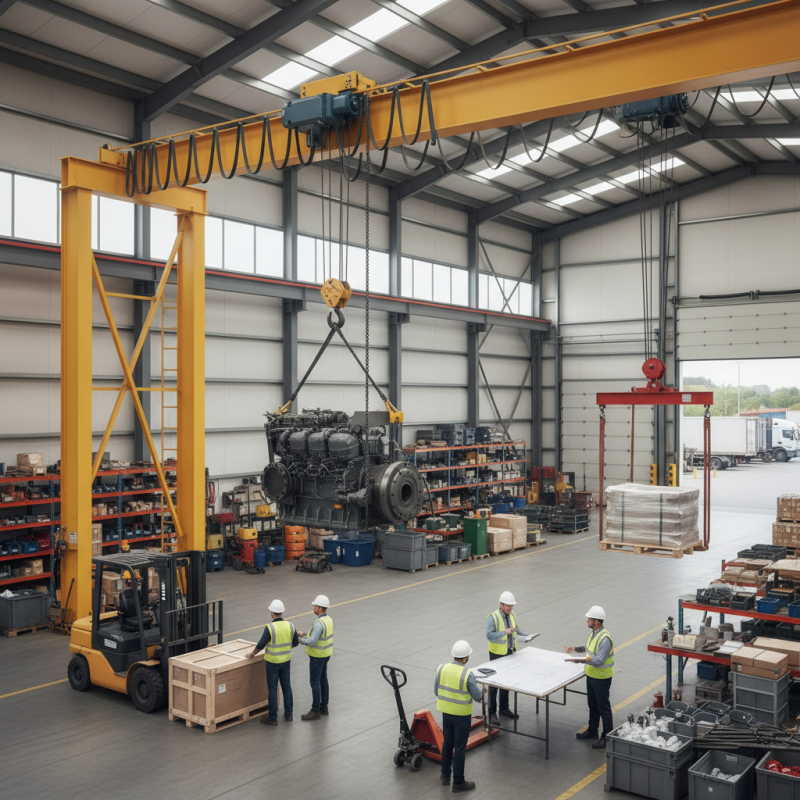
Lifting capacity is crucial in operational efficiency. It defines how much weight your equipment can handle safely. Understanding this helps prevent accidents and damage. Each operation has unique needs. A warehouse may require heavy-duty forklifts, while a construction site may need cranes.
Consider the weight of typical loads. Are you lifting pallets of goods or large machinery? Assess the frequency and duration of lifting tasks. Operations with frequent lifting may need higher capacity. It's also important to factor in the environment. Space constraints can limit equipment choice, affecting capacity decisions.
Safety standards play a role too. Misjudging lifting capacity risks injuries. Workers must be trained in safe weight-handling practices. Always consult experts to ensure the right fit for your operation. Regular inspections of equipment can also improve reliability. Reflect on past challenges to guide future decisions.
Understanding the basics of lifting capacity is crucial for selecting the right equipment. The following chart demonstrates various lifting capacities and their applications in different industries.
When determining the lifting capacity for your operations, several factors play a crucial role. The type of materials you handle is essential. For example, heavy machinery may require cranes with capacities over 10 tons, while lighter materials might necessitate only 2 to 5 tons. According to industry reports, approximately 30% of accidents in material handling stem from misjudging capacity. Operators should prioritize understanding loads fully.
Environmental conditions should also be assessed. Outdoor operations may demand higher capacities due to wind or uneven surfaces. Data suggests that nearly 25% of lifting equipment failures occur in challenging weather. It’s vital not only to ensure equipment can handle loads safely but also to consider additional stressors. Regular maintenance and operator training are often overlooked yet are critical in mitigating risks associated with improper capacity selection. An analysis of workplace conditions will lead to more precise capacity requirements and safer operations.
Choosing the right lifting capacity is not just about numbers. It requires an in-depth understanding of the loads you will handle. Different materials have unique properties that can affect lifting capacity. For instance, heavy machinery parts differ significantly from bulk pallets of goods. Each type of load may require a distinct lifting approach.
The impact of load types on capacity selection is critical. A large, bulky item may be stable but heavy. Conversely, a lightweight, uneven load can shift unexpectedly. Understanding how loads interact with lifting equipment is vital. Critical details such as weight distribution and center of gravity play a key role. If these aspects are overlooked, it could lead to unsafe operations and equipment failures.
Each operation has its unique challenges. Reflecting on past experiences can provide insights into capacity requirements. Consider how past lifting scenarios unfolded. Were there any unexpected challenges? Did your equipment perform as anticipated? An honest evaluation of such experiences can inform better decisions in future operations.
| Load Type | Average Weight (lbs) | Recommended Lifting Capacity (lbs) | Typical Applications |
|---|---|---|---|
| Pallets | 1500 | 3000 | Warehouse operations, Shipping |
| Heavy Machinery | 2000 | 6000 | Construction, Manufacturing |
| Containers | 3000 | 8000 | Transport, Logistics |
| Automobiles | 3500 | 9000 | Automotive repair, Dealerships |
| Furniture | 800 | 2000 | Retail displays, Moving services |
When calculating lifting capacity, safety margins are crucial. They ensure equipment and personnel can handle unexpected loads. These margins also account for wear and tear, which can impact performance. In many operations, a standard safety factor is typically 1.5 to 2.0. This means the system should support 1.5 to 2 times the expected load.
Understanding the specifics of your load is vital. Consider dynamic loads, which change during lifting. This can influence how much margin you need. For instance, lifting a heavy load that sways may require more capacity. Consulting with experts can provide insights into your particular situation.
Documentation is often overlooked but shouldn't be. Keeping accurate records of lifting operations helps in future calculations. Analyze past incidents to assess if your safety margins were enough. Reflecting on real-life experiences can lead to improvements in safety protocols. Make a habit of reviewing lifting capacity and safety margins regularly.
Choosing the right lifting capacity is crucial for efficient operations. Assessing your lifting needs begins by understanding the weight of the loads you frequently handle. Whether it's boxes, equipment, or bulk materials, knowing their weight helps in selecting appropriate equipment.
Evaluating equipment options must involve not just the maximum capacity but also the nature of the tasks. A crane that lifts 10 tons might not suit all situations. Stability and maneuverability are vital, especially in tight spaces. Failures often occur when operators push limits. Ensure that the chosen equipment matches the operational environment and safety standards.
Consider training as well. Operators must understand the equipment's limitations. Frequent adjustments to lifting goals can lead to miscalculations. Regularly review the actual loads against capacity. This reflection helps in adapting to changes over time. Keeping an open line of communication about experiences can improve overall operations.
: Lifting capacity refers to the maximum weight equipment can safely handle. Understanding it prevents accidents and damage.
Different materials have unique properties. Heavy machinery parts differ from bulk pallets. This affects the lifting approach needed.
Training ensures workers understand safe weight-handling practices. Misjudging capacity can cause injuries and accidents.
Consider the typical loads. Are you lifting boxes or machinery? Knowing the weight helps select the right equipment.
Reflecting on past challenges helps improve future decisions. Honest evaluations of previous operations inform better practices.
Regular inspections enhance reliability. They help ensure equipment performs as expected and meets safety standards.
Pushing limits often leads to failures. It's crucial to match equipment to specific operational environments and tasks.
Bulky items may be stable but heavy. Uneven loads can shift unexpectedly, potentially causing accidents if not managed well.
Selecting the appropriate lifting capacity for operations is crucial for ensuring efficiency and safety in material handling processes. Understanding the basics of lifting capacity involves evaluating the weight and type of loads you will be handling, as well as their impact on operational safety. Factors such as the environment, frequency of use, and specific operational requirements must all be considered when determining the necessary capacity.
Additionally, assessing load types can significantly influence capacity selection. It's important to determine safety margins in these calculations to mitigate risk while maximizing operational effectiveness. Evaluating various equipment options that align with your lifting capacity requirements will further ensure that you choose the right solutions tailored to your specific needs. This comprehensive approach helps in understanding how to select the right lifting capacity for operations effectively.

Nauti Lift