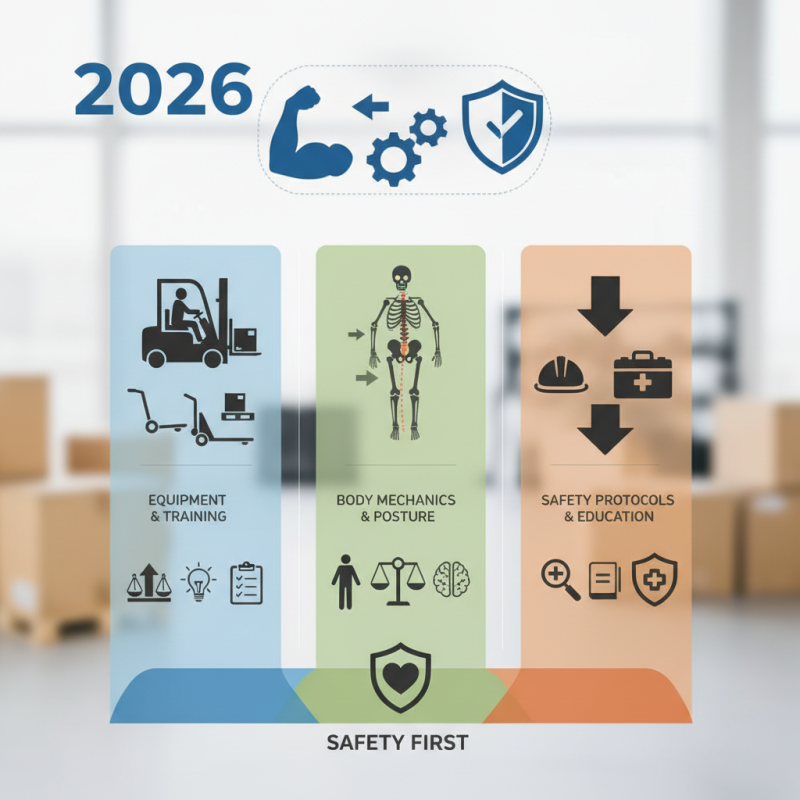
Handling heavy loads safely is crucial in various industries. What is the best way to handle heavy loads safely? This question is vital for both workers and employers. Proper techniques can prevent injuries and accidents. Simple methods exist that everyone can follow, yet many still overlook these guidelines.
For instance, using equipment like forklifts or pallet jacks can make the task easier. However, many workers underestimate their weight limits. Training and awareness are essential to ensure safety. Without these, even experienced workers can make mistakes. It's alarming how often safety protocols are ignored.
Additionally, understanding body mechanics is key. Maintaining a stable posture while lifting can reduce strain. Yet, improper techniques are often observed in the workplace. Regular assessments can highlight areas for improvement. Continuous education helps reinforce the importance of safe handling practices. Overall, the focus should always be on safety first.
When dealing with heavy loads, understanding weight limits is crucial. The National Institute for Occupational Safety and Health (NIOSH) recommends a maximum safe lifting weight of 35 pounds for awkward lifts. Exceeding this limit increases the risk of injury. Many workers still lift more than recommended, revealing a gap in safety practices.
Identifying heavy loads can differ by industry. In construction, a load above 50 pounds may necessitate machinery or additional personnel. In warehouses, it may be different. Reports show that nearly 20% of workers report back injuries linked to heavy lifting. Regular training on weight limits is often neglected. This oversight can have serious consequences.
Recognizing the risks associated with heavy loads involves more than numbers. It includes adapting workstations and using proper tools. Studies show that ergonomic solutions reduce injury rates by 30%. However, many workplaces still lack effective adaptation strategies. Are we doing enough to prioritize safety? Reflecting on our practices can lead to better outcomes.
When handling heavy loads, the right personal protective equipment (PPE) is crucial. Load handling can lead to serious injuries if proper safety measures are not taken. Key pieces of PPE include safety gloves, steel-toed boots, and back support belts. These items are essential in protecting workers from potential hazards. Gloves improve grip and reduce the risk of cuts or abrasions. Steel-toed boots protect against heavy items that may accidentally fall.
Workers must also consider visibility. High-visibility clothing can prevent accidents in busy environments. This gear ensures workers are easily seen, especially in low-light situations. Hard hats are also important. They provide protection from falling objects and reduce the risk of head injury.
However, relying solely on PPE is not enough. Training and awareness play significant roles in safe load handling. Workers often neglect proper lifting techniques. This neglect can lead to chronic injuries. Continuous education about load limits and ergonomic practices should be emphasized. Employers must create a culture of safety and encourage open communication regarding potential risks. PPE should complement a comprehensive safety strategy, not replace it.
When lifting heavy loads, body mechanics and posture play crucial roles in preventing injuries. Proper alignment and technique can make all the difference. Begin with your feet hip-width apart. This stance provides a stable base. Bend at your knees, not your waist. Keep the load close to your body. This minimizes strain on your back and shoulders.
Tips: Always engage your core muscles while lifting. This adds extra support and stability. Maintain a straight back, avoiding twisting motions. Twisting while lifting can lead to serious injuries. Remember to take breaks if you feel fatigued.
Practice makes perfect. If you aren’t accustomed to lifting heavy items, start with lighter loads. Gradually increase the weight as your strength and technique improve. Reflect on your form each time. Are you twisting? Are your knees locked? Awareness can foster better habits and safer lifting.
When it comes to the transportation of heavy loads, using the right tools and equipment is crucial. According to a recent industry report, around 30% of workplace injuries stem from improper lifting techniques. This highlights the importance of ergonomic tools designed to reduce strain on workers. For instance, pallet jacks and dollies can distribute weight evenly, making it easier to maneuver heavy items safely.
Employing mechanical lifts is another effective method to transport heavy loads. These devices can significantly reduce the physical effort required. Research shows that using such equipment can lower injury rates by up to 40%. However, reliance on machinery must be balanced with proper training. Incorrect use can lead to accidents. Workers should be aware of the equipment's limitations and maintenance needs.
Lastly, workplace design plays a role in safe load transport. Creating spacious pathways for equipment can prevent accidents. Yet, many facilities overlook this aspect, leading to unnecessary risks. Regular evaluations of both the tools and the environment are essential. This ensures that safety measures are in place and that workers remain vigilant.
Teamwork is essential for safe load handling. Using collective strength minimizes risks and enhances efficiency. According to the Occupational Safety and Health Administration (OSHA), workplace injuries from manual handling cost companies billions annually. Effective teamwork can significantly reduce these numbers.
When working in teams, clear communication is critical. Each member should know their role during load movements. Engaging in regular training sessions helps reinforce this understanding. A study by the National Institute for Occupational Safety and Health (NIOSH) indicates that training can lead to a 30% decrease in injuries. Each team member must also remain alert to avoid accidents.
However, not all teams communicate effectively. Misunderstandings can lead to unsafe practices. For instance, one member might underestimate the weight of a load, causing strain or injury. Regular reflections on team performance are crucial. Discuss what went well and identify areas needing improvement. It's vital to create an environment where feedback is welcomed and acted upon. This practice not only builds trust but also enhances the team's overall performance.
: The recommended maximum safe lifting weight is 35 pounds for awkward lifts. Exceeding this increases injury risks.
Load thresholds differ; construction often requires machinery for loads over 50 pounds, while warehouse limits may differ.
Approximately 20% of workers report back injuries linked to heavy lifting. Regular training on weight limits is often overlooked.
Ergonomic solutions can reduce injury rates by 30%. Yet, many workplaces still lack effective adaptation strategies.
Maintain a stable stance, bend knees, and keep the load close. Engaging core muscles is also essential for support.
Teamwork minimizes risks and enhances efficiency. Effective teamwork can significantly reduce manual handling injuries.
Clear communication is vital in teams. Misunderstandings can lead to unsafe practices, risking injuries during load movements.
Regular reflections and feedback discussions help teams identify strengths and areas for improvement. This boosts overall performance.
If you feel fatigued, take breaks. Fatigue increases the risk of injury, so listen to your body’s signals.
Reflect on your form regularly. Check for twisting or locked knees to foster better lifting habits and prevent injuries.
In addressing the question, "what is the best way to handle heavy loads safely," it is essential to first identify heavy loads by understanding their weight limits and associated risks. This foundational knowledge helps in assessing when and how to handle such items safely. Essential personal protective equipment (PPE) plays a crucial role in safeguarding individuals during load handling, ensuring that they are well-equipped to manage potential hazards.
Proper lifting techniques, focusing on body mechanics and posture, reduce the risk of injuries significantly. Additionally, utilizing tools and equipment can vastly improve the safety and efficiency of transporting heavy loads. Finally, fostering teamwork strategies enhances communication and coordination among individuals, ensuring that heavy loads are handled effectively and safely, minimizing the potential for accidents in the workplace. Overall, a combination of knowledge, proper technique, the right tools, and teamwork underscores the best practices for safely managing heavy loads.

Nauti Lift