How to Benefit from Electric Powered Equipment?

Time:2026-09-28 Author:Charlotte
0%

Electric-powered equipment is moving from workshops and warehouses into construction sites, farms, and municipal fleets. The reasons are practical: quieter operation, no exhaust at the point of use, and fewer routine engine-related service tasks. As International Energy Agency Executive Director Fatih Birol put it, “The Age of Electricity is coming.” That shift makes one question increasingly relevant: what are the benefits of electric powered equipment?

For operators, the advantages can be tangible. An electric forklift can move pallets through an indoor aisle without producing tailpipe emissions. A battery-powered mower may let a grounds crew work near homes with less noise. Electric motors can also deliver smooth, responsive power, while fewer moving parts may simplify some maintenance routines. These benefits depend on the machine, workload, electricity costs, and charging access. They are not automatic.

Planning matters. A site needs suitable chargers, reliable power, and a schedule that allows equipment to recharge. Battery weight, runtime, and performance in cold conditions deserve attention, too. A busy crew may find charging inconvenient if equipment runs across multiple shifts. That matters.

This guide examines operating costs, productivity, emissions at the point of use, maintenance, and practical limitations. It also considers where electric equipment fits—and where it may not. Buyers sometimes focus on purchase price alone; that is an incomplete comparison. A careful assessment should include energy, service, downtime, and the workday itself. Real-world results can be messier than product claims suggest.
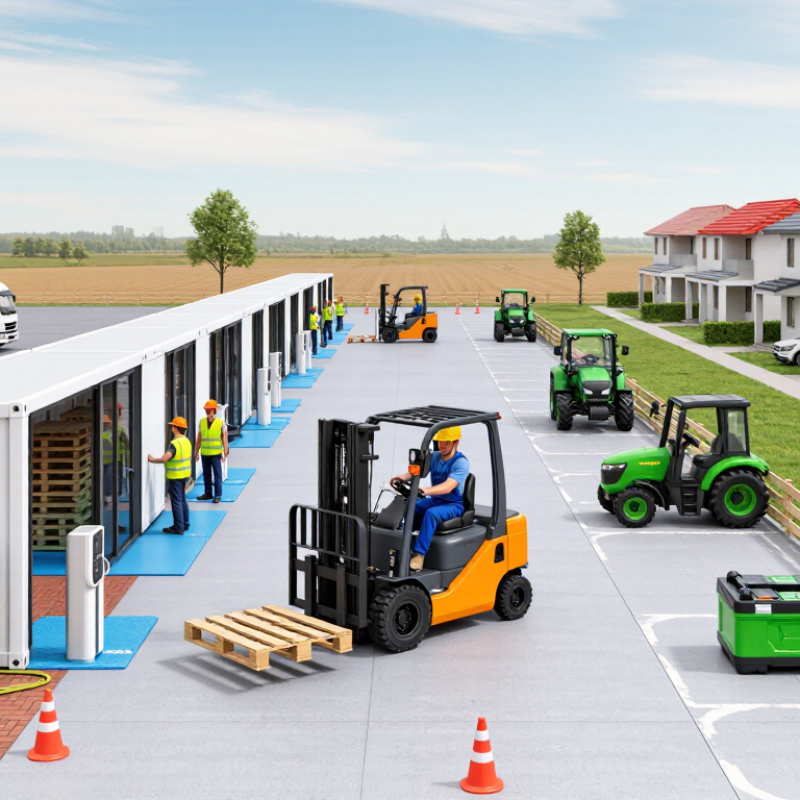
How to Benefit from Electric Powered Equipment?

Understanding the Types and Uses of Electric-Powered Equipment

Electric-powered equipment includes cordless tools, corded machinery, industrial motors, pumps, and battery-powered material-handling machines. Each fits a different task. A cordless drill is practical on a roof where trailing cables create trip hazards. A corded saw can suit a fixed workshop with steady access to power. In warehouses, electric forklifts move pallets without exhaust at the point of use. Fit matters.

The International Energy Agency’s 2011 report, Energy-Efficiency Policy Opportunities for Electric Motor-Driven Systems, estimated that motor-driven systems used about 46% of global electricity. That figure puts pumps, fans, compressors, and conveyors in perspective: selecting efficient motors and matching their size to actual loads can matter as much as choosing a tool. Oversized equipment may waste energy, especially when it runs below capacity for long periods.

Battery choice also deserves scrutiny. The IEA’s Global EV Outlook 2024 reported that electric-car battery demand exceeded 750 GWh in 2023, rising about 40% from 2022. That is road-vehicle data, not proof of equipment adoption, but it reflects rapid battery-sector growth. For equipment buyers, check runtime under real loads, charging time, replacement costs, and service access. A quiet machine can still be a poor match. Cold mornings may shorten battery runtime, and that detail is easy to overlook.

Choosing Equipment That Fits the Task and Work Environment

Choosing electric-powered equipment begins with the work, not the catalogue. A compact drill may suit overhead installation, while repeated cutting through dense material calls for higher sustained output. Check duty cycle, runtime, tool weight, and the power available at the worksite. A machine’s peak rating can look impressive but may not reflect a full shift of use. Specs do not tell the whole story.

The U.S. Department of Energy’s 2021 Industrial and Commercial Motor System Market Assessment Report found that motor-driven systems use about

54% of electricity consumed in U.S. manufacturing.

That makes matching equipment capacity to the actual load important; oversized units can waste energy, while undersized ones may struggle. Work conditions matter, too. For indoor jobs, check noise, ventilation needs, and whether cables or batteries suit the space. NIOSH recommends limiting occupational noise exposure to 85 dBA over an eight-hour workday. A measured site reading is more useful than guessing from a label. I would still leave room for trial: real workloads rarely match a neat product specification.

Operating Equipment Efficiently to Improve Productivity

How to Benefit from Electric Powered Equipment?
Operating Equipment Efficiently to Improve Productivity

Electric-powered equipment boosts productivity only when its output matches the task. An oversized motor can waste power, while a poorly maintained drive may slow a conveyor or pump. The U.S. Department of Energy’s 2014 sourcebook, Improving Motor and Drive System Performance, reports that motor systems use about 54% of electricity in U.S. manufacturing. Efficient operation is a production issue, not just an energy issue. Small details matter. Match motor capacity to the load, use variable-speed control when demand changes, and switch off idle equipment between batches. Logs of speed, load, temperature, and stoppages can reveal patterns a quick walk-through misses.

Schedule maintenance around equipment condition. Listen for bearing noise, clear blocked ventilation paths, and inspect connections during safe shutdowns. The International Energy Agency’s 2011 report, Energy-Efficiency Policy Opportunities for Electric Motor-Driven Systems, estimates that motor-driven systems consume roughly 45% of global electricity. It identifies meaningful savings through efficient motors and system optimization. Lower energy use may also reduce heat and interruptions, but it does not automatically mean higher output. Track production per operating hour alongside electricity use. Dashboards can create more data than teams actually use. Test one adjustment at a time, and be willing to revise it; results vary with production schedules, materials, and operator habits.

Maintaining Equipment for Reliable, Long-Term Performance

Electric-powered equipment delivers steady output only when its basic care is consistent. Before each shift, check the housing, switches, plugs, and cables for cracks, looseness, or heat marks. Look for dust packed around cooling vents. Small blockages can raise operating temperatures and shorten component life. Keep the inspection simple. A brief check can catch wear before it interrupts work.

Disconnect equipment from its power source before cleaning or changing accessories. For battery-powered units, follow the operating manual’s charging and storage guidance; avoid leaving battery packs in hot vehicles. Wipe surfaces with a dry or slightly damp cloth, keeping moisture away from electrical openings. Replace damaged cords or accessories promptly. Never improvise a repair. If unusual noise, vibration, odor, or excess heat appears, stop using the equipment and arrange a qualified inspection.

Maintenance also means matching the machine to the task. Repeated overloading can strain motors, connectors, and batteries, even when equipment still runs. Record service dates, operating hours, and recurring faults in a simple log. It helps reveal patterns that memory misses. A checklist is useful, but it is not perfect; people can tick boxes without really looking. Take time to inspect worn parts, and follow the manual for lubrication, adjustments, and service intervals.

Following Safety Practices to Reduce Risks and Downtime

How to Benefit from Electric Powered Equipment?
Following Safety Practices to Reduce Risks and Downtime

Electric-powered equipment can improve speed and consistency, but its benefits depend on safe operation. OSHA estimates that effective lockout/tagout practices prevent 120 fatalities and 50,000 injuries each year. Before servicing a machine, isolate its energy source and verify that it cannot restart. Check cords, plugs, guards, and battery housings at the start of each shift. A frayed lead near a wet floor is easy to overlook. It should not be.

Tips: Follow the equipment’s instructions, and let trained workers handle repairs. Keep walkways clear of charging cables. Remove damaged tools from service, label them, and report the fault. Never rely on a switch alone when maintenance requires isolation. Small habits matter.

Good procedures also protect uptime: unexpected failures can interrupt work and delay a whole crew. Keep inspection and repair records, and investigate repeated faults instead of repeatedly resetting the machine. Still, checklists are not magic; under pressure, people skip steps. That is a reason to make safe steps practical, not optional. OSHA’s Control of Hazardous Energy guidance offers a useful basis for workplace lockout/tagout procedures.

FAQS

What types of electric-powered equipment are common?

Common types include cordless tools, corded machines, motors, pumps, and battery-powered warehouse vehicles.

How should I choose between cordless and corded equipment?

Choose cordless tools where cables create hazards, such as on a roof. Corded equipment can suit a fixed workshop. Fit matters.

Why does motor size matter?

An oversized motor may waste energy when it runs below capacity. Match its size to the actual workload.

What should I check before buying battery-powered equipment?

Check runtime under real loads, charging time, replacement costs, and service access. Cold mornings can shorten runtime.

How can operators improve equipment efficiency?

Match motor capacity to demand, use variable-speed control when useful, and switch off idle equipment between batches.

What maintenance checks help prevent interruptions?

Check cables, plugs, switches, and cooling vents before each shift. Watch for cracks, loose parts, dust, or heat marks.

What should I do if equipment makes unusual sounds or smells?

Stop using it if you notice unusual noise, vibration, odor, or excess heat. Arrange a qualified inspection.

Are maintenance checklists enough to ensure reliable equipment?

They help, but they are not perfect. People can tick boxes without really looking. Inspect worn parts carefully.

Conclusion

Electric-powered equipment can make many tasks faster, more consistent, and less physically demanding when it is chosen and used appropriately. Understanding the different types of equipment and their intended uses helps workers select tools that match the task, available power, workspace, and operating conditions. Considering these factors before use can improve productivity while avoiding unnecessary expense or equipment that is unsuitable for the environment.

To gain the most value, operators should use equipment efficiently, follow the manufacturer’s instructions, and plan work to reduce wasted time and energy. Regular inspection, cleaning, and maintenance help keep equipment dependable and extend its useful life. Safe operating practices, including proper training and attention to hazards, can reduce injuries, breakdowns, and delays. Together, these steps explain what are the benefits of electric powered equipment: improved efficiency, reliable performance, and safer, more productive work.

Charlotte

Charlotte

Charlotte is a seasoned marketing professional with a deep understanding of the company's portfolio and a passion for elevating its presence in the market. With a keen eye for detail and a commitment to excellence, she ensures that our professional blog is regularly updated with insightful articles......