7 Tips What Is the Role of Automation in Warehouses?

Time:2026-09-08 Author:Isabella
0%

As warehouses handle faster orders, tighter margins, and rising customer expectations, automation has become a practical operational choice. Yet many managers still ask, “what is the role of automation in warehouses?” It is not simply about replacing workers with machines. Automation can guide inventory, move cartons, reduce picking errors, and improve workplace consistency. A conveyor carrying labeled boxes shows its value clearly when every package reaches the correct station without unnecessary travel. Small gains matter.

Reliable results begin with a realistic assessment. In my experience, warehouses often struggle because they automate a weak process. A poorly organized picking route will not become efficient through expensive software alone. Teams should review order patterns, product sizes, labor skills, maintenance needs, and peak-season pressure before investing. Data helps, but clean data matters more. Even experienced operators can miss this.

People remain essential. Workers monitor exceptions, handle unusual products, maintain equipment, and protect quality standards. Strong systems also include clear training, emergency procedures, cybersecurity controls, and regular performance checks. Manufacturer guidance and applicable safety requirements should shape every implementation. Automation can reduce repetitive strain, but it can also create new risks when alarms, sensors, or access controls are ignored. This guide presents seven practical tips for building a safer, more adaptable warehouse automation strategy. Some recommendations may require adjustment. Conditions vary. The best solution is rarely the most impressive machine; it is the one employees can use confidently and managers can measure honestly.
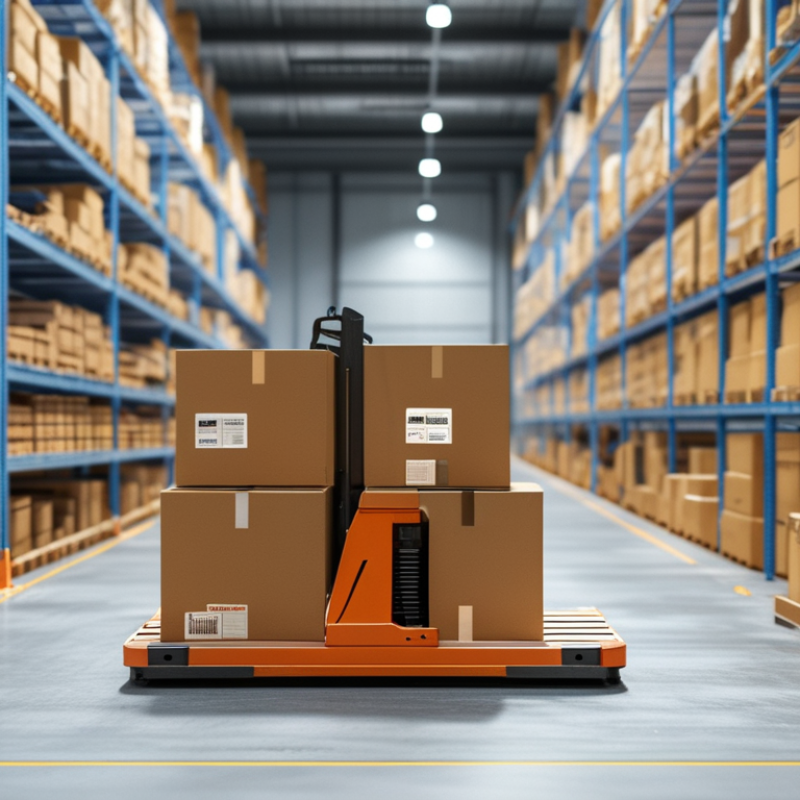
7 Tips What Is the Role of Automation in Warehouses?

What Warehouse Automation Means and How It Works

Warehouse automation means using software, sensors, machines, and controlled workflows to move, store, count, and retrieve goods with less manual handling. It is not simply installing robots. A warehouse management system sends an order to a control system, which directs conveyors, storage equipment, scanners, or mobile units. Sensors confirm location and movement. Human workers still handle exceptions, inspections, and judgment-heavy tasks.

Seven practical tips make the process safer and more useful: map unnecessary travel, clean inventory data, automate repetitive tasks, connect equipment with warehouse software, test one workflow first, measure accuracy and cycle time, and train workers before expanding. MHI’s 2024 Annual Industry Report found that 55% of surveyed supply-chain professionals used inventory and network optimization technologies. The report also showed strong interest in robotics, sensors, and artificial intelligence. Automation is moving into ordinary operations.

Start small. A pilot near packing stations can reveal congestion, scanner errors, and weak data connections. Track order accuracy, picking time, equipment uptime, and energy use. Do not measure speed alone. A faster process can create more returns if item identification is poor. Deloitte’s 2023 supply-chain research also emphasizes digital visibility and workforce capability as major transformation requirements. That point is easy to underestimate. In real facilities, dusty labels, seasonal peaks, and poorly trained staff can defeat elegant designs. Leave room for manual recovery, regular maintenance, and honest review.

Why Warehouses Adopt Automated Systems

Why Warehouses Adopt Automated Systems

Warehouses adopt automation because daily variability has become expensive. Orders arrive in waves, product sizes change, and labor availability remains uncertain. MHI’s 2023 Annual Industry Report found that 74% of supply-chain leaders expected to adopt robotics and automation within five years. The pressure is real. Automated conveyors, mobile robots, and storage systems can move cartons during night shifts. They also reduce walking, repetitive lifting, and avoidable picking errors. Faster replenishment supports tighter delivery windows and steadier inventory records. Safety improves when machines handle heavy or awkward loads.

The business case is not only speed. The International Federation of Robotics’ World Robotics 2023 report recorded 86,000 transportation and logistics robots sold in 2022, a 44% increase. Warehouses need flexible capacity for promotions, seasonal peaks, and rising SKU counts. Software can connect scans, locations, and order status in near real time. Managers gain clearer evidence for staffing and slotting decisions. Automation is not magic. A poorly labeled carton can stop an automated lane quickly. Integration costs, maintenance skills, and weak data can erase expected savings. Some facilities automate too much, too soon. A practical design starts with one bottleneck, measures error rates, then expands carefully. Human oversight remains necessary for exceptions, damaged goods, and changing customer requirements. The best systems support judgment rather than pretending every warehouse problem is predictable.

How Automation Improves Storage, Picking, and Order Fulfillment

Automation changes how warehouses store goods, select items, and complete orders. In storage areas, automated systems track product locations in real time. They can place fast-moving products closer to packing stations. This reduces walking distance and makes space easier to manage. Better visibility also helps teams identify empty shelves, misplaced cartons, and aging inventory.

Picking becomes more consistent when software directs workers to specific locations. Sensors, conveyors, and robotic equipment can move totes between storage and packing zones. Shorter travel paths reduce fatigue during busy shifts. Fewer manual touches can also lower the risk of picking the wrong item. Still, automation needs accurate product data. Poor labels create fast mistakes.

Order fulfillment benefits from smoother handoffs. Automated checks can confirm quantities, scan barcodes, and route parcels to the correct dispatch area. Workers then spend more time handling exceptions and damaged packaging. This is where practical judgment remains essential. Automation is not magic. A rushed installation may increase delays instead of reducing them. Warehouses should test one process, measure error rates, and adjust the workflow before expanding. Small gaps matter. A blocked conveyor, unclear screen, or missing backup procedure can stop an entire order line. Teams also need regular training, because even reliable equipment requires human oversight.

7 Tips: What Is the Role of Automation in Warehouses? — How Automation Improves Storage, Picking, and Order Fulfillment
Tip Warehouse Area Automation Method Primary Data Dimension Typical Operational Effect Key Implementation Consideration
1 Storage Density Automated storage and retrieval systems, vertical storage, and high-density shelving Usable storage space Can reduce the floor area required for the same inventory volume by approximately 30%–50%, depending on building height, aisle width, product mix, and safety clearances. Measure cubic utilization rather than floor-space utilization alone.
2 Inventory Accuracy Barcode or radio-frequency identification scanning integrated with a warehouse management system Inventory record accuracy Well-controlled scanning processes commonly target accuracy levels of 98%–99.9%, compared with higher error exposure in entirely manual processes. Accuracy depends on scan discipline, master-data quality, cycle counting, and exception handling.
3 Picking Productivity Pick-to-light, voice-directed picking, goods-to-person systems, and autonomous mobile robots Order lines picked per labor hour Goods-to-person and guided-picking systems can often increase productivity by approximately 1.5–3 times over comparable manual walking processes. Actual gains vary with order profile, travel distance, replenishment speed, and workstation design.
4 Travel Reduction Conveyorized movement, mobile robots, and goods-to-person workstations Picker walking distance In suitable batch or discrete-order operations, automation can reduce picker travel by approximately 50%–80% by bringing inventory closer to the operator. Use time-and-motion studies to confirm that travel is the main constraint before automating.
5 Order Fulfillment Speed Automated sortation, put walls, conveyors, and wave or waveless order orchestration Order cycle time Automated routing and sortation can shorten internal processing time by approximately 20%–40% when bottlenecks occur between picking, packing, and shipping. The result depends on carrier cut-off times, packing capacity, replenishment, and system integration.
6 Labor and Ergonomics Lift assistance, robotic pallet movement, automated palletizing, and ergonomic workstations Manual handling exposure Automation can reduce repetitive lifting, long-distance pushing, and frequent bending, helping lower ergonomic risk and reduce dependence on physically demanding tasks. Automation should remove high-risk motions without creating new collision, pinch-point, or workstation risks.
7 Service Reliability Real-time warehouse execution software, sensors, exception dashboards, and predictive maintenance On-time and complete order rate Real-time visibility enables faster exception response and supports service targets commonly set above 95% for on-time, complete fulfillment. Track downtime, backlog age, order accuracy, late-order causes, and recovery time—not only throughput.
Planning note: The percentages are practical industry benchmark ranges for initial warehouse evaluation, not guaranteed results. Actual performance depends on SKU dimensions, demand variability, order profiles, layout, labor practices, integration quality, maintenance, and safety requirements.

Which Technologies Power Modern Warehouse Automation

7 Tips: What Is the Role of Automation in Warehouses?

Modern warehouse automation connects physical equipment with intelligent software. A warehouse management system directs orders, inventory, and replenishment tasks. Sensors then track movement, temperature, weight, and equipment status. This creates a clearer view of daily operations. Sometimes, however, the data arrives late or contains errors. Staff must review unusual results instead of trusting every screen.

Automated storage and retrieval systems use cranes, lifts, and dense shelving. Conveyors move cartons between receiving, picking, packing, and shipping areas. Autonomous mobile robots can carry shelves or completed orders across the floor. Machine vision checks labels, dimensions, and package positions. Radio-frequency identification can improve item tracking without constant manual scanning. These technologies reduce walking time and support more consistent work.

Artificial intelligence can forecast demand and adjust task priorities. Internet-connected devices help maintenance teams identify heat, vibration, or repeated stoppages. Safety systems also use barriers, scanners, alarms, and controlled access zones. The best results usually come from combining automation with trained employees. Automation is not always elegant. A poorly planned layout may create bottlenecks, noise, or difficult repairs. Pilot testing, clear performance measures, and regular worker feedback reveal problems early. Human judgment remains essential when products, orders, or operating conditions change unexpectedly.

What Challenges and Workforce Changes Automation Creates

Automation is reshaping warehouse work, but it does not remove human responsibility. The International Federation of Robotics reported 541,302 industrial robots installed worldwide in 2023. Warehouses increasingly use similar systems for transport, sorting, and repetitive lifting.

Tip 1: Map tasks before buying equipment. Tip 2: Automate strain, not judgment. A worker may move less, yet monitor more screens and resolve exceptions under pressure.

The workforce challenge is skill change. The World Economic Forum’s Future of Jobs Report 2023 estimates that 44% of workers’ skills may be disrupted by 2027. It also projects 69 million new roles and 83 million displaced roles globally. These figures are broad, not warehouse-specific, but they signal real pressure.

Tip 3: Fund paid training. Tip 4: Create technician pathways. Tip 5: Involve experienced pickers in system testing. Their practical knowledge often exposes failures that dashboards miss. Training cannot be a one-day video.

Tip 6: Measure fatigue, safety, and job quality alongside output. Tip 7: Explain monitoring rules clearly. Faster conveyors can increase stress if staffing and break design remain unchanged. Human oversight still matters when inventory data is incomplete or equipment behaves unexpectedly. A 2024 industry report from the Material Handling Institute found that many supply-chain organizations are increasing investment in robotics and automation, but adoption remains uneven. That gap deserves attention. Automation can raise productivity, yet poorly managed transitions may weaken trust, skills, and retention. Warehouses need experiments with clear stop rules, not blind confidence.

FAQS

: How does automation improve warehouse storage?

: Automated systems track item locations in real time. Fast-moving products can move closer to packing stations. This shortens walking routes and uses shelf space better. Empty shelves and aging inventory become easier to notice.

How does automation make picking more accurate?

Warehouse software directs workers to specific storage locations. Sensors and conveyors move containers between work areas. Fewer manual touches can reduce wrong-item errors. Poor labels still create fast mistakes.

Can automation reduce worker fatigue?

Yes, shorter travel paths reduce walking during busy shifts. Mobile robots can carry shelves or completed orders across the floor. Workers may handle more tasks with less physical strain. The benefit depends on sensible workflow design.

How does automation support order fulfillment?

Automated checks can confirm quantities and scan package codes. Routing systems send parcels toward the correct dispatch area. Smoother handoffs reduce delays between picking, packing, and shipping. A blocked conveyor can stop everything.

Which technologies support warehouse automation?

Common tools include storage machines, conveyors, mobile robots, and sensors. Machine vision checks labels, sizes, and package positions. Item-tracking systems reduce constant manual scanning. Connected devices can reveal heat, vibration, or repeated stoppages.

Does automation remove the need for warehouse employees?

No, trained employees remain essential. People handle damaged packaging, unusual orders, and unexpected changes. They also review suspicious data and supervise equipment. Automation is not magic.

What problems can poorly planned automation cause?

A rushed installation may increase delays instead of reducing them. Poor layouts can create bottlenecks, noise, and difficult repairs. Unclear screens and missing backup procedures can stop an order line. Small gaps matter.

How should a warehouse introduce automation safely?

Test one process before expanding across the facility. Measure error rates, delays, stoppages, and worker feedback. Train employees regularly and adjust weak workflows. A pilot may reveal problems earlier. That assumption is worth questioning.

Conclusion

Warehouse automation refers to the use of equipment, software, and connected systems to move, store, track, and manage goods with less manual effort. When considering what is the role of automation in warehouses, its main purpose is to improve speed, accuracy, safety, and operational consistency. Automated solutions can support receiving, inventory storage, item retrieval, picking, packing, sorting, and order fulfillment, while data systems help coordinate these activities and provide real-time visibility into stock and workflow performance.

Warehouses adopt automation to handle rising order volumes, reduce repetitive work, use space more efficiently, and meet customer expectations for faster and more accurate delivery. Technologies such as mobile robots, conveyor systems, automated storage equipment, sensors, scanners, and warehouse management software can work together to streamline operations. However, automation also creates challenges, including high investment costs, system maintenance, cybersecurity concerns, and the need to redesign processes. Employees may perform fewer routine tasks but take on more responsibilities involving supervision, technical support, analysis, and equipment management, making training and workforce development essential.

Isabella

Isabella

Isabella is a dedicated marketing professional with a sharp focus on driving brand growth and engagement through strategic content creation. With an extensive background in digital marketing, she combines her passion for storytelling with her keen understanding of industry trends to deliver......